
Last updated November 25, 2026
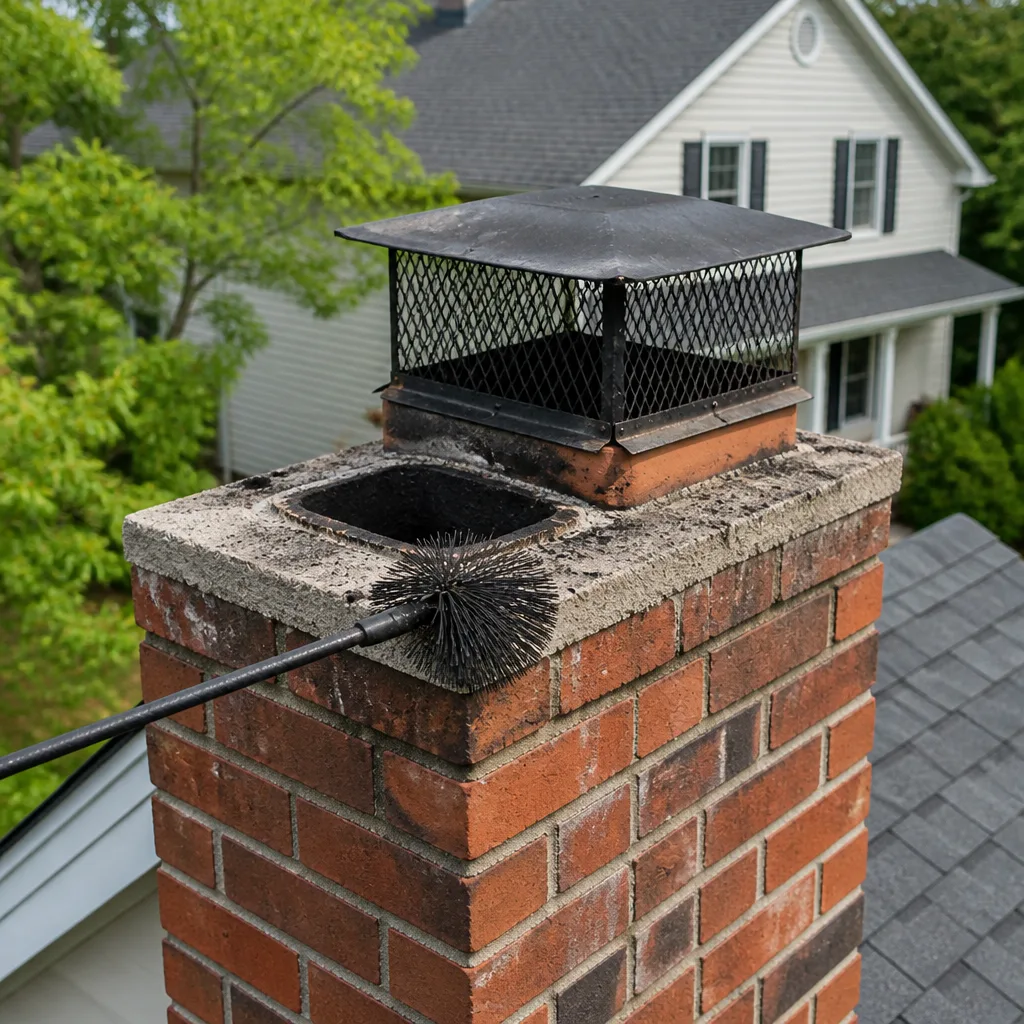 Sweep & inspection
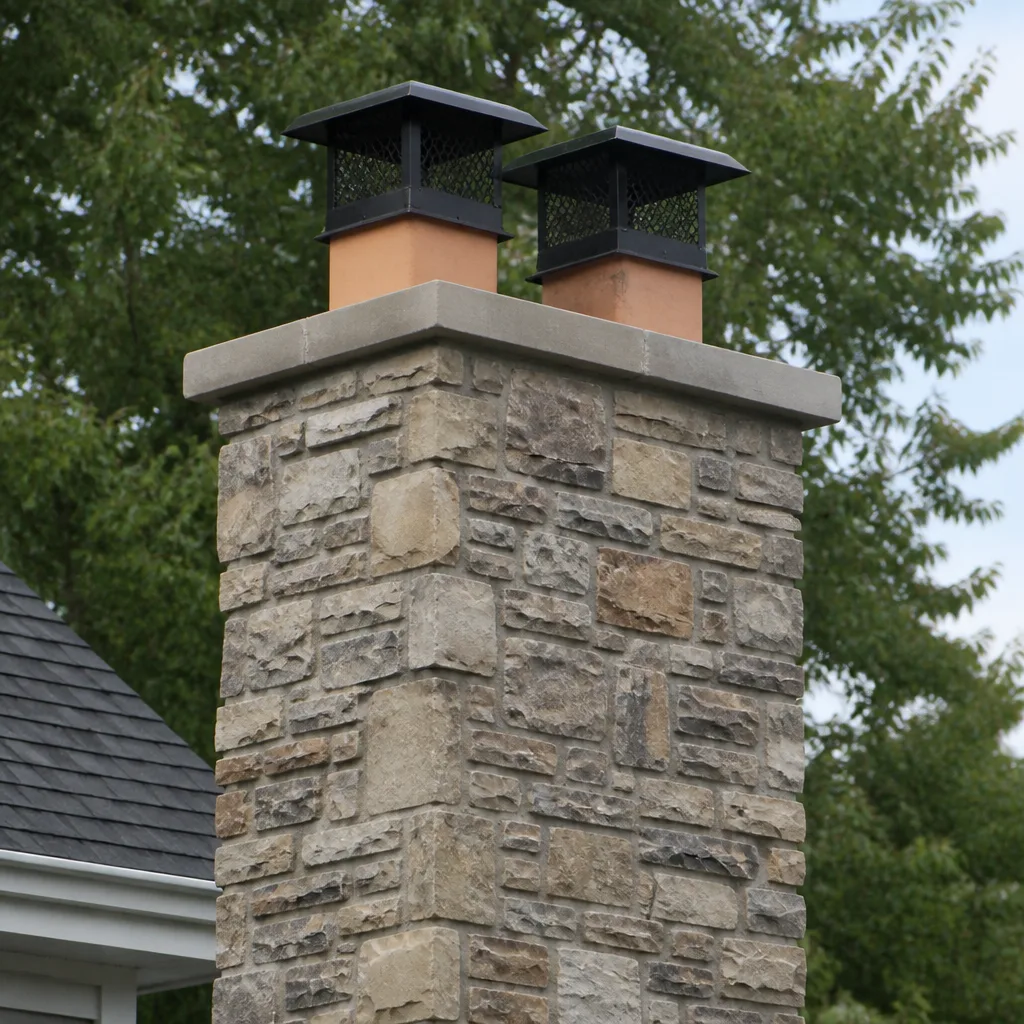 Caps & crowns
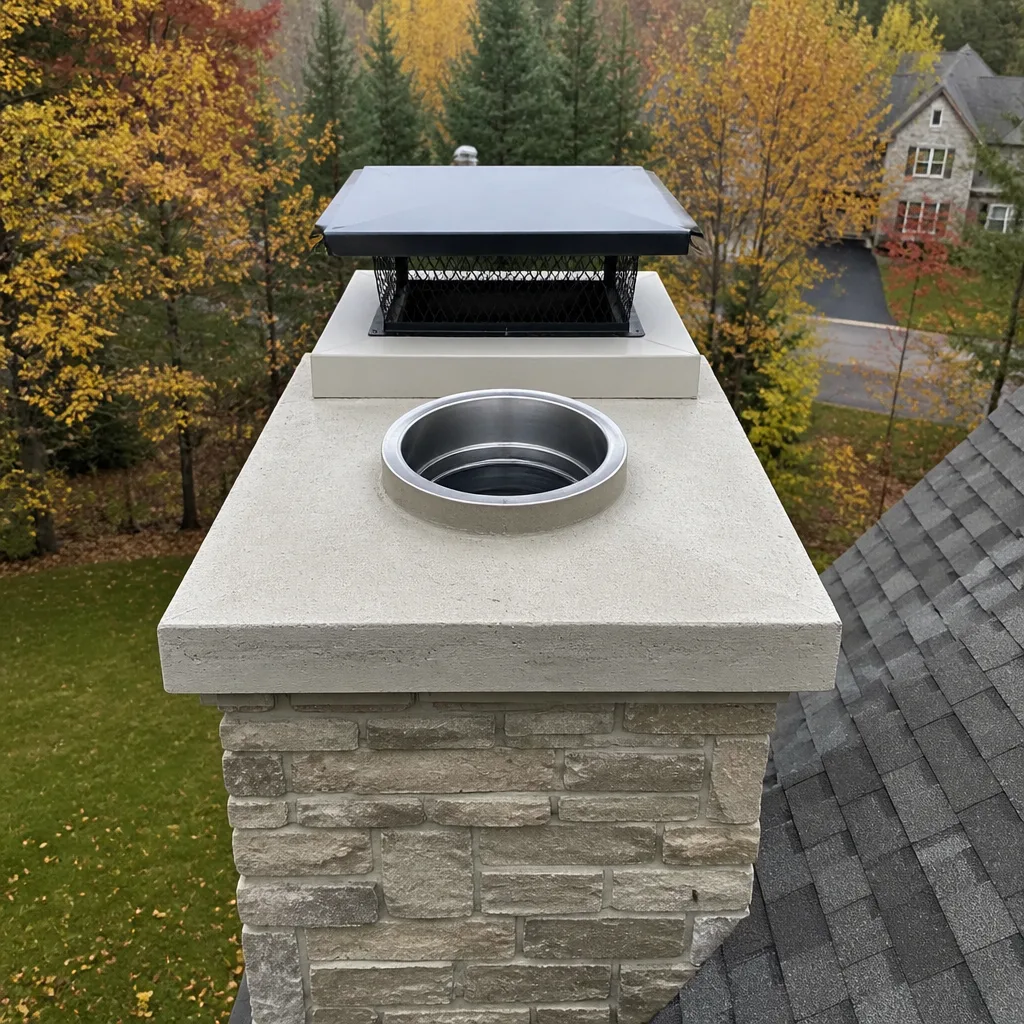 Flue relining
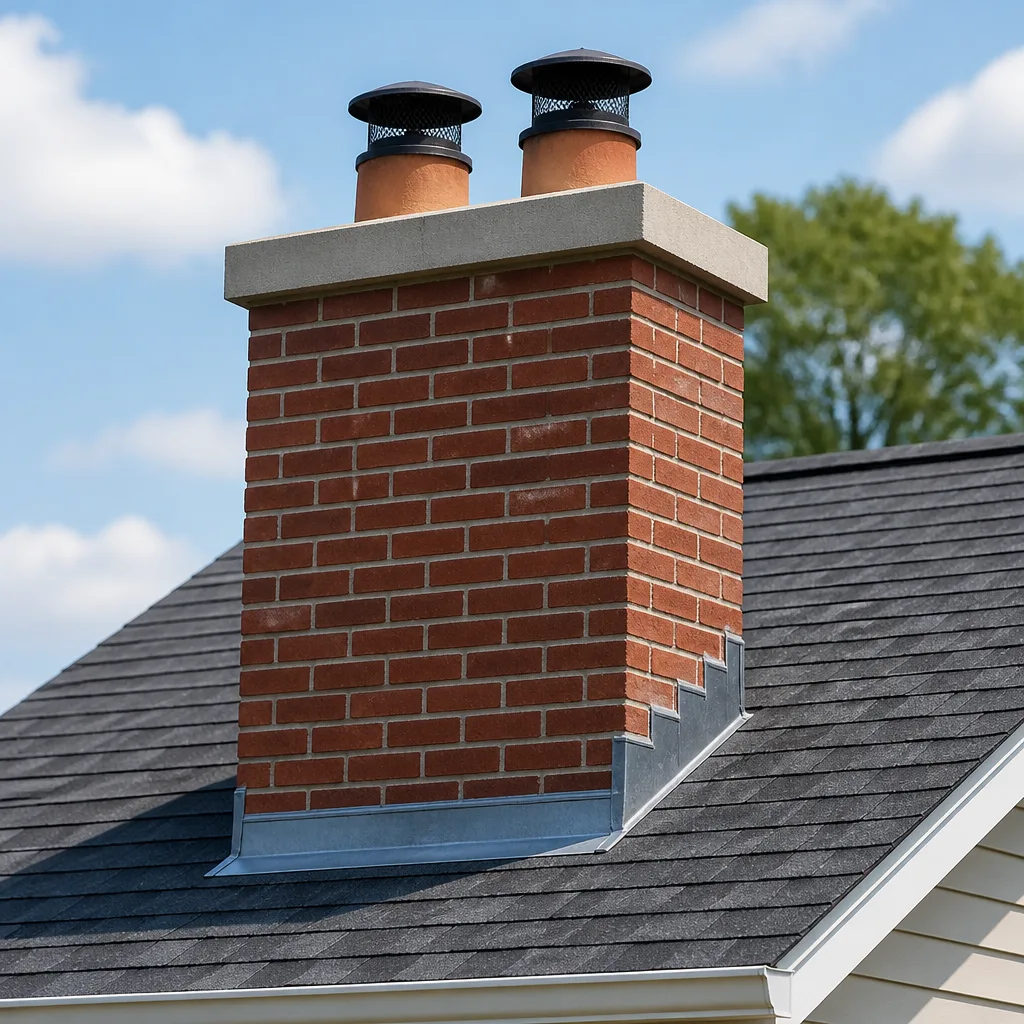 Masonry repair
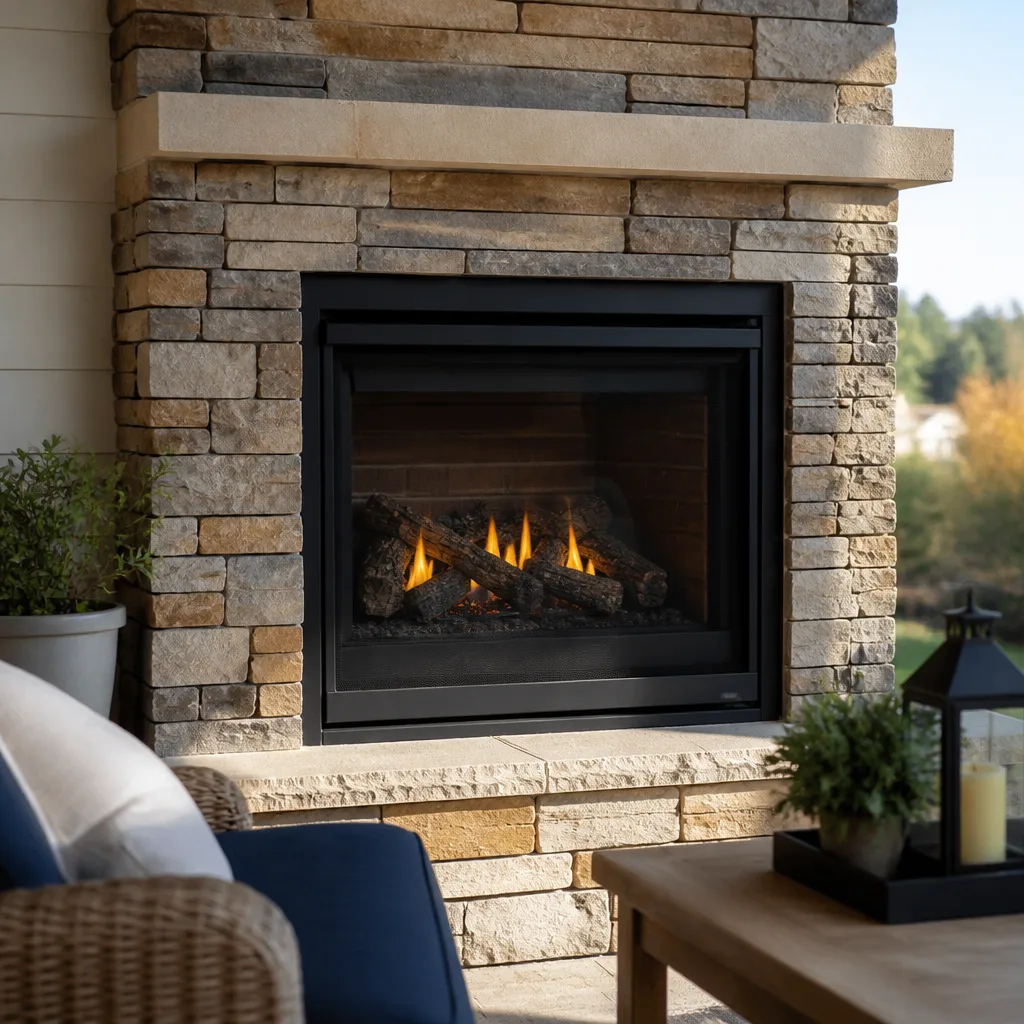 Gas fireplace service
Level 1 sweep and inspection to the NFPA 211 annual standard - flue, crown, cap, and flashing checked and photographed
Chimney sweep logs do not sweep chimneys. They loosen some creosote - which then falls where a brush and vacuum still have to collect it.
Chimney Cleaning Cost Breakdown: The White Rock Homeowner’s Reference for 2026
The advertised $99 chimney sweep almost never covers what most White Rock chimneys actually need. That’s not because every company running the special is dishonest. It’s because the price was never built to cover a full-system evaluation: the flue, the firebox, the smoke chamber, the cap, the crown, and the flashing that keeps water out. A cleaning special pays for a cleaning. When the technician climbs down and tells you the liner is cracked or the crown is spalling, you’re standing in a kitchen with no reference point for whether the second number is fair. This guide gives you one. You’ll see itemized 2026 cost ranges for every common scope, understand what drives the variance in White Rock specifically, and learn to read an estimate line by line before you sign it.
Quick Answer
A basic chimney sweep in White Rock typically runs $180 to $350, a Level 2 inspection adds $150 to $400, a chimney cap replacement estimates at $150 to $500 depending on material, and HeatShield flue liner restoration usually lands between $1,200 and $2,600. A full stainless reline, when restoration won’t hold, estimates at $2,400 and up. The written estimate you receive after inspection sets the final price, because no honest chimney company can quote a repair before it has seen the flue.
Styles & brands we work with
- Sweep & inspection
- Caps & crowns
- Flue relining
- Masonry repair
- Gas fireplace service
Table of Contents
- What a Chimney Sweep Actually Covers
- Itemized 2026 Cost Ranges for White Rock
- What Drives Price Variance in White Rock
- How to Read a Chimney Estimate Line by Line
- Inspection Levels and What Each One Costs
- Professional-Grade Materials vs. Retail-Grade: Why the Gap Exists
- The Cost of Deferring Maintenance
- Wood-Burning vs. Gas: How the Fireplace Type Changes the Bill
What a Chimney Sweep Actually Covers
When you book a chimney sweep in White Rock, the price covers more than a brush down the flue, or it should. We handle the full chimney system, from the firebox to the crown, because a flue that’s clean but capped with a failing crown is a flue that will be full of water damage by next winter. Here’s what a professional-grade sweep includes when it’s done right.
- Firebox and damper: Creosote and ash removed from the firebox floor, damper checked for smooth operation and proper seating.
- Flue: Brushed with the correct size and stiffness of brush for your flue type, then vacuumed with a HEPA unit so nothing settles in your living room.
- Smoke chamber: Inspected for the heavy, glazed creosote that builds up on the sloped surfaces above the damper.
- Cap and crown: Checked for cracks, animal nests, and improper fit.
- Exterior: Flashing, mortar joints, and the crown observed from grade or roof level to spot water intrusion paths.
- Camera inspection: A video camera run through the flue to look for cracks, gaps, and liner deterioration a brush can’t reveal.
That last item is where the real value sits, and it’s also where cheap quotes fall short. A brush alone tells you the flue is clean. A camera tells you whether the flue is safe to use. Those are different questions, and only one of them protects your house.
In our experience, the biggest source of tension between a homeowner and a chimney company comes down to that gap. A homeowner paid for a cleaning. The company found a problem. Nobody agreed up front on what a full evaluation includes. Fix that before the visit and the conversation gets a lot simpler.
Itemized 2026 Cost Ranges for White Rock
Here’s the breakdown most estimates never show you. These are typical estimates for the White Rock market in 2026, not quotes. Every chimney is different, and the written estimate you get after inspection is the number that matters.
| Service | Typical Estimate Range |
|---|---|
| Basic chimney sweep (wood-burning) | $180 – $350 |
| Gas fireplace cleaning and service | $150 – $300 |
| Level 1 inspection | $100 – $250 (often included with a sweep) |
| Level 2 inspection (camera) | $150 – $400 |
| Level 3 inspection (access required) | $500 – $2,000+ |
| HeatShield flue liner restoration | $1,200 – $2,600 |
| Stainless steel reline (full) | $2,400 – $5,500 |
| Chimney cap replacement | $150 – $500 |
| Crown repair or rebuild | $400 – $1,500 |
| Smoke chamber parging | $400 – $1,000 |
| Fireplace repair (varies by scope) | $200 – $1,200 |
A few notes on reading this:
- Ranges are wide because the work is wide. A one-story flue with a straight run is not the same job as an offset flue on a two-story house.
- The sweep and the inspection are often combined on a single visit, and some companies bundle them. Confirm what’s included in writing.
- The cap replacement range spans a simple galvanized model to a custom stainless fabrication. Material selection is most of the price difference.
- Liner work dominates the estimate when it’s needed. That’s the line item to slow down on and ask questions about.
Estimates are free at Chimney Sweep White Rock, and the number you’re given after inspection is the number you pay. Call (844) 877-7238 to book a sweep and find out what your chimney actually needs before you commit to anything.
What Drives Price Variance in White Rock
White Rock sits in a part of Texas where the heating season is short but the fireplace still gets real use through December, January, and February. Three things move the price most in homes here.
1. Home Age
Older homes are more likely to have clay tile flues that have been through enough heating cycles to develop cracked joints. A crack in a clay flue tile is not cosmetic. Hot gas and embers reach the framing through it. That’s why inspection matters more on an older house than a clean one.
2. Flue Liner Type
Clay tile liners were standard for decades and still hold up in many White Rock homes, but they don’t like the short, hot, then cold cycles of a wood-burning fireplace. A cracked clay tile is what pushes a $250 cleaning into a $2,400 reline conversation. Stainless liners are newer and more durable, but they still need inspection. A pre-fabricated metal fireplace has its own inspection criteria and typically costs less to service than a masonry system.
3. Wood-Burning vs. Gas
A wood-burning fireplace creates creosote and needs the full brush-and-camera treatment. A vented gas log set produces less creosote but burns differently, and the flue can degrade from the moisture that combustion of gas generates. An unvented gas set has no flue to clean at all but still needs the firebox and connections checked. The core cleaning cost is often lower on gas, but the inspection cost is the same. Skipping gas inspection is one of the more common mistakes we see in White Rock homes.
How to Read a Chimney Estimate Line by Line
This is where most homeowners get burned without realizing it. A vague line item on a chimney estimate is not always a sign of bad faith, but it’s always a signal to ask a question. Use this process on every estimate you receive, from any company.
- Look for a stated diagnosis. Every repair should have a reason attached. “Liner is cracked at the third joint, visible on camera” is a diagnosis. “Liner needs work” is not.
- Check that the scope names the product and the material. A liner repair should say what product and what size. “Insulation” or “sealant” alone tells you nothing about what’s going in your chimney.
- Read the itemized list for anything you can’t verify. If a company recommends a full reline without showing you camera footage of the liner’s condition, ask to see it. Legitimate recommendations come with evidence you can look at yourself.
- Separate the “needs now” from the “needs eventually” items. Not everything on an estimate has to happen today. A crown with minor surface crazing can often wait a season. A flue with a visible crack through the tile should not.
- Ask what happens if you decline a line item. A good company will tell you plainly what the risk is and what it is not. If they can’t describe the specific consequence, push back or get a second opinion.
- Confirm the price is fixed, not hourly. Estimates should be per job. An open-ended hourly line on chimney work is a red flag for cost creep.
- Get the flat-price sweep agreed before booking. The cleaning price should be stated up front, not adjusted after the visit.
One more thing to look for: whether the same company can handle the repair it recommends. Chimney Sweep White Rock handles sweep, inspection, cap and crown, fireplace repair, and structural chimney repair, so the diagnosis and the fix come from the same specialist team. There’s no hand-off to a second contractor who has to re-evaluate and re-quote the work.
Inspection Levels and What Each One Costs
Chimney inspections come in three levels, and the price difference between them is mostly about how much access the technician needs. Knowing which level you’re paying for is the fastest way to spot an overcharge on an estimate.
Level 1 Inspection (typically $100 – $250)
A visual check of all accessible parts of the chimney, firebox, and flue from the ground or the roof. No camera involved. Usually appropriate when you’re buying or selling a home with an unchanged fireplace, or when the fireplace has been used normally since the last inspection.
Level 2 Inspection (typically $150 – $400)
Adds a camera run through the flue. This is the level you want when there’s been a chimney fire, a change in fuel type, a change to the appliance, or a property sale. It’s also the right level any time you want to know exactly what condition the liner is in. Most of the liner-related conversations we have in White Rock start with a Level 2 inspection, because that’s the level that actually surfaces liner cracks.
Level 3 Inspection (typically $500 – $2,000+)
Reserved for cases where a serious problem is suspected and the technician has to open up a wall, remove part of the chimney, or access concealed areas. Rare relative to Levels 1 and 2, but the price reflects real construction access.
If a company can’t tell you which level of inspection they’re performing, that’s a problem. The level should be stated on the estimate like any other line item.
Professional-Grade Materials vs. Retail-Grade: Why the Gap Exists
The material cost difference between a professional chimney repair and a hardware-store patch job is real, and it’s not marketing markup. Here’s what’s actually behind it.
- HeatShield flue liner restoration is a specialized process that restores a deteriorating flue liner without a full reline in the right conditions. It’s not a coating you can buy on a shelf. It’s an applied system that needs proper surface prep, the correct product grade, and a trained applicator. That’s the reason a HeatShield job estimates at $1,200 to $2,600 rather than the few hundred a retail patching product costs, and the reason most sweep companies don’t advertise it.
- DuraFlex stainless liner systems are built to a specification. The alloy, the wall thickness, the joint design all matter. A retail retrofit kit from a big-box store is a different product with a shorter realistic service life. The gap exists because a properly installed DuraFlex liner in a masonry chimney is engineered for the flue it’s going into.
- Famco and Copperfield components put us in reach of specialty parts (caps, crown materials, dampers, and fabrication) that a generalist has to source through a middleman. That translates to fewer “we can’t get that part” dead ends on the estimate.
The reason we keep a curated set of professional product lines is simple: a chimney repair has to be matched to the specific job. A clay flue tile that’s cracked at the joint is a different problem than a smoke chamber that needs parging, and one product doesn’t solve both. The right material for the job, not whatever’s on the truck, is the difference between a repair that holds and one that gets re-done.
When you’re comparing estimates on liner or cap work, ask what product is specified. If the estimate just says “liner replacement” with a dollar figure, you can’t tell whether you’re paying for a professional system or a retail alternative. Make them name it.
The Cost of Deferring Maintenance
The math here is simple, and it’s the reason we push inspection over resale pitches. A routine cleaning and inspection in White Rock typically estimates at $180 to $350. Annual or at-least-regular inspection catches a hairline liner crack or a failing crown while the fix is still small. Skip it for a couple of seasons and the crack can travel, moisture can reach the framing, and the estimate moves from a few hundred dollars to a reline in the $2,400 and up range.
That’s the real cost of deferral. Not the money you saved by skipping cleanings. The repair bill you didn’t see coming.
There’s a safety layer too. Creosote buildup from a season of wood burning is flammable, and it’s the fuel for a chimney fire. A chimney fire that stays in the flue can crack the liner and even reach the framing. And if the flue is blocked by a bird nest or a collapsed liner, exhaust has nowhere to go but back into the room. Carbon monoxide is odorless and colorless, and the only reliable way to know the flue is clear is to look at it. That’s why we recommend against skipping inspection, and why we say so plainly when a problem is urgent vs. when it can wait.
In our experience, the honest answer to most homeowners is somewhere in the middle. Some things need fixing this season. Some can wait to next. The point is to know the difference, and that only comes from a proper inspection you can see evidence from.
Wood-Burning vs. Gas: How the Fireplace Type Changes the Bill
The single biggest factor most homeowners don’t factor in when they call for a sweep is what their fireplace actually burns. The two systems age differently and need different work, and the cost profile reflects that.
Wood-burning fireplaces accumulate creosote, and the creosote has to be removed before the flue can be inspected and before the fireplace is safe to use. This is the standard sweep with a brush and a camera. The cost range of $180 to $350 covers the cleaning for most homes, and the liner condition drives everything after that. Creosote buildup in stages two and three (glazed, hardened) is harder to remove and may need chemical treatment before brushing, which can push the cleaning cost toward the top of the range.
Gas fireplaces produce far less creosote, but the combustion creates moisture and the flue still needs checking. Vented gas logs have a flue and need it inspected, often at a lower core cleaning cost ($150 to $300) but the same camera inspection. Unvented gas sets have no flue to clean but need the burner, logs, and connections checked every year for proper operation and carbon monoxide risk. A gas set that hasn’t been serviced can develop a blockage or corrosion you’d never notice without inspection.
Where this runs into expensive consequences is on a gas fireplace that gets ignored because “there’s nothing to sweep.” The service interval is real. The inspection is real. And a gas fireplace that’s been run hard without a check is a good candidate for a repair estimate you weren’t expecting.
Common Mistakes to Avoid
- Booking a sweep special without confirming it includes an inspection. A $99 cleaning that doesn’t include a camera run tells you your flue is clean and nothing else. Confirm what the price covers before you book.
- Approving a reline without seeing camera footage. You have every right to see the evidence. If the liner condition is being described to you only in words, ask to see the footage and don’t sign until you do.
- Treating a gas fireplace as maintenance-free. The lack of creosote doesn’t mean the flue, burner, and connections don’t need the same annual check a wood fireplace gets.
- Ignoring the crown because the flue is clean. A clean flue with a cracked crown is a clean flue that will be wet and damaged within a season or two. Crown and cap work addresses the root of water damage, not just the symptom.
- Comparing estimates by the bottom-line number only. A $1,800 liner quote and a $2,600 liner quote may be entirely different products. Compare what’s specified, not just what’s charged.
- Skipping inspection on a home you just bought. In White Rock, where a lot of the housing stock has been through many heating seasons, a Level 2 inspection at purchase is the cheapest insurance you’ll buy. You’ll know what you’re inheriting.
- Waiting for smoke in the room before calling. A fireplace that smokes back is often already telling you the flue is restricted or the liner is compromised. Call before the problem gets more expensive.
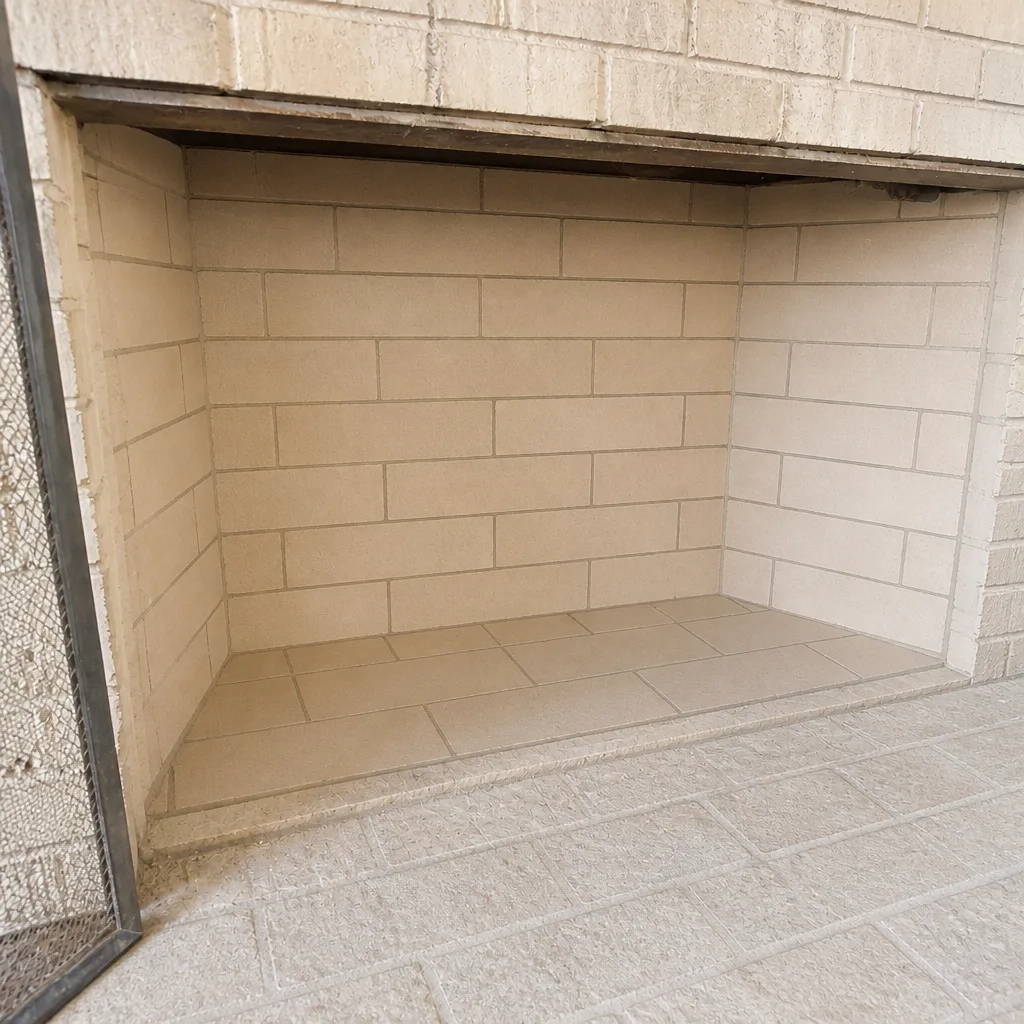
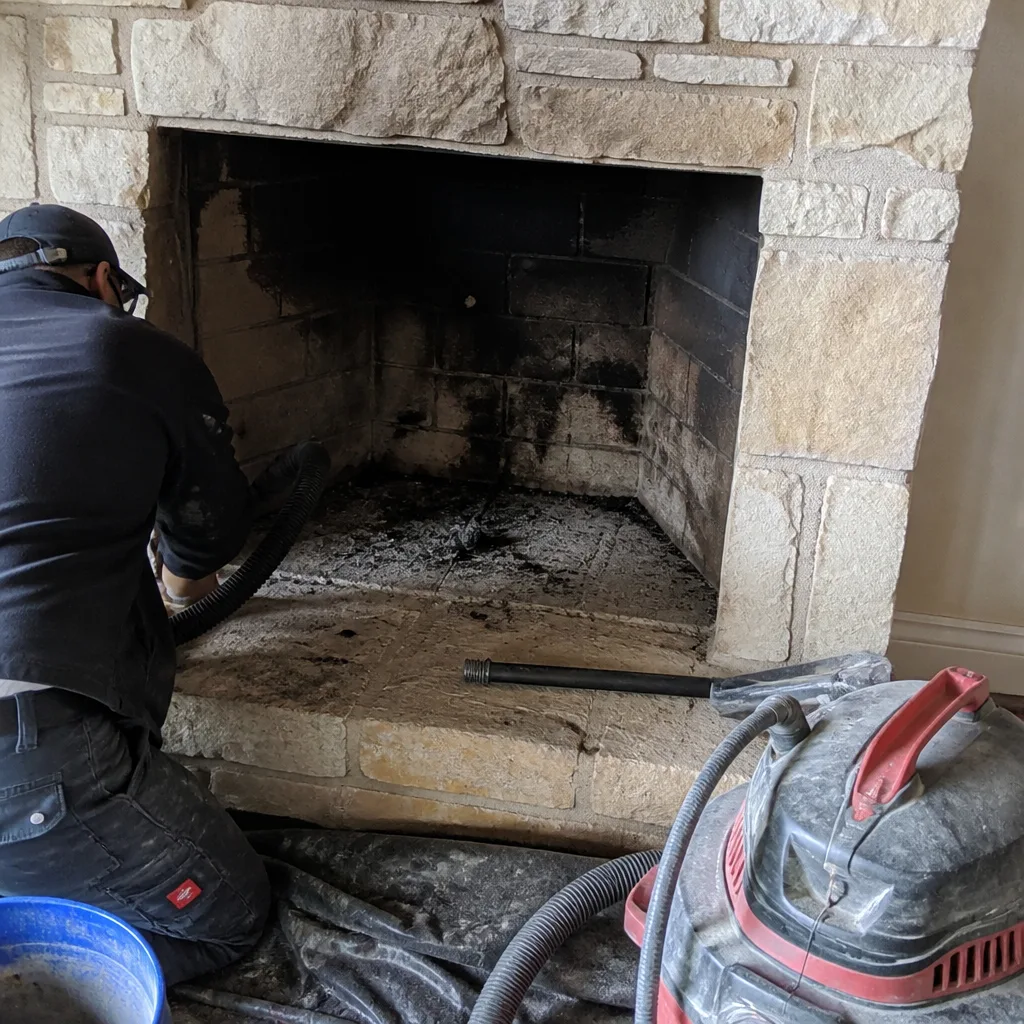
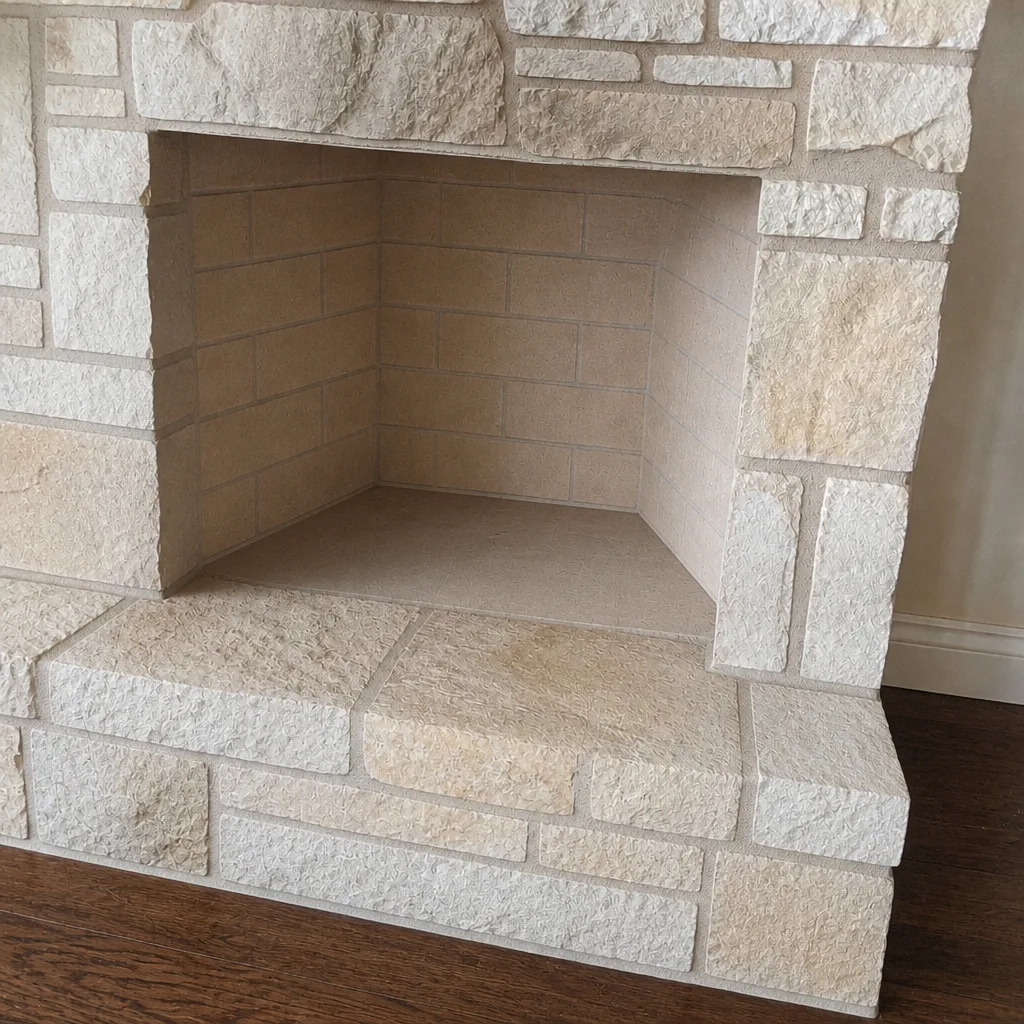
See the difference
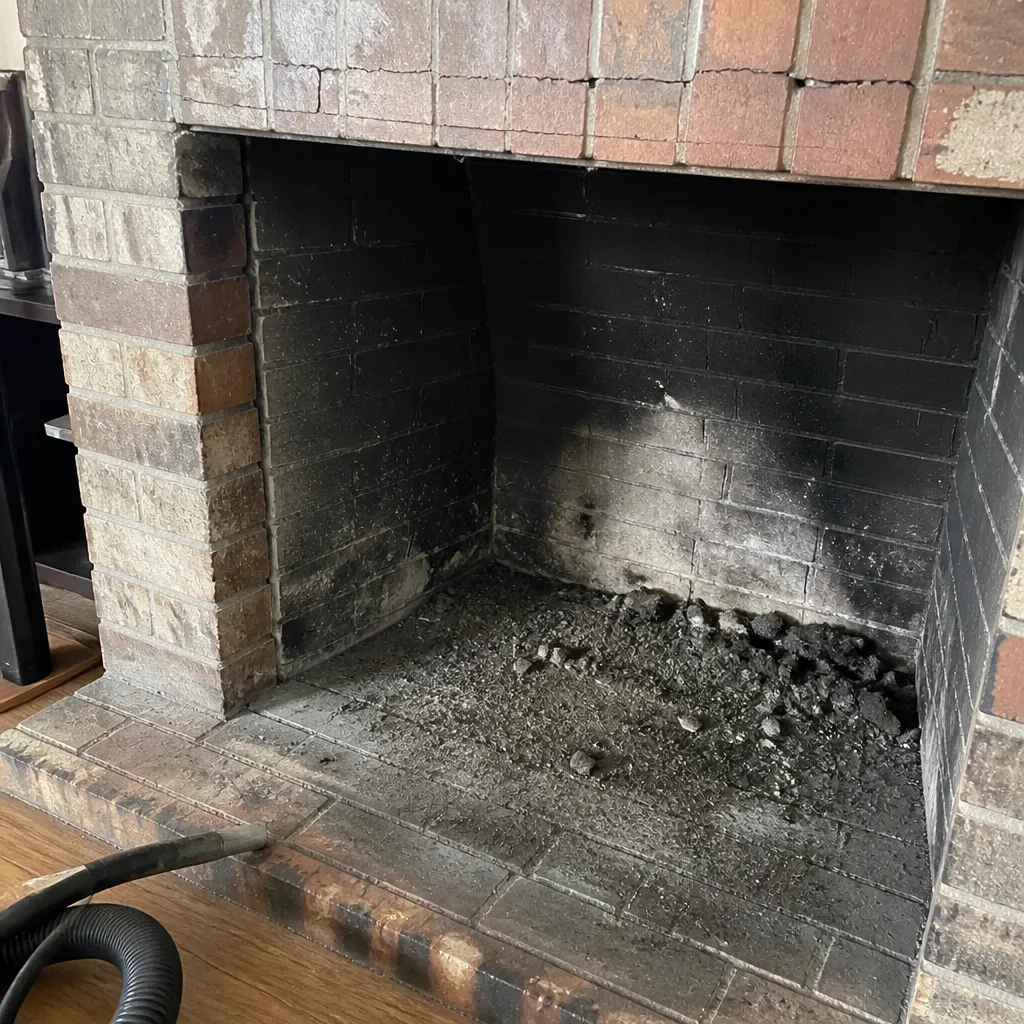 Before
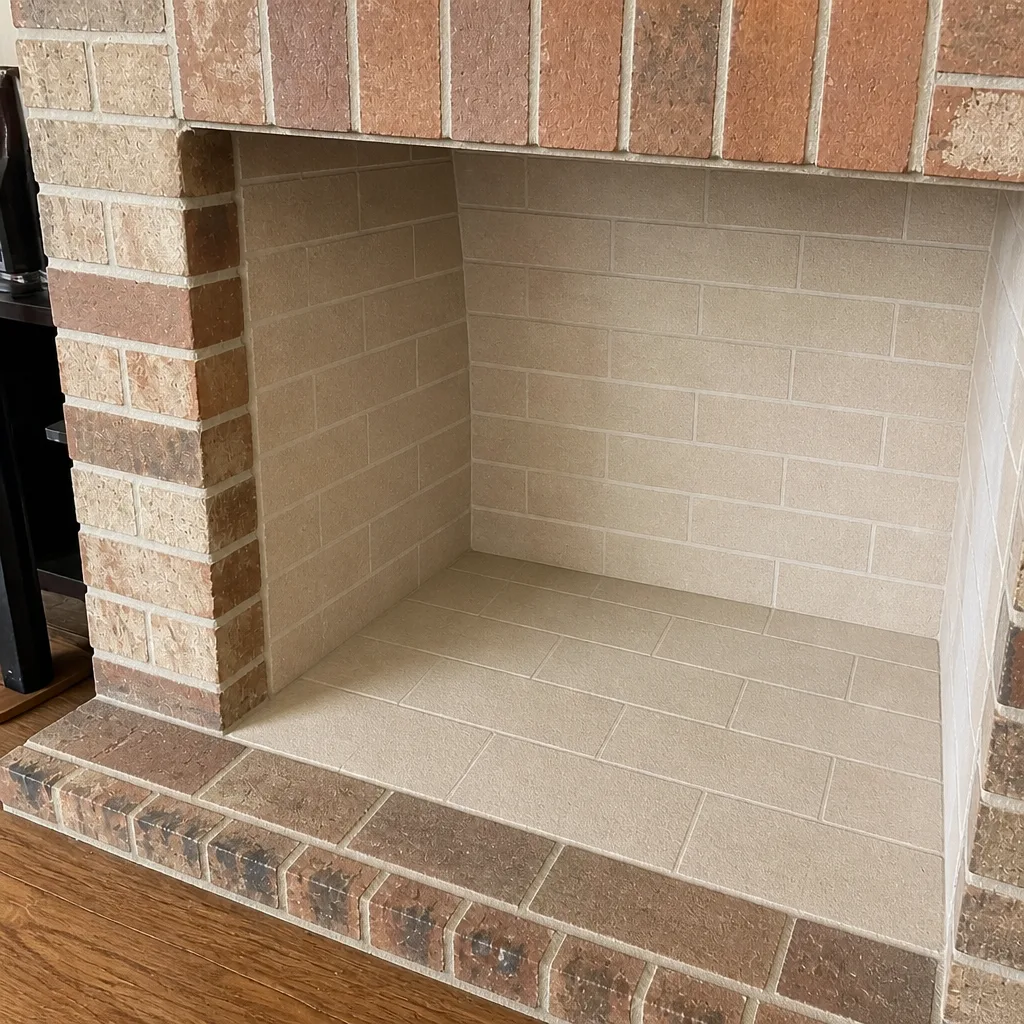 After
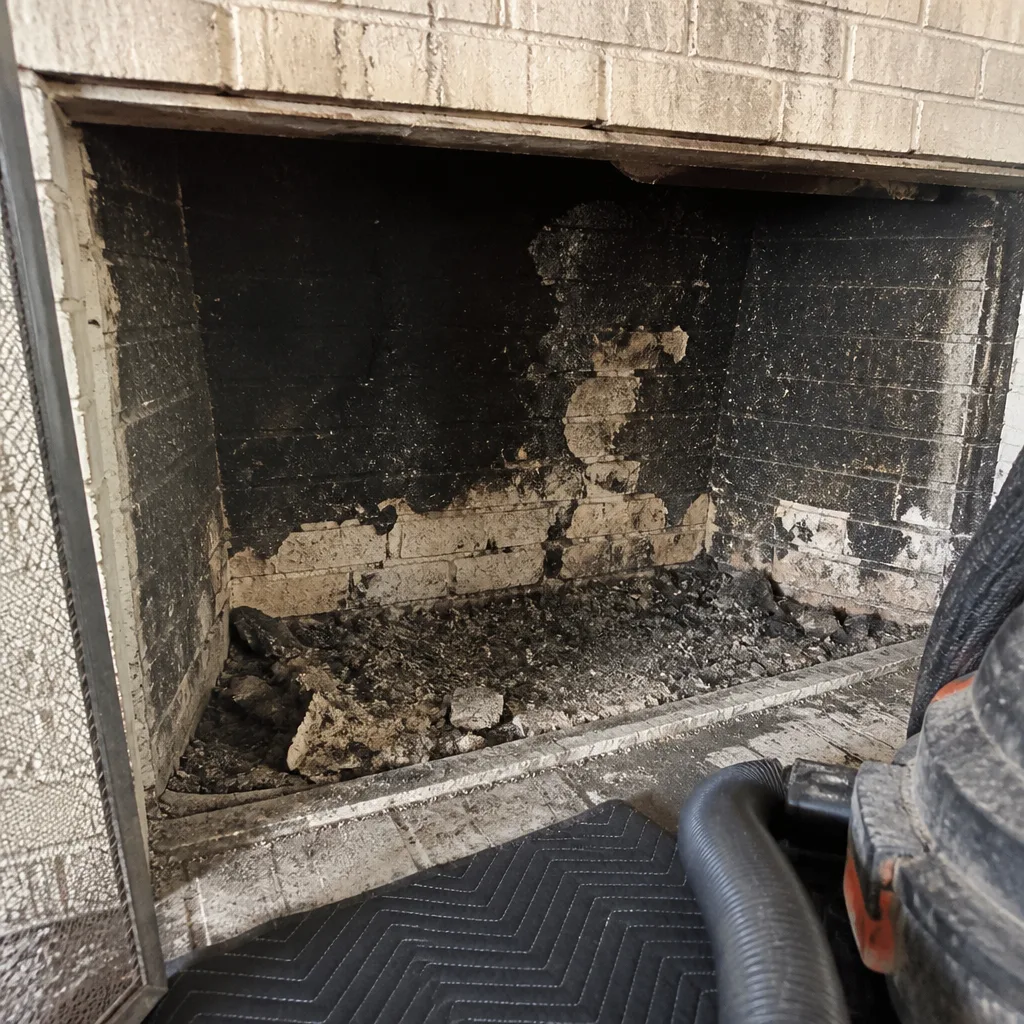 Before
 After
 Before
 After
When to Call a Professional
Some jobs genuinely need a chimney specialist rather than a general handyman. Call us when the fireplace smokes back into the room, when you smell a strong creosote odor even with the damper closed, or when you notice staining on the ceiling near the chimney. Call if you’ve had a chimney fire, even a small one, because the liner needs to be inspected before the fireplace is used again. Call if it’s been more than a year since the last sweep or if you’ve moved into a White Rock home with no service history. And call before you buy a house with a wood-burning fireplace, so the inspection and the camera footage arrive before the closing and not after. Chimney Sweep White Rock offers free estimates in White Rock – call (844) 877-7238.
Frequently Asked Questions
A basic chimney sweep in White Rock typically estimates at $180 to $350 for a wood-burning fireplace, and a gas fireplace cleaning runs $150 to $300. The written estimate you receive after inspection sets the final price, and estimates are free. Call (844) 877-7238 for an exact quote.
Not always. Whether you need a new liner depends entirely on the condition of the existing one, and the only way to know is a camera inspection you can look at yourself. In some cases a HeatShield restoration can address a deteriorating liner without a full stainless reline, which changes the cost considerably. We won’t recommend liner work unless we can show you the reason on camera. Call (844) 877-7238 to schedule an inspection.
Once a year for most wood-burning fireplaces, or more often if you burn heavily through the winter. Every chimney should be inspected annually even when it doesn’t need a full sweep. The inspection is what catches liner damage or a failing crown before it becomes a bigger repair. Call (844) 877-7238 to book yours.
Creosote keeps building up in the flue with every fire, and enough of it is the fuel for a chimney fire. A blocked or damaged flue can also send exhaust back into the room, and carbon monoxide is odorless and colorless, so you’d never know without an inspection. The real cost of skipping isn’t the fire risk alone; it’s the repair bill down the road. Call (844) 877-7238 for a free estimate before another season passes.
Yes. If a technician recommends liner or structural work, ask to see the footage that supports the recommendation. A legitimate chimney company will show you what they found and tell you plainly whether the work can safely wait. If someone can’t back up a recommendation with evidence, get a second opinion. Call (844) 877-7238 for an inspection with a photo report included.
A chimney cap replacement typically estimates at $150 to $500 depending on material and fit. A basic stock cap sits at the low end, while a custom or stainless fabrication sits higher. The cap is one of the most cost-effective repairs you can do because it stops water and animals from getting into the flue. Call (844) 877-7238 for an exact quote on your chimney.
The Bottom Line
Chimney cleaning costs in White Rock in 2026 run $180 to $350 for a basic sweep, and the price is only half the story. The other half is what the inspection finds. Liner repair, cap work, crown repair, and smoke chamber parging each carry their own cost, and a vague estimate is the most common sign that a quote is being padded. Ask for a diagnosis with evidence, ask which materials are specified, and ask what can safely wait. The right approach for a White Rock homeowner is a full-system evaluation from a chimney specialist who does the sweep, the inspection, and the repair. Call (844) 877-7238 for a free estimate. We answer 24/7. Fast dispatch from 7am to 7pm, Sunday through Friday.
Related Reading
Start with the Chimney Sweep White Rock home page if you’re new to our service. For roof-line water intrusion,chimney cap & crown work addresses the source rather than the damage. If the firebox or damper needs attention, fireplace repair covers the parts of the system you use most.
Written by the team at Chimney Sweep White Rock.