
Last updated November 25, 2026
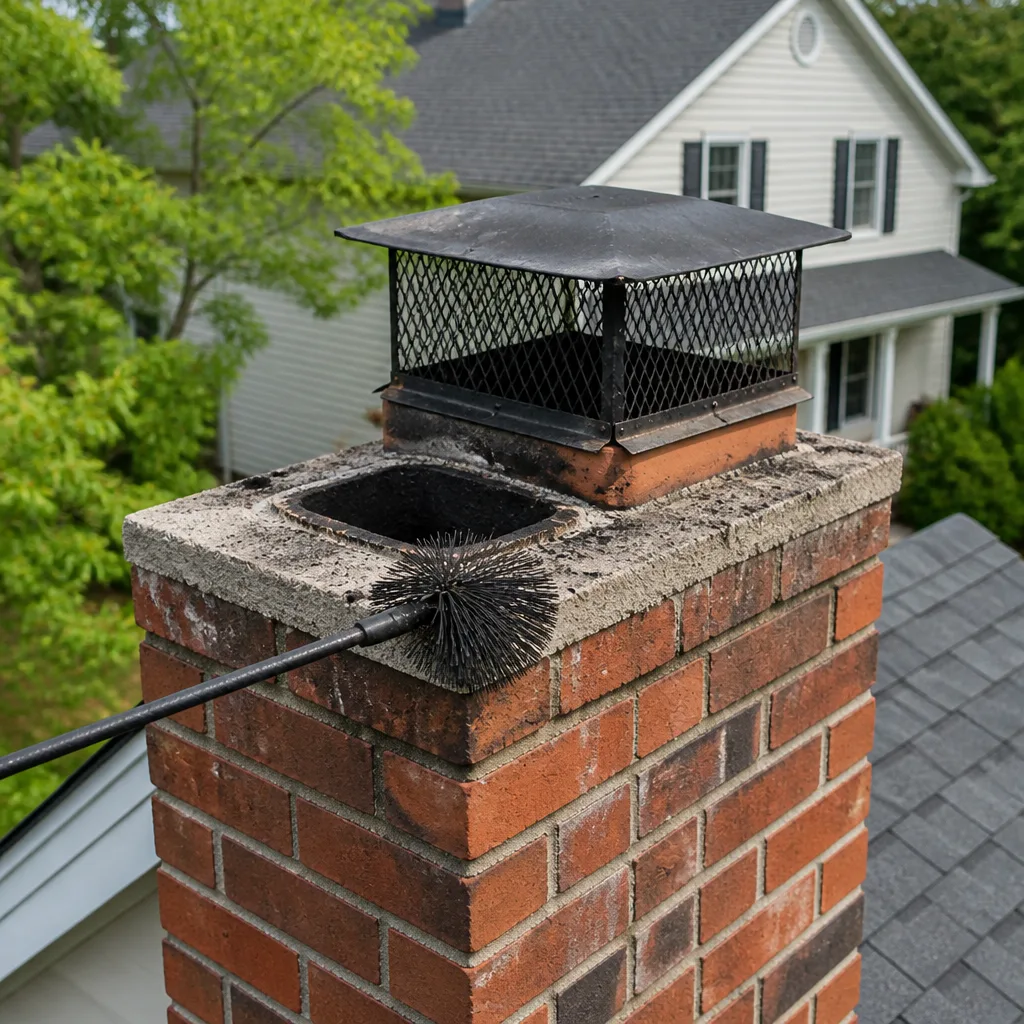 Sweep & inspection
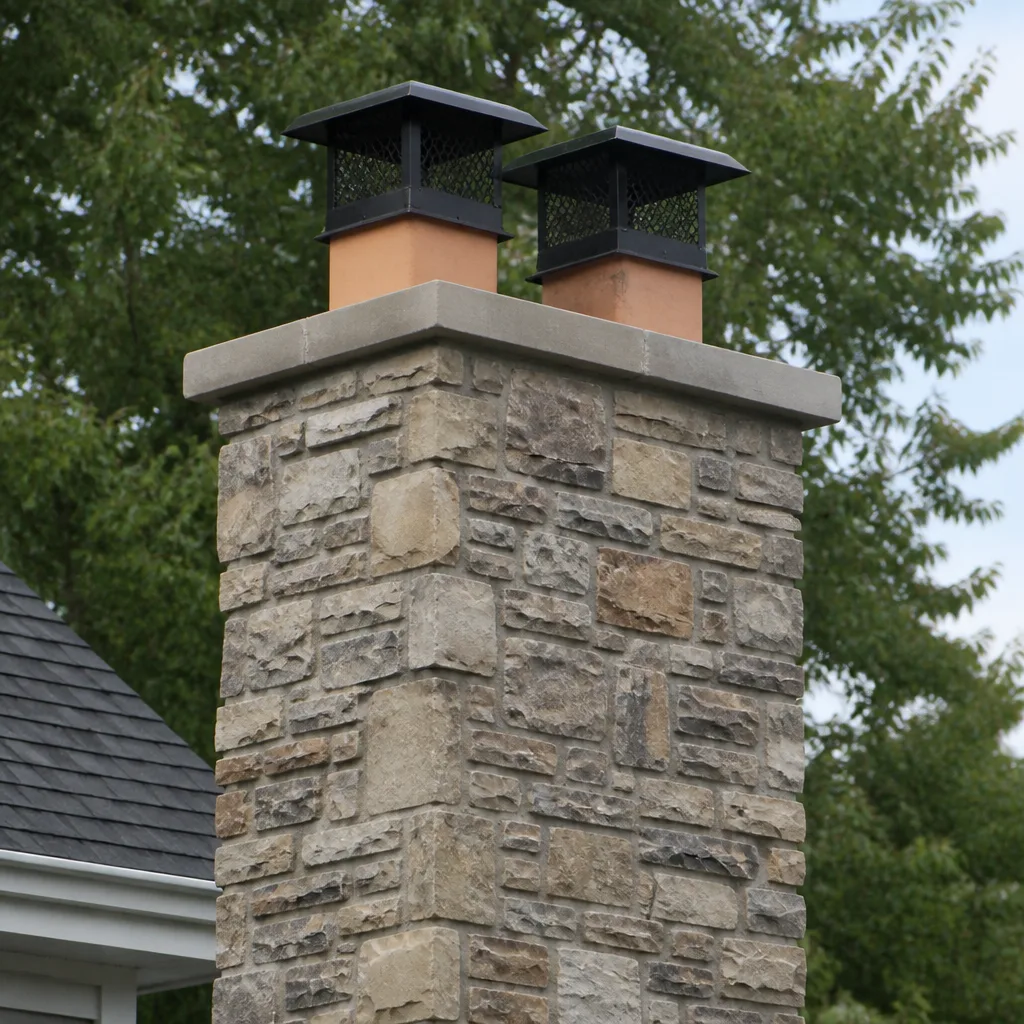 Caps & crowns
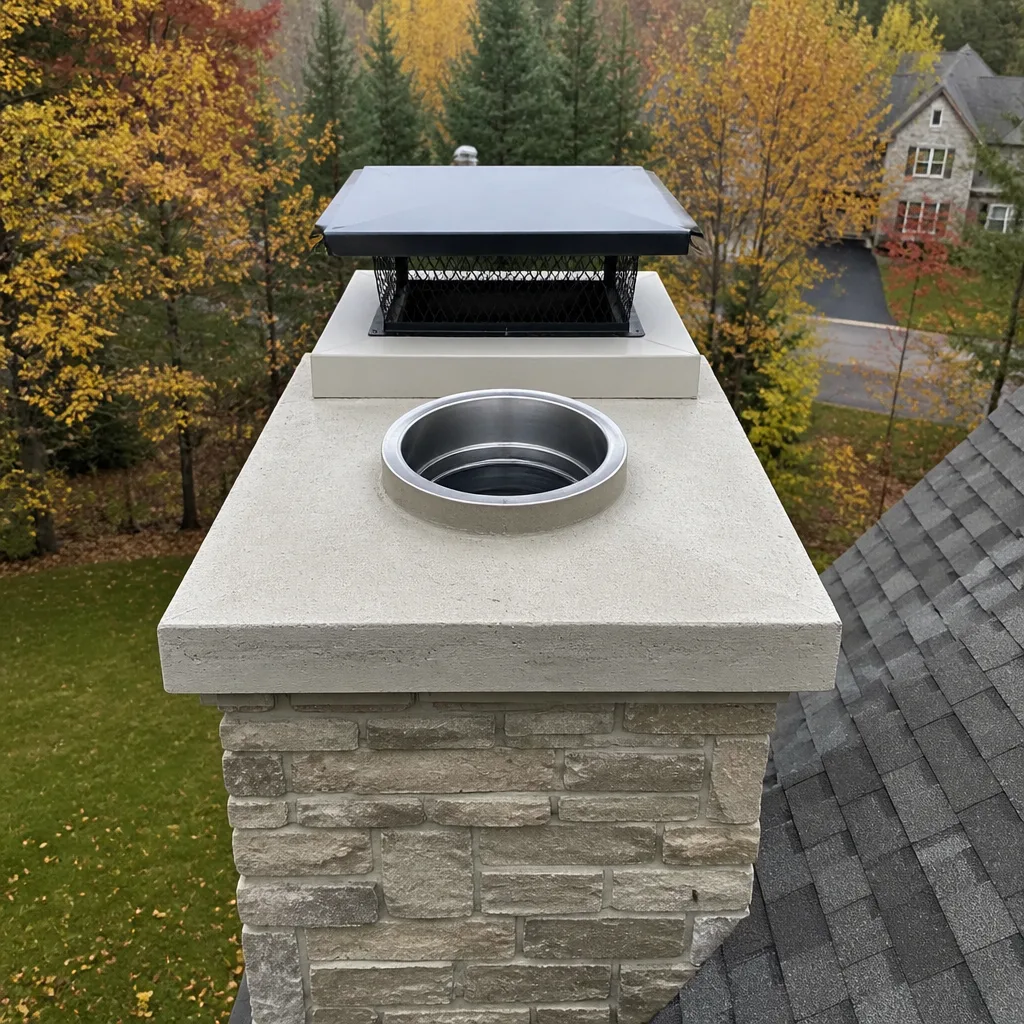 Flue relining
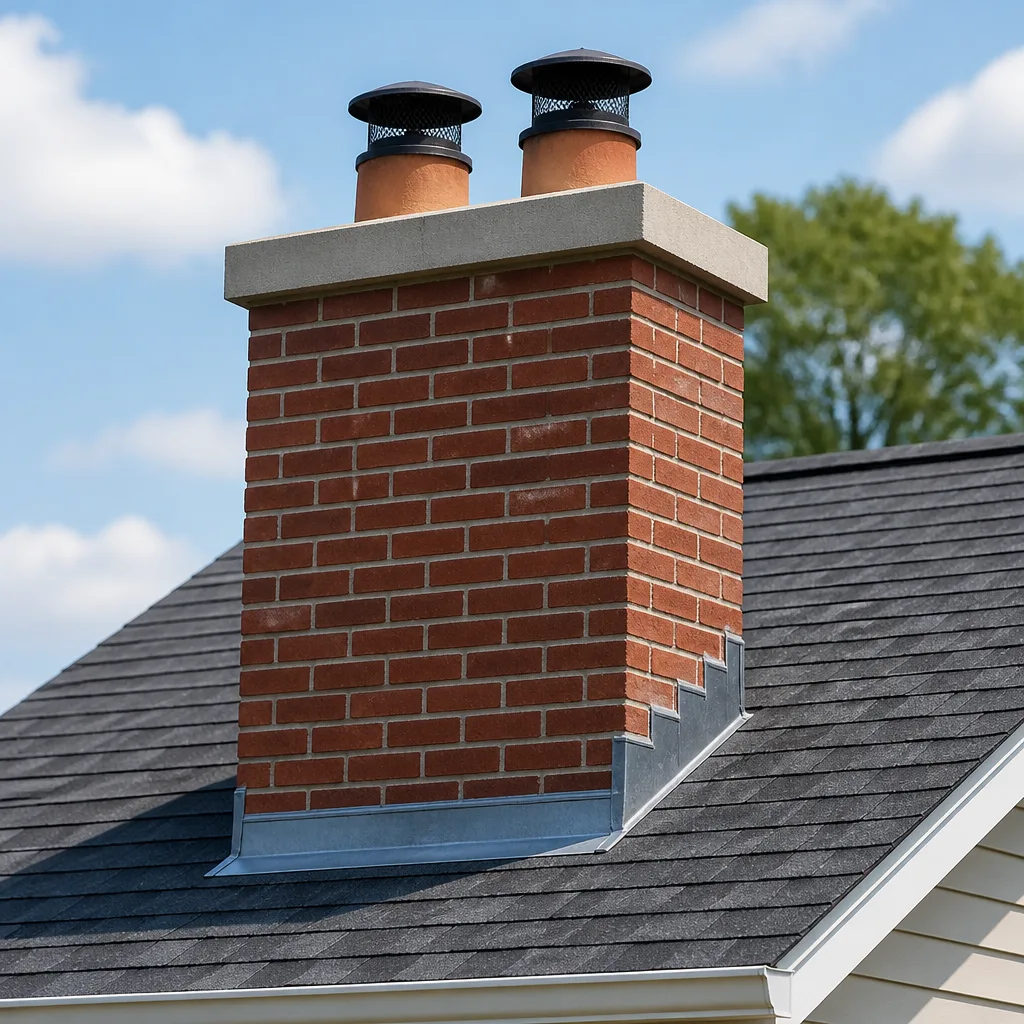 Masonry repair
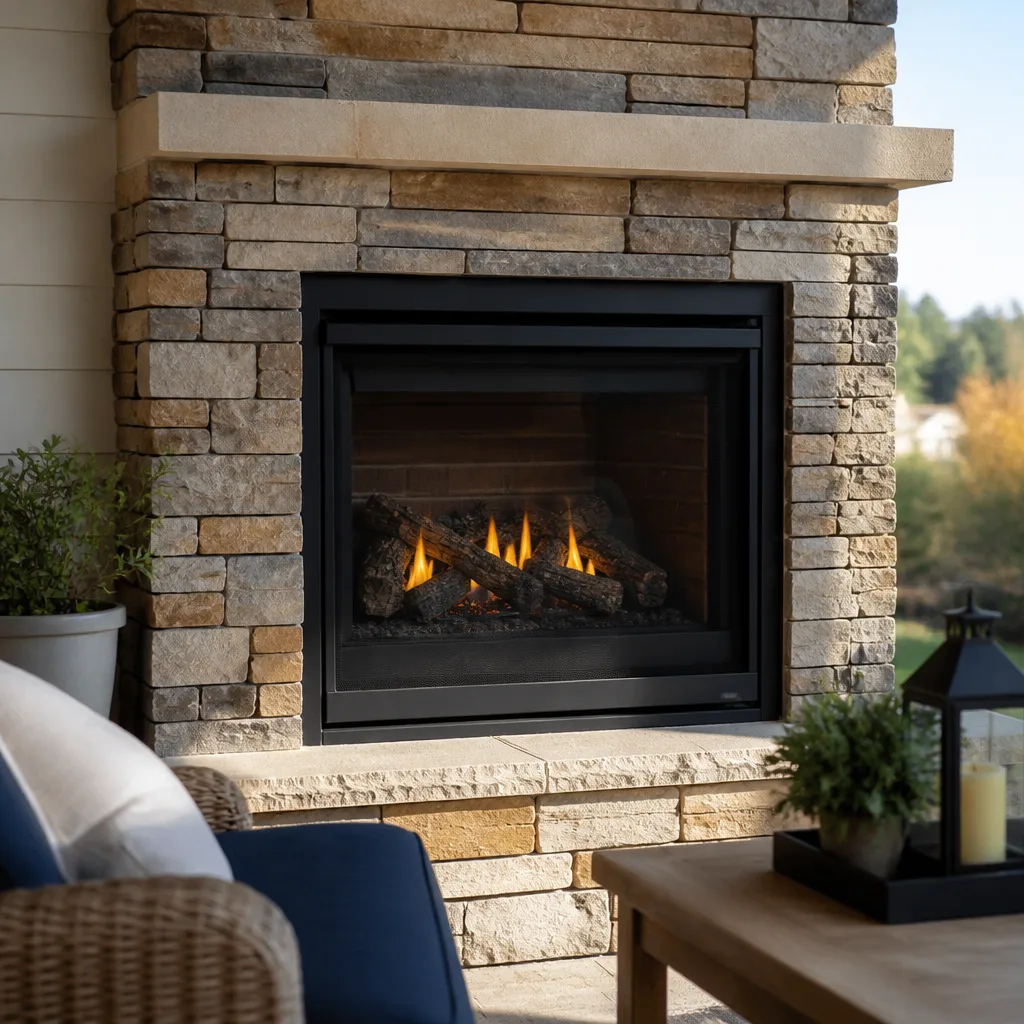 Gas fireplace service
Level 1 sweep and inspection to the NFPA 211 annual standard - flue, crown, cap, and flashing checked and photographed
Chimney sweep logs do not sweep chimneys. They loosen some creosote - which then falls where a brush and vacuum still have to collect it.
Chimney Cleaning Permits, Codes & Inspections in White Rock, TX: What You Need to Know
Most homeowners assume chimney work is paperwork-free. Cleaning is, mostly. But the moment a job moves from sweeping into relining, firebox rebuilding, or replacing a cap on certain structures, you’ve crossed into territory where a permit matters, and where an unpermitted repair can quietly sit in your home’s history until a buyer’s inspector finds it. In Texas, that gap between “my sweep cleaned the flue” and “my contractor rebuilt the firebox” is where insurance claims get denied and resale negotiations fall apart. This guide walks through which chimney tasks are exempt and which require permits, how Dallas County and City of White Rock jurisdiction interacts, what NFPA 211 actually requires, and what to document so the work on your White Rock home is defensible years from now.
Quick Answer
Routine chimney cleaning and a Level 1 visual inspection don’t require a permit in Texas. Structural or component work – relining, firebox rebuilding, crown replacement, or cap replacement when it changes the flue termination – typically does, and the permit comes from the City of White Rock when the property sits inside city limits, or from Dallas County when it’s in unincorporated territory. NFPA 211 is the standard local inspectors reference, and unpermitted chimney repairs can complicate a fire-damage insurance claim because the policy expects code-compliant work.
Styles & brands we work with
- Sweep & inspection
- Caps & crowns
- Flue relining
- Masonry repair
- Gas fireplace service
Table of Contents
- Which chimney tasks are permit-exempt vs. permit-required in Texas?
- How City of White Rock and Dallas County jurisdiction overlaps
- What NFPA 211 requires for Texas residential chimneys
- The three levels of chimney inspection and when each applies
- How unpermitted chimney work affects insurance claims
- What to ask your contractor to document for resale
- Local conditions that drive chimney wear in White Rock
- What chimney work costs in White Rock
Which chimney tasks are permit-exempt vs. permit-required in Texas?
The clean line in Texas residential code is between maintenance and modification. Maintenance keeps the existing system operating as built and typically needs no permit. Modification changes the system’s components, dimensions, or structural assembly, and that’s when a permit is usually required. Sweeping a flue, removing creosote, and a visual check fall firmly on the maintenance side. Swapping a liner, rebuilding a firebox, or replacing a crown falls on the other.
A practical breakdown for a White Rock homeowner:
- No permit typically required: chimney sweeping, Level 1 visual inspection, damper adjustment, cap replacement with an identical style, minor mortar touch-up on a crown, firebox cleaning.
- Permit typically required: flue relining (stainless or cast-in-place), firebox and smoke chamber rebuilding, crown reconstruction, chimney chase modification, changes to flue height or termination, structural masonry repair.
- Case-by-case: cap replacement when it changes the flue’s effective height or when the existing cap was part of the original engineered termination; HeatShield liner restoration, which is a repair of the existing liner’s surface rather than a full replacement, so whether the local authority treats it as permit-level work depends on the scope.
The reason this matters is that most general handymen and even some sweep operations treat “chimney work” as one category. We don’t. When a homeowner calls us for a chimney sweep, we scope what’s actually needed first, because knowing whether a job is exempt or permit-required before anyone quotes it changes the estimate and the timeline.
One more distinction that catches people: a repair that matches the original construction is usually exempt. A repair that changes the original construction (a taller flue, a different liner material, a modified crown slope) is usually not. That single question – does this change the assembly or restore it – answers most permit questions before you ever call the city.
How City of White Rock and Dallas County jurisdiction overlaps
White Rock sits in a spot where two permitting authorities can both plausibly claim jurisdiction, and this is where most homeowners get stuck. Properties inside the City of White Rock limits go through the city’s building department. Properties in unincorporated Dallas County go through the county. But a chunk of what people call “White Rock” falls into the gray area between an incorporated municipality and the county’s extraterritorial jurisdiction, and which authority you deal with depends on the specific address, not on how the neighborhood is described in conversation.
How to confirm which authority governs your address:
- Look at your property tax statement or a recent survey – it will show whether you’re inside city limits.
- Call the City of White Rock building department and give them the exact address. Ask specifically: “Is this address inside city limits for a chimney project?”
- If the answer is no, call Dallas County and repeat the process.
- Get the answer in writing (an email reply works) and keep it with your chimney records.
We see this confusion most in neighborhoods near the White Rock Lake area, where the boundary between the city and unincorporated county runs through streets that share the same postal address. A homeowner on one side of a block deals with the city; a homeowner a few hundred feet away deals with the county. The permit itself looks different, the inspection timeline is different, and the documentation you should keep for resale is different.
If a contractor says “we don’t need any permits for this” without knowing which side of the boundary you’re on, that’s a signal to ask a second question. Chimney permits in White Rock are not one rule applied uniformly – they depend on the address. If you’re not sure, the safe move is to have us scope the job first and tell you what category it falls into, then you confirm with the authority. Call (844) 877-7238. We answer 24/7. Fast dispatch from 7am to 7pm, Sunday through Friday.
What NFPA 211 requires for Texas residential chimneys
NFPA 211 is the Standard for Chimneys, Fireplaces, Vents, and Solid Fuel-Burning Appliances, and it’s the reference local inspectors use to decide whether a chimney is working as designed. Texas doesn’t adopt it by that name at the state level; local authorities adopt it through their building codes and their inspection checklists. That means the standard reaches White Rock homeowners indirectly – through the building official reviewing a permit, through the insurance adjuster after a fire, and through the inspector evaluating your house when you sell it.
The provisions that come up in White Rock residential work:
- Clearances: specified distances between a chimney and combustible framing that the assembly is built against. These are established during construction. A repair that reduces clearance is a code problem, which is why relining isn’t just a parts swap.
- Flue liner integrity: the flue must contain combustion products without leaking. A cracked or deteriorated liner fails this test, and a cast-in-place or HeatShield liner restoration is one way to correct it without full replacement.
- Height and termination: the chimney must extend to a specified distance above the roof and terminate with an approved cap. Changing the cap in a way that alters flue height can trigger a re-review.
- Crown and flashing: required to direct water away from the chimney structure. Water intrusion through a failed crown or flashing is one of the most common causes of masonry deterioration in North Texas chimneys.
What this means in practice: when you’re quoted a liner job, the correct question isn’t just “what material?” but “which provision does this correct?” A chimney cap & crown replacement exists to satisfy the crown and water-shedding requirement. A liner replacement exists to satisfy the flue integrity requirement. Each has a purpose in the standard, and a contractor who can’t connect the work to the requirement is guessing.
We work with DuraFlex for stainless relining and HeatShield for liner restoration because those are the materials that fit these two common scenarios with the right structural outcome. The material should follow the diagnosis, not the other way around.
The three levels of chimney inspection and when each applies
Not every chimney visit is the same inspection. The industry standard recognizes three levels, and which one you need depends on what’s happened to the chimney recently and what’s about to happen to the house.
- Level 1 – visual inspection. A review of the readily accessible portions of the chimney – firebox, damper, visible flue, cap, crown, exterior masonry. Appropriate when nothing has changed: annual maintenance, routine cleaning, a chimney that’s been in continuous use without incident.
- Level 2 – visual plus camera. Adds a video scan of the flue interior and accessible portions of the attic, crawlspace, and chimney chase. Required when the chimney has changed (a liner job, a fire in the firebox, a chimney fire, a change of appliance), when the house is being sold, or when you’re switching from wood to gas or adding a new appliance.
- Level 3 – diagnostic. Involves opening portions of the chimney or building assembly to access concealed areas. Used when a Level 2 finds a hidden defect that needs to be directly viewed before a repair can be scoped.
For most White Rock homeowners, the Level 2 is the one worth knowing about, because it’s the level that shows up at resale. A buyer’s inspector almost always requests it, and if the seller can’t produce one from within the recent past, the buyer orders their own – which can surface issues the seller didn’t know about and wasn’t prepared to negotiate.
Two situations in White Rock where a Level 2 is the right call even without a home sale:
- After a chimney fire, even a small one. The event can crack a liner that reads fine visually from below.
- Before listing a home. A pre-listing Level 2 turns a surprise negotiation into a planned repair.
Every inspection we perform includes a camera scan and a photo report you keep. If nothing is wrong, the report says so. If something is wrong, the photos show it – not because we say it’s wrong, but because you can see it with your own eyes. That’s the difference between a diagnosis and a sales pitch, and it’s why we push camera evidence on every visit.
How unpermitted chimney work affects insurance claims
Every homeowner’s insurance policy on a Texas home expects the property to be maintained in a code-compliant condition. When a chimney-caused fire claim is investigated, the adjuster looks at whether the chimney was in compliance with the applicable code at the time of loss. Unpermitted structural work – a liner installed without permit, a rebuilt firebox that skipped the inspection – can be cited as evidence the loss was the result of a non-compliant condition. Whether the claim is denied, partially paid, or paid in full depends on the policy language and the adjuster, but the risk is real and it’s rarely explained up front.
The practical takeaway isn’t to fear the insurance company. It’s to protect yourself with documentation that shows the work was done properly. That means:
- A permit for anything structural. If the work required a permit, have one. The paper trail is the entire defense.
- A final inspection sign-off. After a permitted job, the building official signs off. Keep that record with your home files.
- A written scope from the contractor. What was replaced, what material was used, and which code provision the work addresses. If your contractor can’t produce this, ask why.
- A photo record of the work. Not just the finished product – the liner, crown, and firebox as installed.
We’ve seen what happens when a homeowner calls an insurer after a chimney-related loss and can’t produce any of those four items. The claim doesn’t always fail, but the conversation gets much harder than it needs to be. A few hours of documentation at the time of the job is what saves months of back-and-forth after a fire.
Insurance adjusters we’ve worked with in White Rock regularly ask for the permit number and final inspection on liner jobs. That’s not a specialty request – it’s the standard. If a contractor suggests you skip the permit “to save time,” the correct response is no, and the correct follow-up question is what they were planning to leave off the record.
What to ask your contractor to document for resale
When a home in White Rock goes on the market, the buyer’s inspector will look at the chimney and the disclosure will ask about recent chimney work. That’s the moment all the documentation you never thought to keep becomes valuable. Set up a chimney file the day the job is done, and it becomes a negotiating asset instead of a liability.
Ask your contractor for these items, and get them in writing:
- A written scope of work. What was inspected, what was found, what was repaired or replaced, and which materials were used (by product line).
- Photos of the before and after. Camera images of the flue interior, the firebox, the crown, and the cap installation.
- The permit number, if a permit was pulled. Exactly as issued. Include the final inspection date after the job is signed off.
- The Level 2 inspection report, if one was performed. This is the document a buyer’s inspector will most want to see.
- Material certifications from the brand. DuraFlex, HeatShield, Olympia Chimney, Gelco, Famco, and Copperfield all publish material data that confirms what was installed. Ask for the one that matches your job.
- A statement that the work is complete and functioning. Signed and dated. This is what your insurer will want if there’s ever a claim.
We hand every homeowner a packet with these items after the job. It’s partly customer service and partly self-defense – if a chimney problem surfaces a few years down the road, the file explains what was installed and what condition it was in. If our work was correct, the file shows it. If something else is wrong, the file saves a lot of guesswork.
For fireplaces that were rebuilt or firebox repairs, the documentation matters even more. Firebox and smoke chamber work falls squarely on the permit side of the line in most Texas jurisdictions, so a fireplace repair that gets documented properly is one that survives a resale inspection without conversation. That’s a real difference at closing.
Local conditions that drive chimney wear in White Rock
North Texas isn’t a heavy-snow climate, and chimney problems here rarely come from winter. The wear pattern we see in White Rock homes comes from a different combination: hot, dry summers that open small cracks in masonry mortar, followed by the occasional hard rain that drives water into those cracks before the mortar has a chance to seal. The cycle repeats, the crack widens, and by the time it’s visible at eye level on the crown or the cap, water has already been getting into the assembly for a season or two.
What that means for a White Rock homeowner:
- Crown and cap inspections every year. The crown is the chimney’s first line of defense against water, and it’s the piece most likely to fail in a climate with wide temperature swings. A crown with visible crack lines is one that will leak.
- Flashing checks after heavy rain. Flashing failures around the chimney chase show up as water stains on the ceiling or wall nearest the chimney. Catching the flashing before the wood beneath it rots is much cheaper than catching it after.
- Creosote buildup from wood-burning seasons. Creosote accumulates during burning season and stays in the flue until it’s swept. That’s the layer that catches fire, and it’s why sweeping frequency matters more than sweeping urgency.
- Bird and animal nesting in uncapped flues. Any uncapped flue in White Rock attracts nesters. A cap is the cheap fix; a chimney fire started by a nest is not.
None of this is dramatic. It’s housekeeping, on the roof, done on a schedule. Thinking about the full chimney system – the firebox through the crown – as one unit the way we do on every visit is what keeps small repairs small.
What chimney work costs in White Rock
Chimney work is priced per job, by written estimate, after we’ve seen the system. That’s not a dodge. It’s the only honest way to quote a chimney, because two homes on the same street with identical exterior profiles can need completely different scopes of work based on what the camera finds inside the flue. Still, homeowners want a sense of the range before they call, so here’s a general guide to typical categories of chimney work and the parts that tend to drive the estimate up or down.
What drives the estimate in a White Rock chimney job:
- Sweep + Level 1 inspection: typically quoted as a combined routine visit. The estimate depends on the flue configuration, accessibility, and whether a cap is present.
- Level 2 inspection with camera: priced per chimney. Often quoted alongside a sweep.
- Crown replacement: the estimate depends on crown size, whether the existing crown must be removed, and whether the mortar bed must be rebuilt.
- Cap installation: varies widely based on cap style, material, and flue dimensions. Standard caps sit at the low end; custom and multi-flue caps sit higher.
- Stainless liner installation (DuraFlex): quoted per foot of flue run plus the cost of the components. Long flues, offset flues, and flues that require insulation all push the estimate up.
- HeatShield liner restoration: quoted per job after the flue is scanned. It’s a repair that can cost meaningfully less than full replacement when it’s a fit, but the scope has to be confirmed from the camera images before the estimate is written.
- Firebox and smoke chamber repair: quoted per job. These jobs usually involve permits, which is one more reason the estimate takes longer than a sweep.
Every estimate we provide comes with a flat-price sweep agreed before we book, a camera report with photos, and a written scope you can compare against another quote. If a lower quote shows up without those three things, ask what’s missing. Chimney work should be transparent to the homeowner who can’t climb the roof, and that standard applies to a White Rock home just as much as any other.
The written estimate sets the final price. That’s not a hedge. It’s the commitment. Call (844) 877-7238 for an estimate on your chimney job. We answer 24/7. Fast dispatch from 7am to 7pm, Sunday through Friday.
Common Mistakes to Avoid
- Skipping the permit on a liner job. A liner replacement that changes the flue material is structural, and unpermitted structural work can leave you exposed at insurance time and resale time. The permit is the cheap part of the job.
- Assuming your ZIP code tells you which authority you’re in. White Rock straddles the city-county boundary, and the address is what matters, not the mailing address. Confirm with the building department before assuming.
- Accepting “we don’t need a permit for that” without a follow-up. The right follow-up is “which code section makes this exempt?” If the contractor can’t answer that, the answer wasn’t informed.
- Having work done without a camera scan. A flue that reads fine from below can have a cracked liner that’s visible only on camera. Insist on a photo report, and keep it.
- Not documenting the job for resale. A White Rock home sale that includes a documented chimney file goes faster than one where the buyer’s inspector is the first person to look at the flue since purchase.
- Letting a small crown crack become a chimney rebuild. Cracks in a crown are cheap to fix early and expensive to ignore. Water intrusion from a failed crown is the leading driver of larger masonry repairs in North Texas.
- Assuming a Level 1 inspection covers a resale. It doesn’t. The buyer’s inspector wants a Level 2 with camera. Know which level you’re getting, and don’t confuse a routine visual with a resale-grade inspection.
See the difference
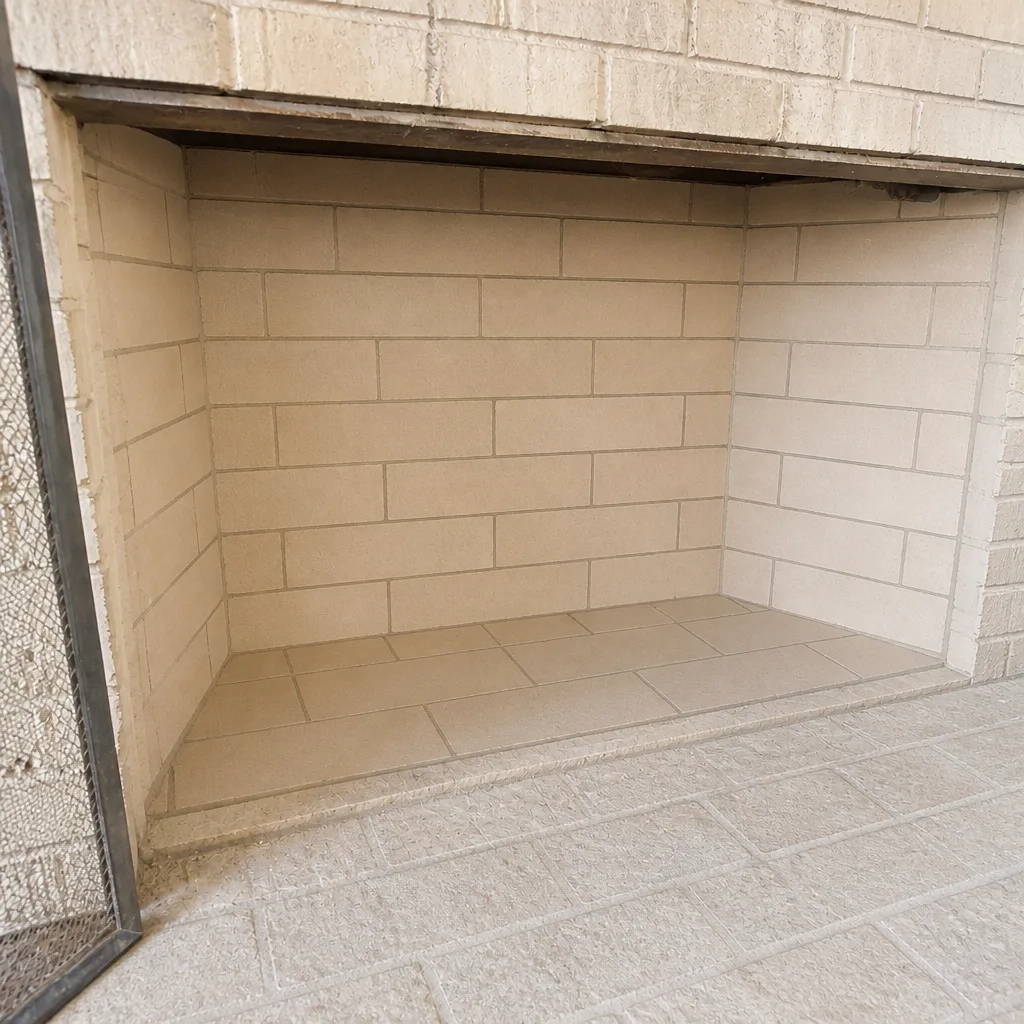
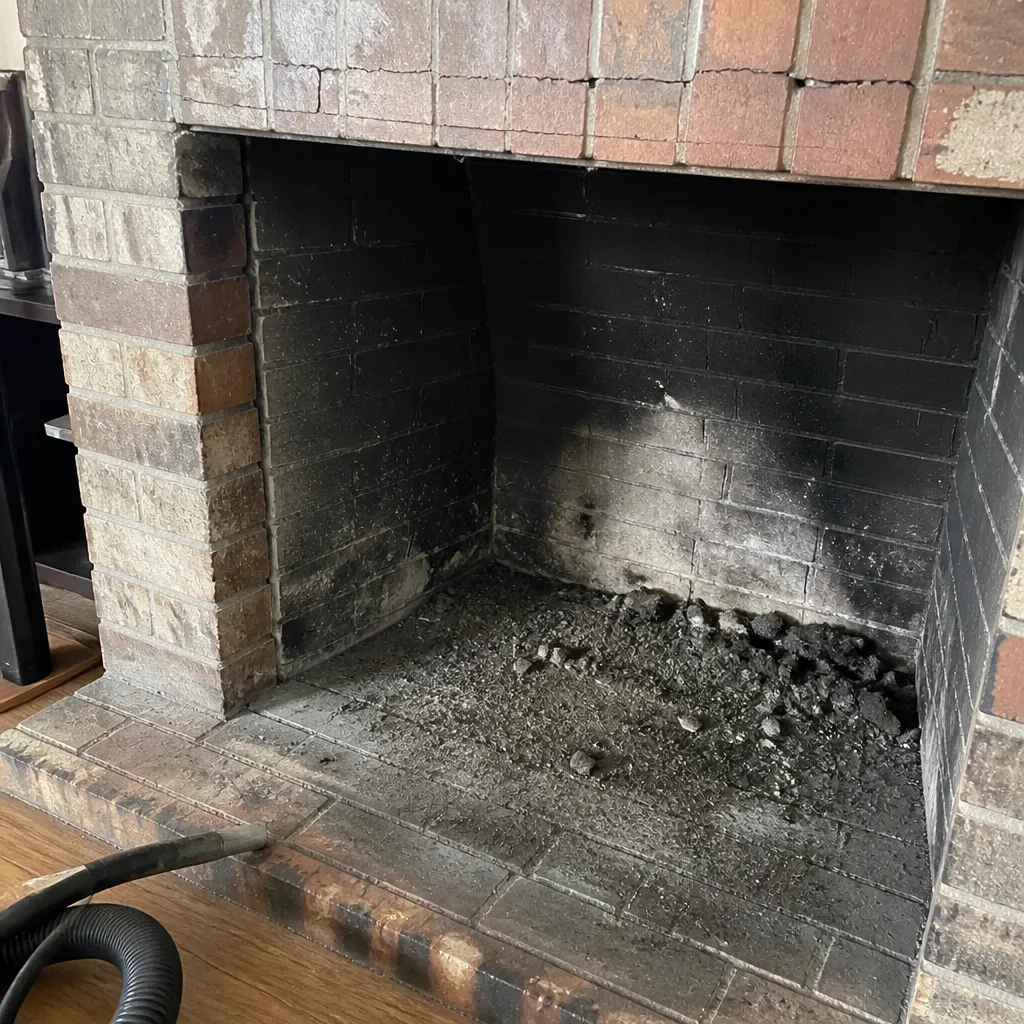 Before
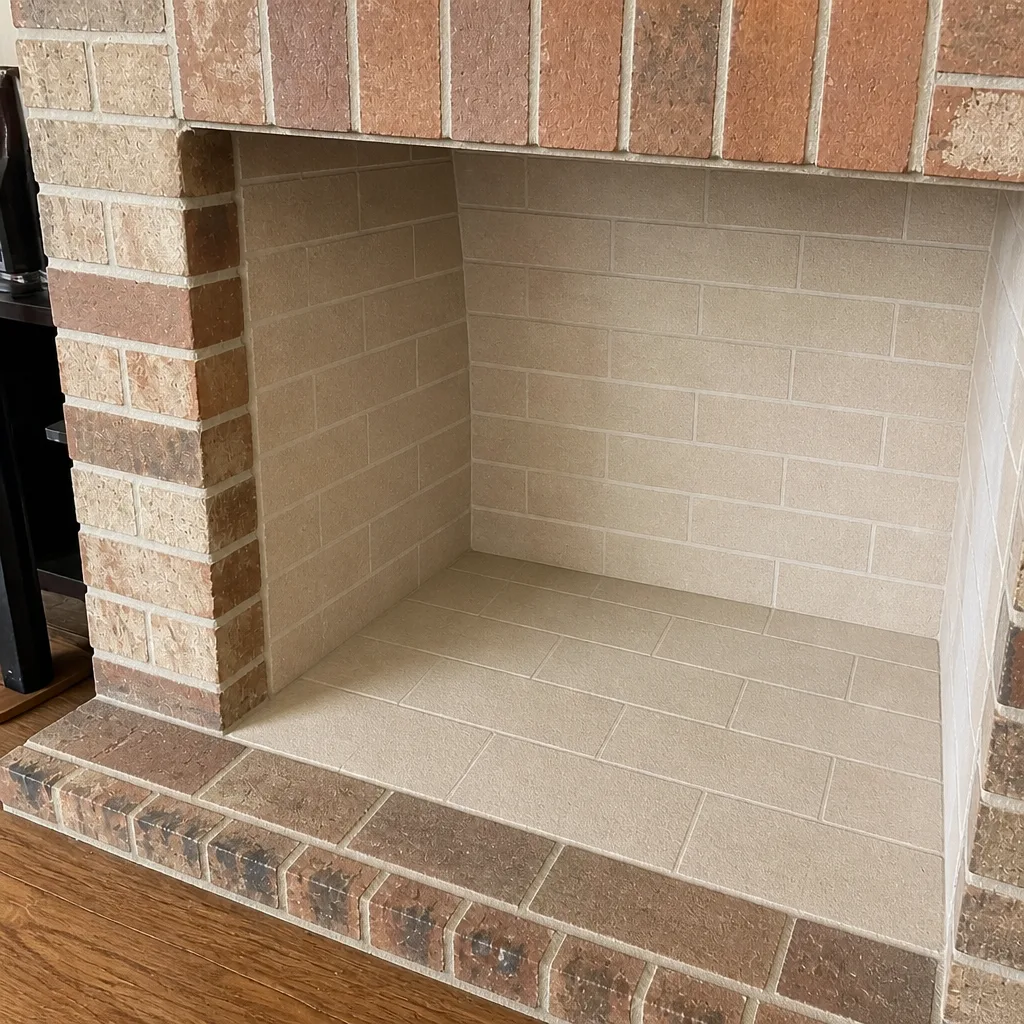 After
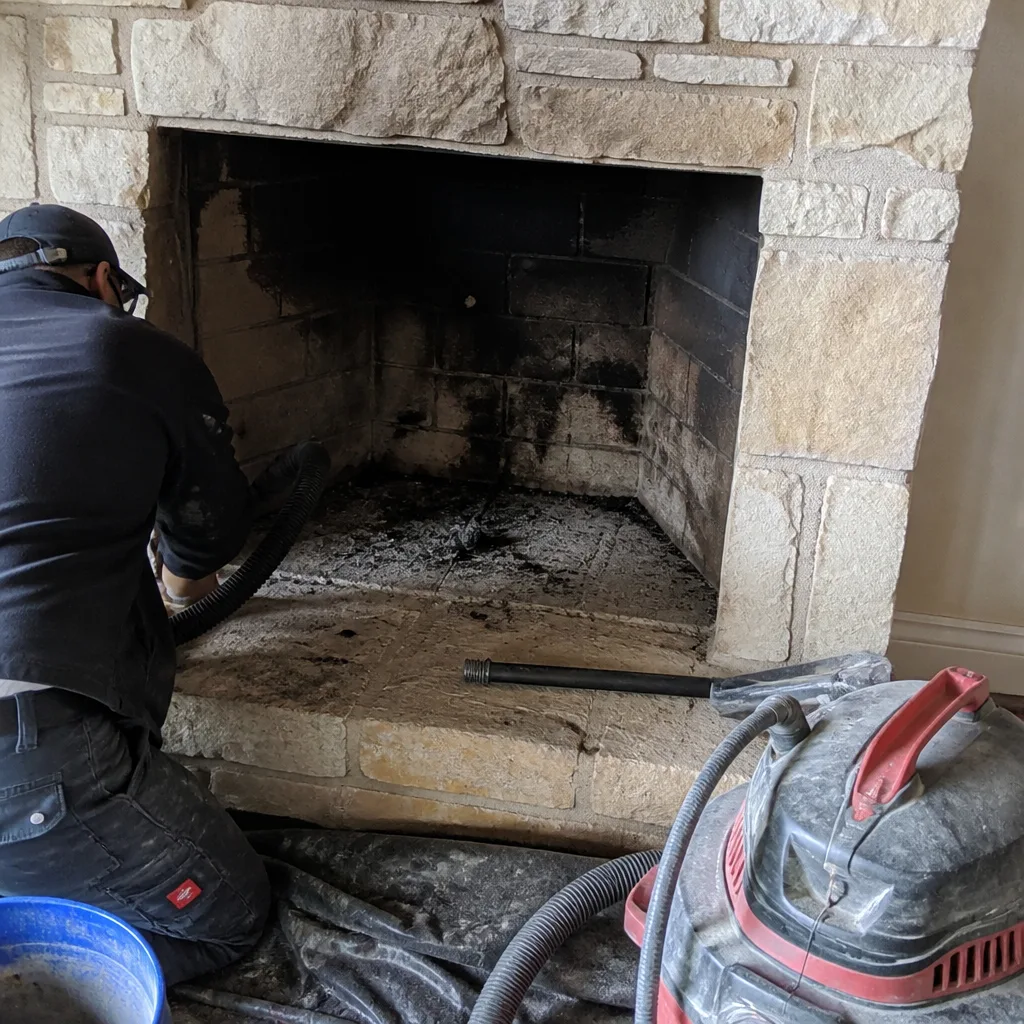
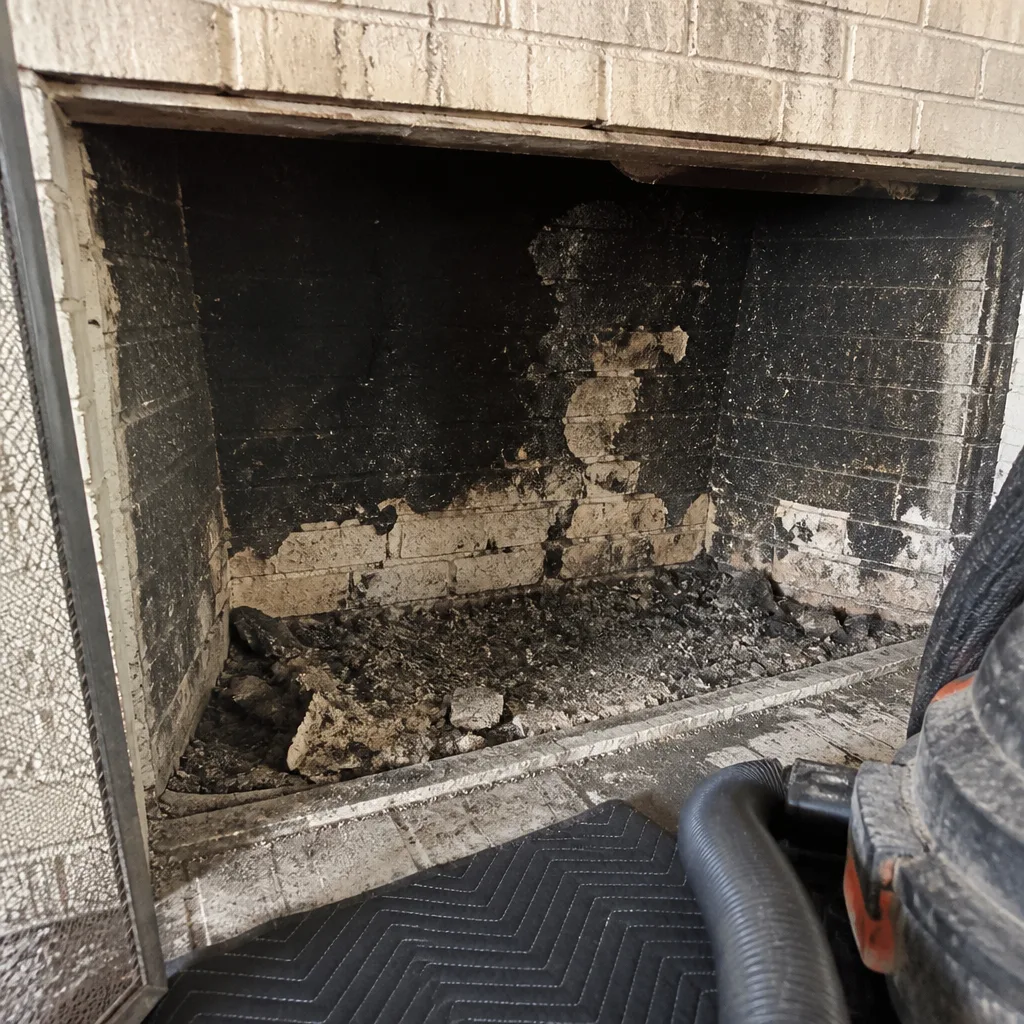 Before
 After
 Before
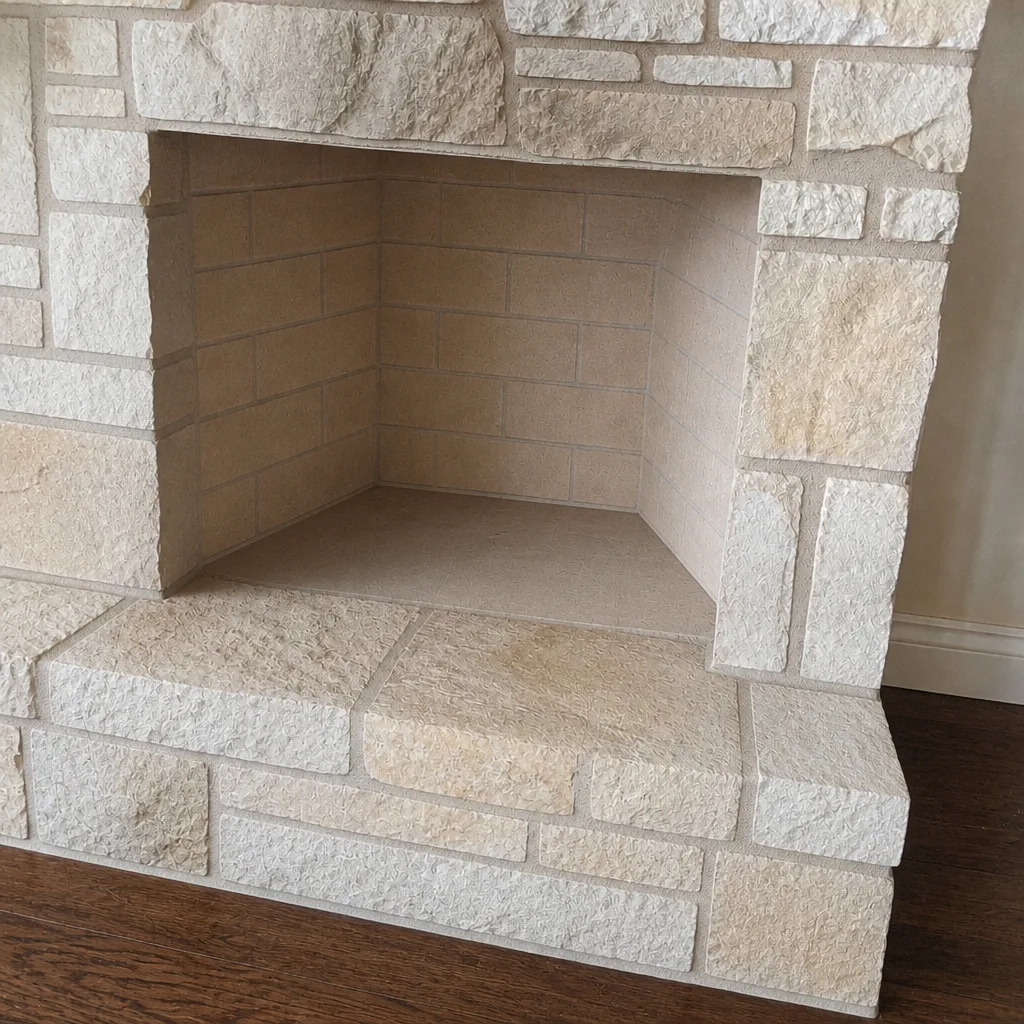 After
When to Call a Professional
Call a professional when work crosses from routine maintenance into anything that modifies the chimney system, when a permit question needs to be resolved, or when a problem shows up that a Level 1 visual can’t explain. Specific scenarios for a White Rock homeowner: a chimney that hasn’t been swept in more than a year of active burning; any visible crack in the crown, cap, or masonry; a water stain on the ceiling or wall near the chimney; the smell of smoke inside the house when the fireplace is not in use; a Level 2 inspection requested as part of a home sale; and any liner, firebox, or crown repair that a contractor has quoted without a camera scan. Those are all jobs where the answer isn’t “ignore it” or “wait” – they’re jobs where you want someone whose only job is chimneys. Chimney Sweep White Rock offers free estimates in White Rock – call (844) 877-7238. We answer 24/7. Fast dispatch from 7am to 7pm, Sunday through Friday.
Frequently Asked Questions
No. A routine chimney sweep and Level 1 visual inspection don’t require a permit in White Rock or anywhere else in Texas. Sweeping is maintenance, and maintenance falls outside the permitting trigger. If your sweep identifies a repair that would change the chimney assembly (a liner, a crown, a firebox rebuild), that’s the point where the permit question becomes relevant. Call (844) 877-7238 for an exact quote – estimates are free.
Usually yes. A liner replacement changes the flue’s material and sometimes its dimensions, which falls under the category of structural modification. Properties inside the City of White Rock limits go through the city’s building department; properties in unincorporated Dallas County go through the county. Confirm which authority governs your exact address before the job starts, not after. Call (844) 877-7238 for an exact quote – estimates are free.
NFPA 211 requires clearances between the chimney and combustible framing, a flue liner that contains combustion products, proper height and termination of the flue, and a crown and flashing that shed water away from the chimney structure. Texas adopts these provisions through local building codes rather than under the standard’s name, so enforcement happens at the city or county level, through permitting and inspection. Call (844) 877-7238 for an exact quote – estimates are free.
It can. If a chimney-caused fire claim is investigated and the adjuster finds that structural chimney work was done without a permit and without inspection, your policy’s expectation of code-compliant maintenance becomes a point of dispute. The severity depends on your policy and the specifics, but the risk is very real and easy to avoid – get a permit for any structural chimney work, keep the final inspection record, and store both with your home files. Call (844) 877-7238 for an exact quote – estimates are free.
A written scope, before-and-after photos (camera images of the flue interior included), the permit number and final inspection date if a permit was pulled, the Level 2 inspection report if one was performed, and material certifications from the product brand. Assume the documentation matters at resale, because a White Rock home sale involves a buyer’s inspector looking at exactly that. Call (844) 877-7238 for an exact quote – estimates are free.
Once a year for a Level 1 visual, alongside an annual sweep during active burning seasons. A Level 2 with camera scan is appropriate after any chimney fire, after any structural work, or before listing a home for sale. If your chimney is gas, the schedule is the same – gas appliances still need annual inspection, and the risks are different but not absent. Call (844) 877-7238 for an exact quote – estimates are free.
The Bottom Line
Chimney cleaning doesn’t need a permit in White Rock. Anything that changes the chimney’s structure does – relining, firebox rebuild, crown replacement, a cap change that alters flue termination – and the permit comes from the City of White Rock or Dallas County depending on the address. NFPA 211 is what local inspectors reference, and unpermitted work creates a real insurance and resale exposure. Document everything: the scope, the photos, the permit, the final inspection. If you’re not sure which side of the line a job falls on, get the system scoped by a chimney-only specialist first. Chimney Sweep White Rock handles the whole system – inspection, sweep, cap and crown, fireplace, and chimney repair – and every visit includes a photo report and a written estimate you can act on. Call (844) 877-7238 for a free estimate. We answer 24/7. Fast dispatch from 7am to 7pm, Sunday through Friday.
Written by the team at Chimney Sweep White Rock.