
Last updated November 25, 2026
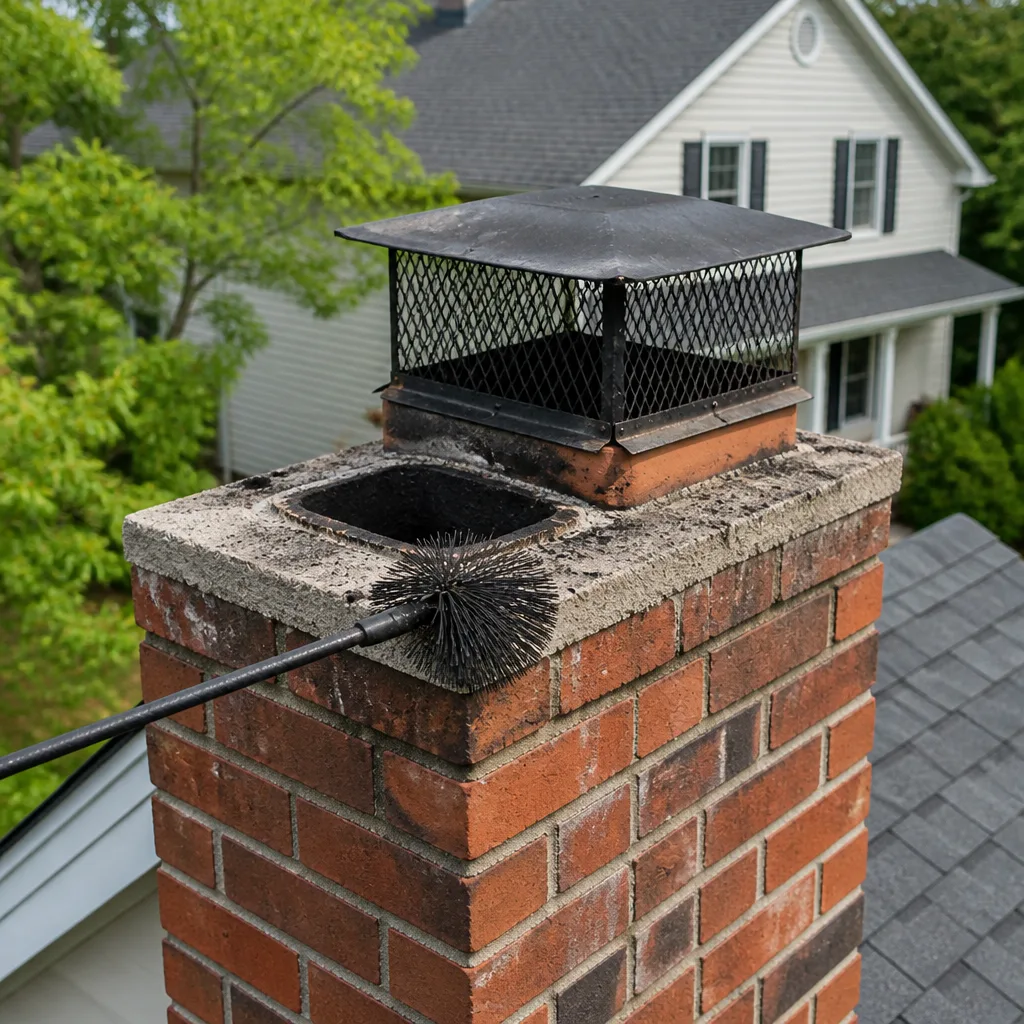 Sweep & inspection
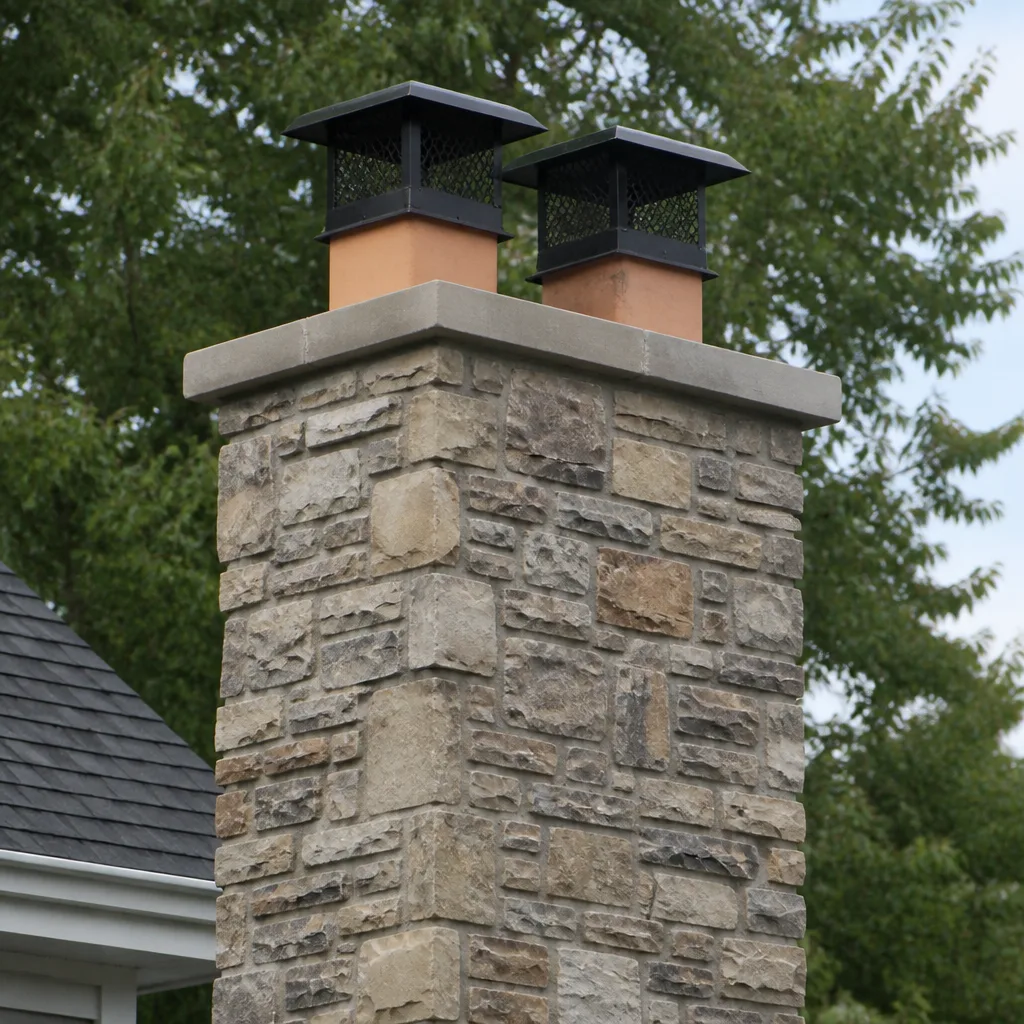 Caps & crowns
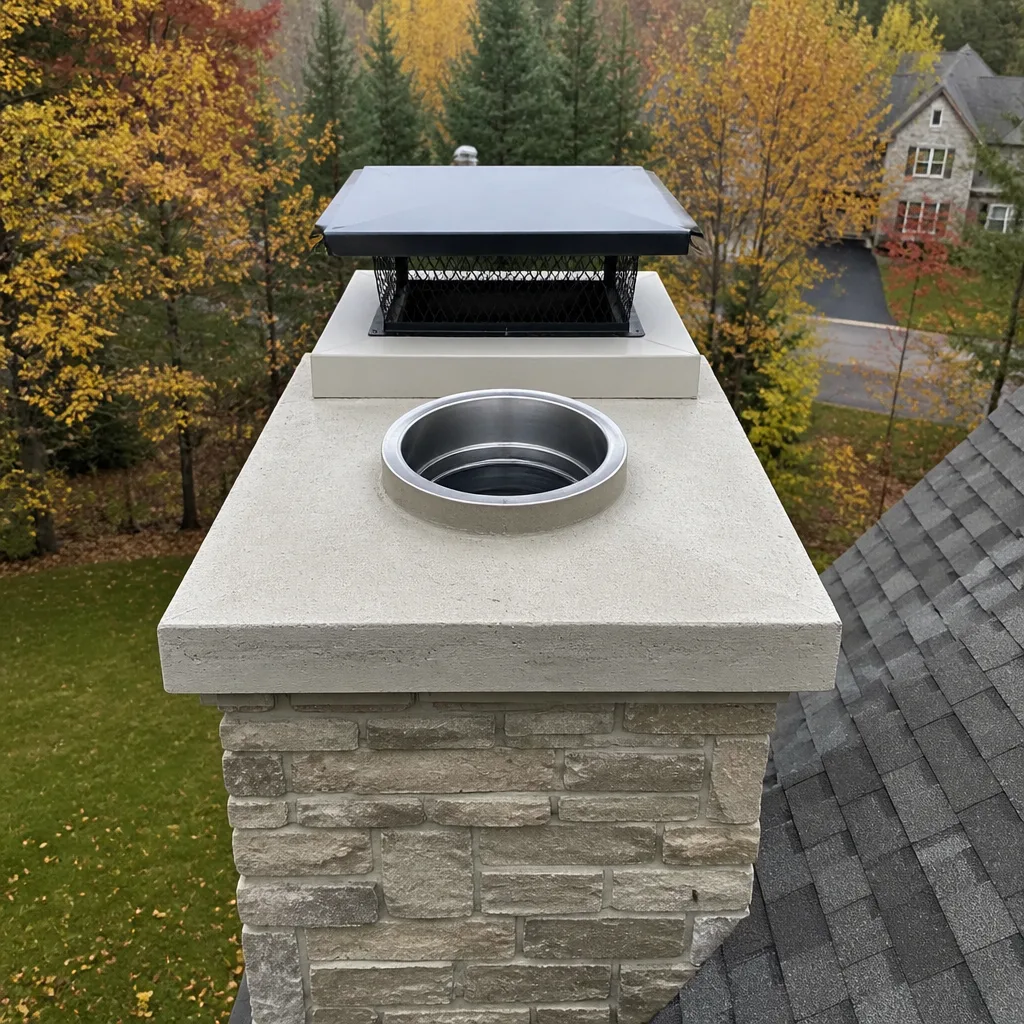 Flue relining
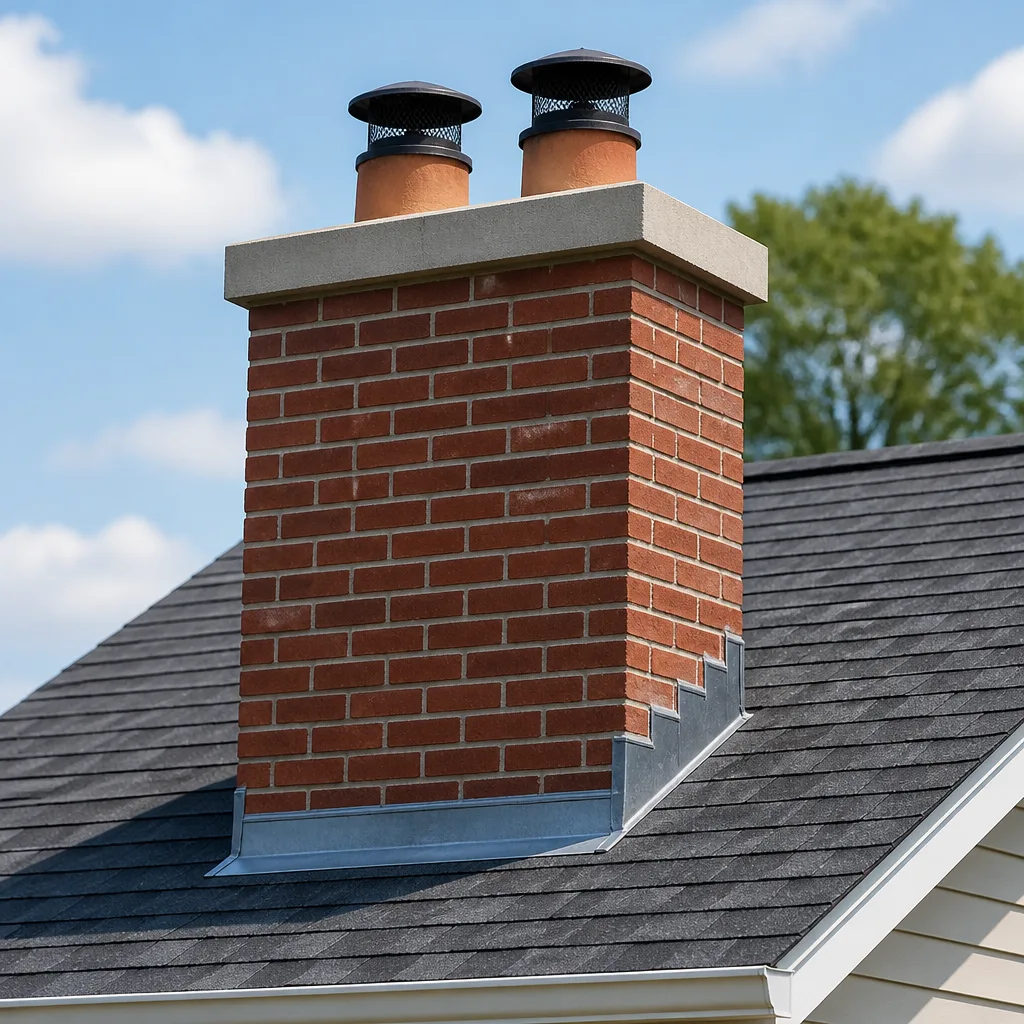 Masonry repair
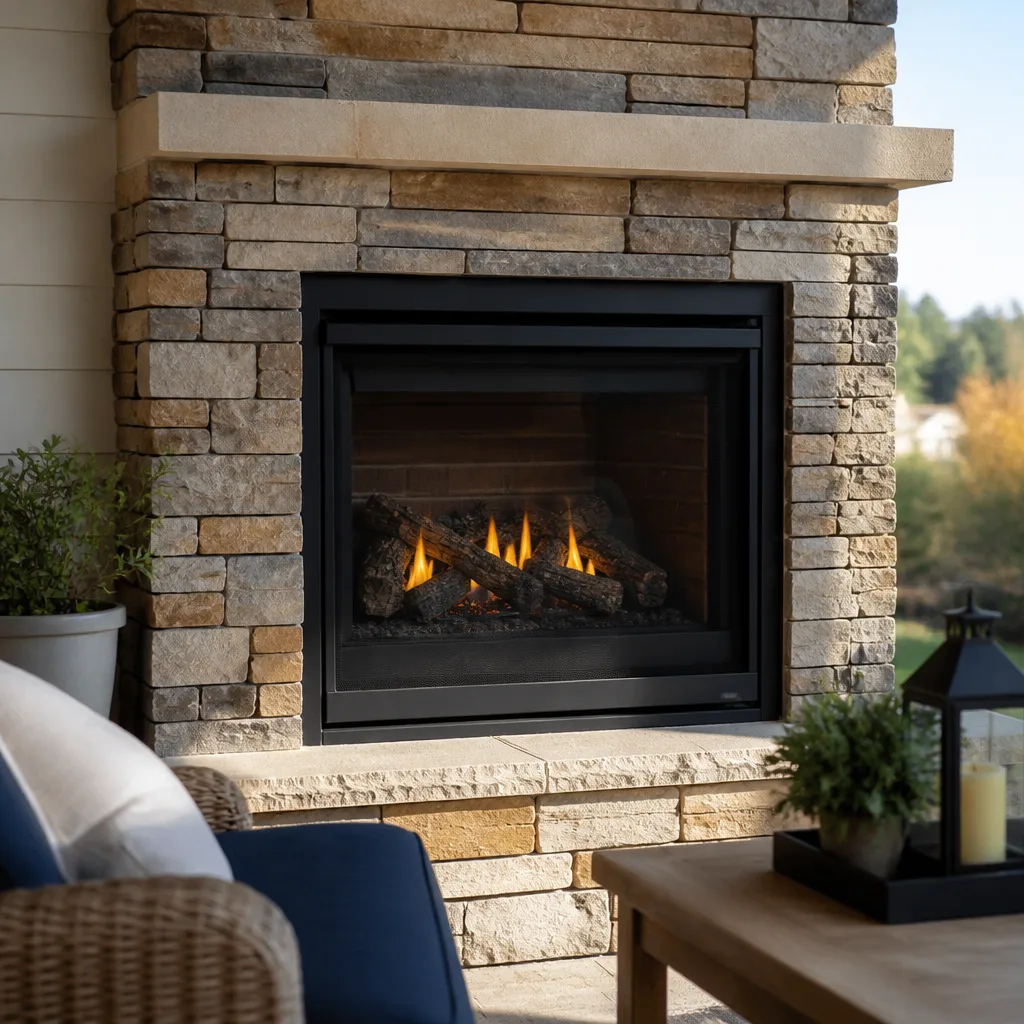 Gas fireplace service
Level 1 sweep and inspection to the NFPA 211 annual standard - flue, crown, cap, and flashing checked and photographed
Chimney sweep logs do not sweep chimneys. They loosen some creosote - which then falls where a brush and vacuum still have to collect it.
The Complete Guide to Chimney Cleaning in White Rock
Most people assume a chimney cleaning is one job: brush the flue, sweep the ash, done. That assumption is where a lot of chimney problems start. Your chimney is a system with four distinct zones – firebox, smoke chamber, flue and liner, and the exterior crown and cap – and each one collects a different kind of deposit on its own schedule. In White Rock, where heavy clay soil shifts foundation movement into masonry over time and our long burn season keeps a fire going well into the cooler months, those differences matter. This guide walks through the whole system so you know what’s actually being cleaned, what’s being missed, and how to tell the difference.
Quick Answer
A proper chimney cleaning in White Rock means sweeping the full flue of creosote and soot, checking the liner for cracks or gaps, inspecting the smoke chamber and firebox, and confirming the cap and crown are keeping water out – not just running a brush up the flue. Most homes burning wood regularly need this once a year, and homes with heavy use or older clay-tile liners may need a closer look sooner. A cleaning without an inspection is half the job.
Styles & brands we work with
- Sweep & inspection
- Caps & crowns
- Flue relining
- Masonry repair
- Gas fireplace service
Table of Contents
- The Anatomy of a Full Chimney System
- How White Rock’s Burn Season and Humidity Affect Cleaning Frequency
- Level 1, 2, and 3 Inspections: What Each One Covers
- Why Clay-Flue Tile Liners Age Differently Than Stainless Steel
- What a Full-System Specialist Checks That a Generalist Skips
- How a Professional Chimney Cleaning Actually Works
- What Chimney Cleaning Costs in White Rock
- How Often Should You Schedule a Cleaning?
The Anatomy of a Full Chimney System
Think of the chimney as four working zones stacked from the fire up. What collects in each one is chemically different, and treating them as a single cleaning task is how deposits get missed.
- Firebox and damper. This is where soot accumulates fastest. Soot is fine, dry and acidic – left on masonry, it holds moisture against the brick face and dulls the firebox over time.
- Smoke chamber. The sloped shelf above the damper. It’s the most overlooked zone in a chimney because it’s hard to reach, and it’s where creosote glazes and hardens into a tarry layer that a standard brush won’t touch.
- Flue and liner. The vertical passage. Creosote builds here in three forms – powdery, flaky, and glazed – depending on how hot the fire burns and how much moisture the wood carries. Glazed creosote is the dangerous form and the hardest to remove.
- Cap, crown, and flashing. The exterior roof line. These don’t collect combustion deposits, but they collect water, and water is the leading cause of structural chimney damage in this part of Texas.
Each zone has its own cleaning method and its own inspection checklist. A generalist sweep who only brushes the flue addresses one zone and leaves three unexamined. When we handle the full chimney system, we cover all four on every visit, because that’s the only way to catch a problem at the stage where it’s still cheap to fix.
If you want to see what this looks like as a standalone service, our Chimney Sweep White Rock page breaks down the routine visit.
How White Rock’s Burn Season and Humidity Affect Cleaning Frequency
The national rule of thumb is one cleaning per year. In White Rock, that rule needs adjusting in both directions. Our winters are mild enough that fireplaces get real use without the deep freezes that shut down burn seasons further north, which means a longer active season for many homeowners. And the humidity here is high enough through the spring and summer that any creosote left in the flue has months to absorb moisture, soften, and settle into masonry.
Three local factors push cleaning frequency:
- Burn season length. Cooler evenings stretch from late fall into early spring. Homes that run a fire several nights a week across that span build creosote faster than the once-a-year rule assumes.
- Fuel quality. Wood that hasn’t been seasoned properly burns cooler and wetter, and that produces more creosote per cord. If you’re not sure your firewood is dry, your chimney is working harder than it should.
- Humidity between seasons. Soot and creosote that sit through a humid summer can corrode a steel liner at the seams and stain the masonry face inside the firebox. A chimney that was fine at the end of the burn season can be genuinely worse by fall.
In practice, that means a White Rock homeowner with an active wood-burning fireplace should expect an annual cleaning and a closer inspection every few years, and a home with a gas log set still needs the flue checked – gas appliances vent differently but they’re not maintenance-free.
Level 1, 2, and 3 Inspections: What Each One Covers
Inspection levels come from the CSIA (Chimney Safety Institute of America) and they’re not interchangeable. Knowing which one you need prevents paying for either too little or too much.
- Level 1 – routine visual. Covers the readily accessible portions of the chimney: firebox, damper, visible flue interior, and exterior. This is the standard inspection that pairs with an annual cleaning. It’s the right call when nothing has changed in how the chimney is used.
- Level 2 – accessible with video. Adds a camera inspection of the flue and checks areas the naked eye can’t reach. This is the correct level when you’ve had a chimney fire, a liner replacement, a change in fuel type or appliance, or when you’re buying a home. It’s also the level that catches a cracked clay tile before the crack has opened into a gap.
- Level 3 – diagnostic. Involves opening concealed areas of the chimney or structure when a Level 2 finds something serious. It’s rare, and it’s the stage where a specialist and a homeowner need to talk through options before any wall comes open.
Most White Rock homes will live in Level 1 and Level 2. The gap between them is where a lot of problems hide: a Level 1 inspection looks at what’s visible, and a cracked liner behind a bend in the flue isn’t visible. If you’ve never had a camera inspection of your flue, it’s worth asking for one, especially on a home with a clay-tile liner.
Why Clay-Flue Tile Liners Age Differently Than Stainless Steel
Many older White Rock homes were built with clay-flue tiles, stacked and mortared into the chimney. It’s a durable material in many ways, but it ages differently from stainless steel, and the difference matters when you’re deciding whether to repair or reline.
- Clay is rigid. It doesn’t flex. As masonry shifts with our clay-heavy soil, the tile joints can crack along the mortar seams – and a hairline crack is an open path for heat and carbon monoxide into the structure.
- Clay can’t be patched piecemeal forever. Individual cracked tiles can sometimes be addressed, but once the joints fail across several tiles, the liner needs a different solution.
- Stainless steel flexes with the chimney. An insulating stainless product like a DuraFlex liner moves with movement instead of cracking against it, and it’s the standard replacement for a failed clay flue.
- There’s a middle option. HeatShield is a restoration system that resurfaced a deteriorating clay liner where the structure is still sound – a way to extend the life of an aging liner without a full replacement in the right situation.
That last point is worth knowing because a lot of sweep companies don’t offer liner restoration at all – they jump straight to replacement. In our experience, the right call depends on the condition of the tiles and what the camera shows, not on the age of the house.
What a Full-System Specialist Checks That a Generalist Skips
The practical difference between a chimney specialist and a generalist who sweeps as a side service shows up in what gets checked, not just what gets cleaned. A generalist handles the flue brush and leaves. A specialist runs the full system.
What we check on a full-system visit
- Smoke chamber and damper. Sloped surfaces, creosote glaze, and whether the damper seats and operates properly.
- Liner integrity. Full flue inspection for cracks, gaps, and joint failure. We use camera inspection so you can see what we see – nothing gets recommended that isn’t visible in the evidence.
- Cap and crown. Cracks in the crown, rusted or missing caps, and whether the cap is sized correctly for the flue. A cap is the cheapest moisture protection you can add.
- Flashings. The roof seal around the chimney – the typical source of slow leaks that show up as interior staining months later.
- Combustion appliance venting. Whether the flue is sized and configured correctly for what it actually vents.
- Creosote condition, not just volume. Glazed creosote needs a different removal approach than powdery creosote.
Because we handle every one of these services under one roof – sweep, inspection, chimney cap & crown work, and fireplace repair – a problem found during inspection doesn’t require a second contractor. The same specialist team diagnoses and repairs. When a repair calls for a specialty component, we source it from the professional lines we work with – Olympia Chimney and Famco among them – rather than working around what’s available.
How a Professional Chimney Cleaning Actually Works
A professional chimney cleaning is a controlled process, not a quick brush. The goal is to remove combustion deposits without spreading soot through the home and to leave with a written record of what the system looks like.
- Protect the room. Drop cloths and a sealed work area keep soot out of the living space.
- Inspect first. A quick assessment before cleaning tells us what we’re dealing with – glazed creosote, a damaged tile, an unfamiliar appliance.
- Sweep the flue. Proper brushes and rods for the flue type. This is the visible, satisfying part, but it’s one step.
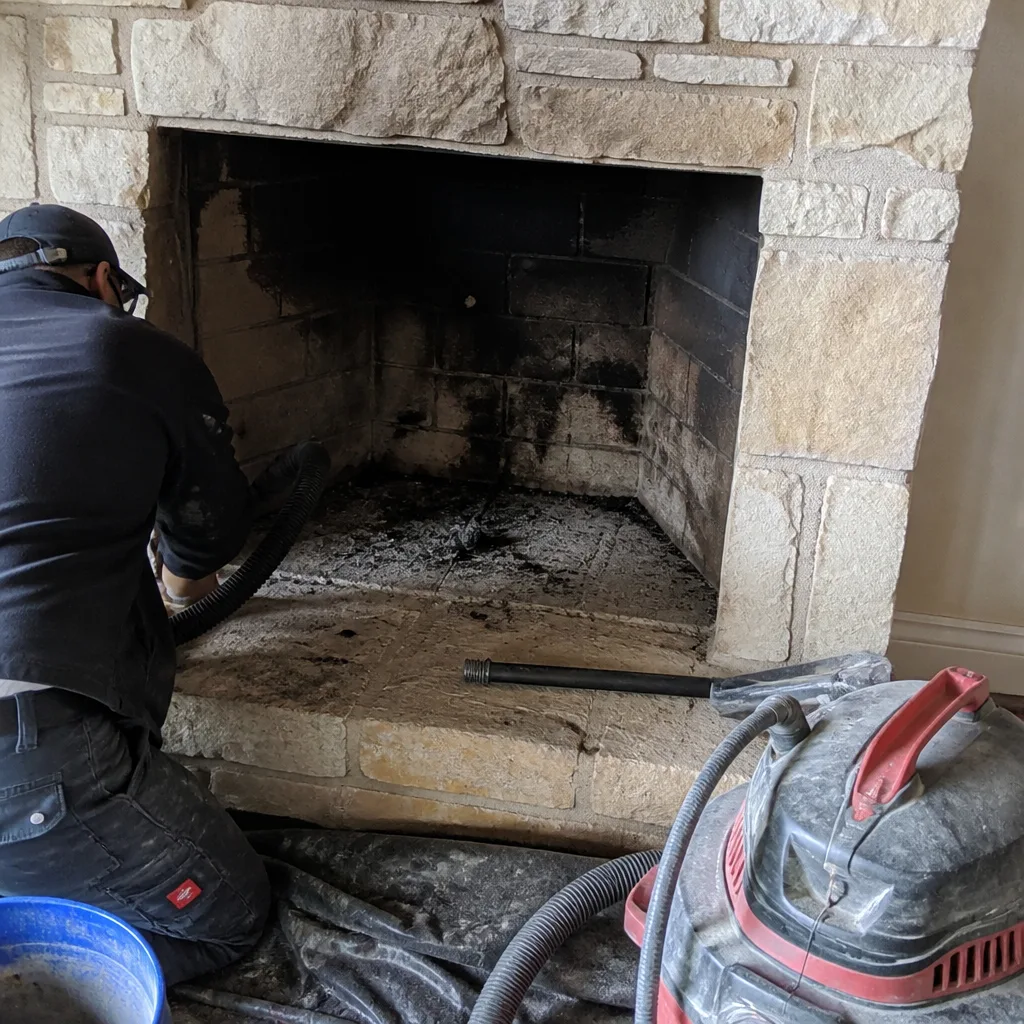
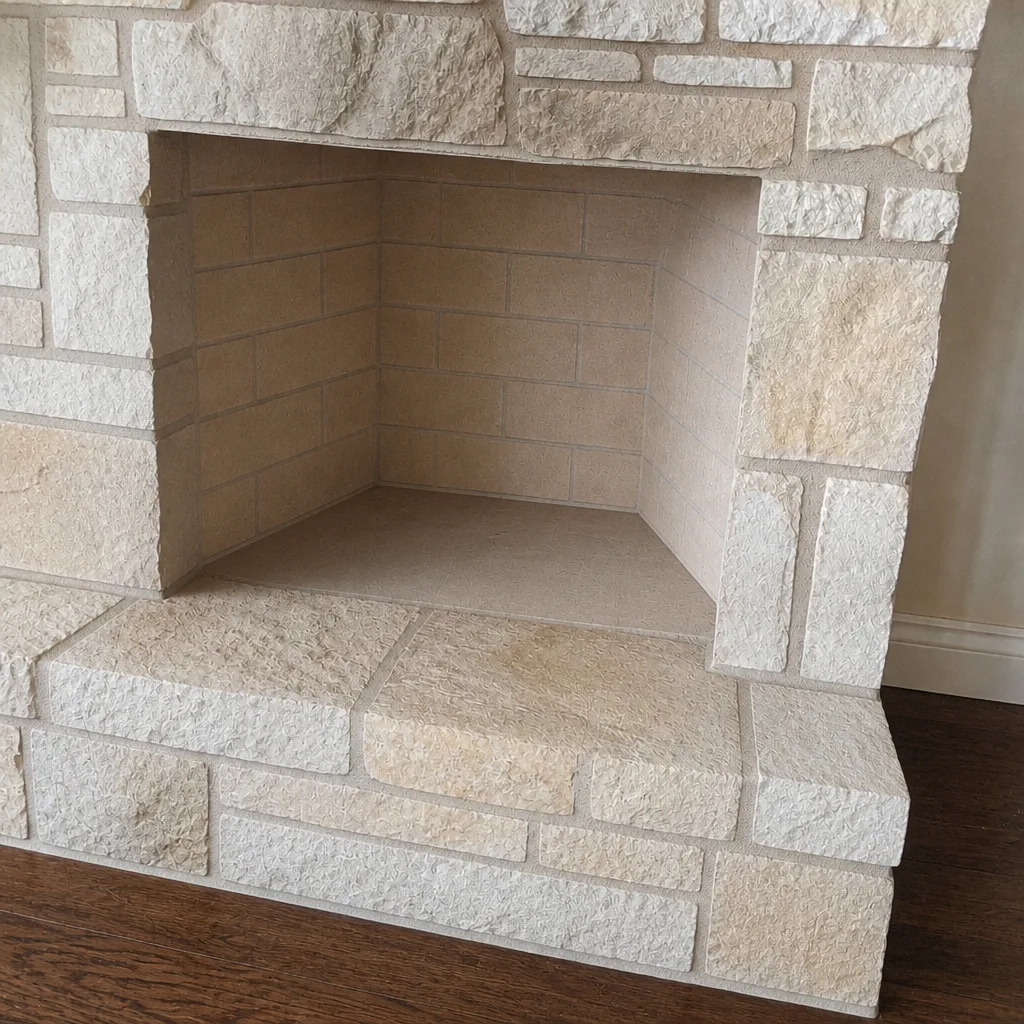
- Clean the firebox and smoke chamber. The zone most cleanings skip. Soot and glaze here get cleared properly.
- Camera the flue. A short video inspection confirms the interior condition after sweeping – you get to see it.
- Check the exterior. Cap, crown, and flashing on the roof.
- Report. You get a clear summary of what’s sound, what needs attention, and what can safely wait.
What Chimney Cleaning Costs in White Rock
Chimney cleaning pricing varies with the condition of the chimney and what the inspection finds. A straightforward routine sweep is one thing; a chimney with heavy glazed creosote, a cracked liner, or a damaged crown is another. The honest way to price this is by written estimate after the chimney has been inspected, not over the phone.
Typical ranges in the White Rock market look like this:
- Routine sweep and Level 1 inspection: standard single-flue cleaning, no surprises found.
- Sweep with Level 2 camera inspection: adds video of the flue, the right call on an older home or a first-time visit.
- Creosote removal, heavier buildup: glazed or heavily deposited flues take more time and different tools.
- Crown or cap repair: priced separately, and often cheaper than the masonry repair that a leaking crown leads to.
Every estimate is free and written, and the estimate sets the final price – not a range quoted before anyone has looked at your chimney. A specialist who quotes you a firm number before seeing the flue is guessing. Learn more about our chimney sweep service and what a visit includes.
How Often Should You Schedule a Cleaning?
For most White Rock homes with an active wood-burning fireplace, once a year is the baseline. That changes with use: a home running fires several nights a week through the cooler months should be inspected annually and cleaned when the inspection calls for it, and a home that’s moved to gas should still have the flue checked, because gas appliance venting has its own requirements.
There’s a simple way to think about it: a chimney should be inspected at least once a year and cleaned whenever the inspection shows enough deposit to matter. Skipping a year isn’t catastrophic, but skipping several in a humid climate is how a liner problem turns into a masonry problem.
Common Mistakes to Avoid
- Hiring a generalist who sweeps as a side job. They can run a brush, but they often can’t diagnose a liner crack or source the right component to fix it. You end up with a cleaning and an unsolved problem.
- Treating the flue as the whole chimney. The smoke chamber and firebox collect their own deposits and rarely get cleaned by a generalist. The surface looks clean; the system isn’t.
- Burning unseasoned wood to save money. Wet wood produces more creosote and cooler fires. It’s the most common self-inflicted chimney problem we see.
- Ignoring the crown and cap. A cracked crown lets water in slowly. The eventual repair is always larger than the cap would have been.
- Assuming a gas fireplace needs no attention. Gas vents differently, but the flue still needs checking – blockages, venting condition, and cap integrity all apply.
- Waiting for a chimney fire. A chimney fire is often quiet. The damage is frequently discovered later, during an inspection, when the liner is already compromised.
- Skipping the camera inspection on an older home. Clay-tile liners in older White Rock homes crack at the joints, and cracks aren’t visible from the firebox.
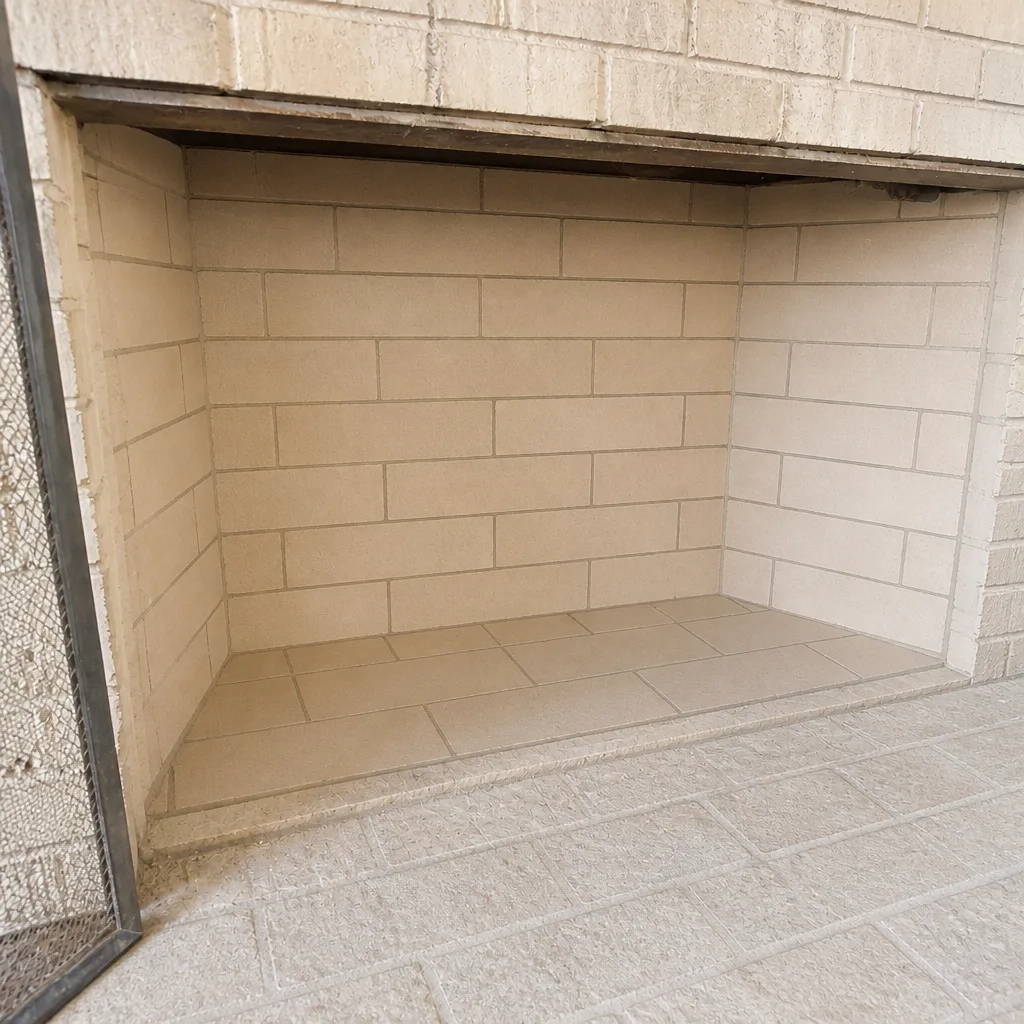
See the difference
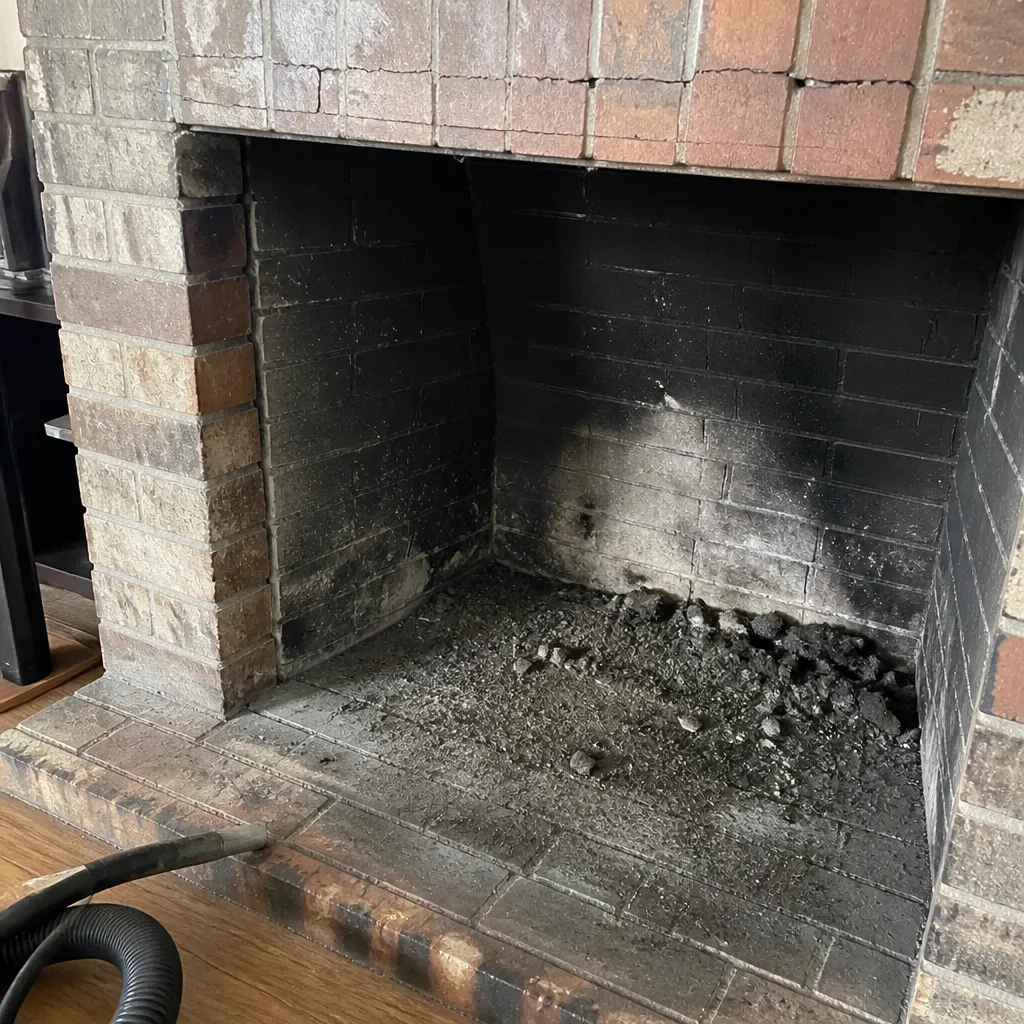 Before
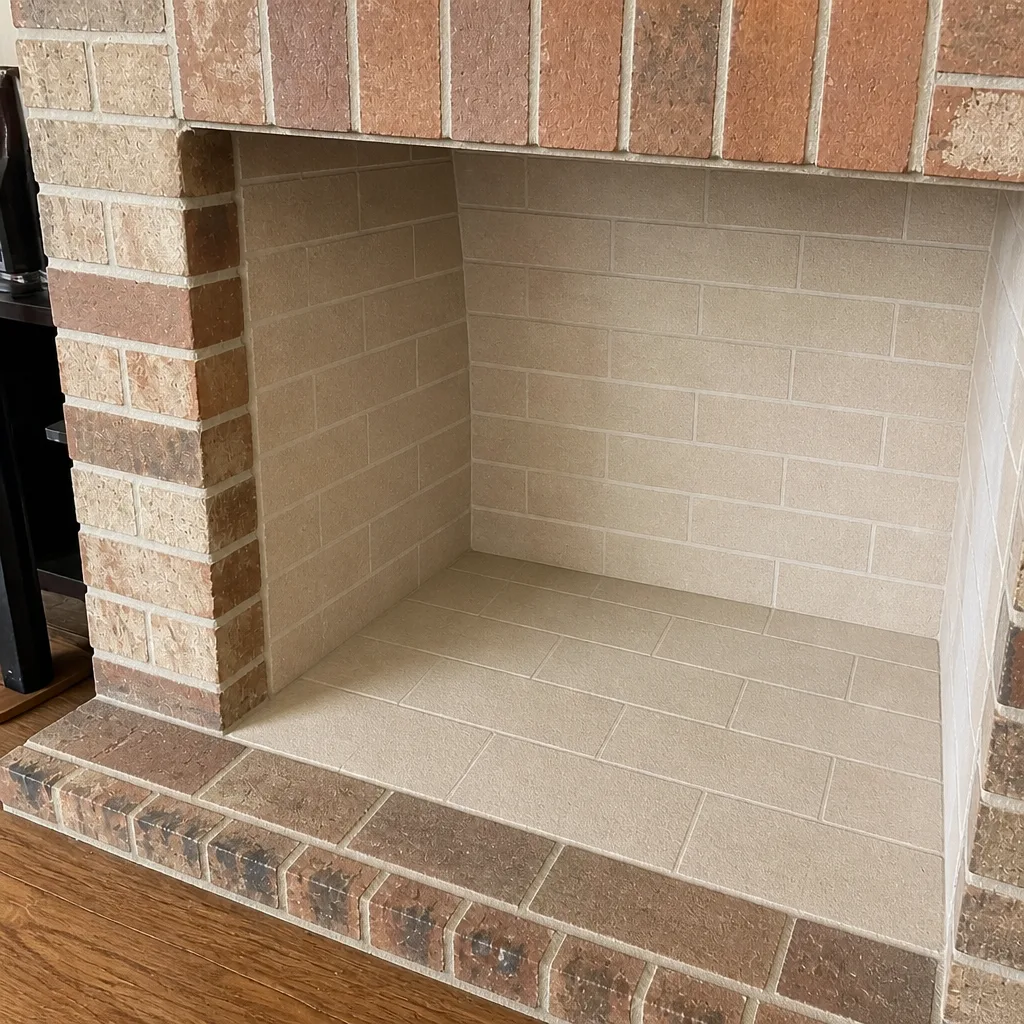 After
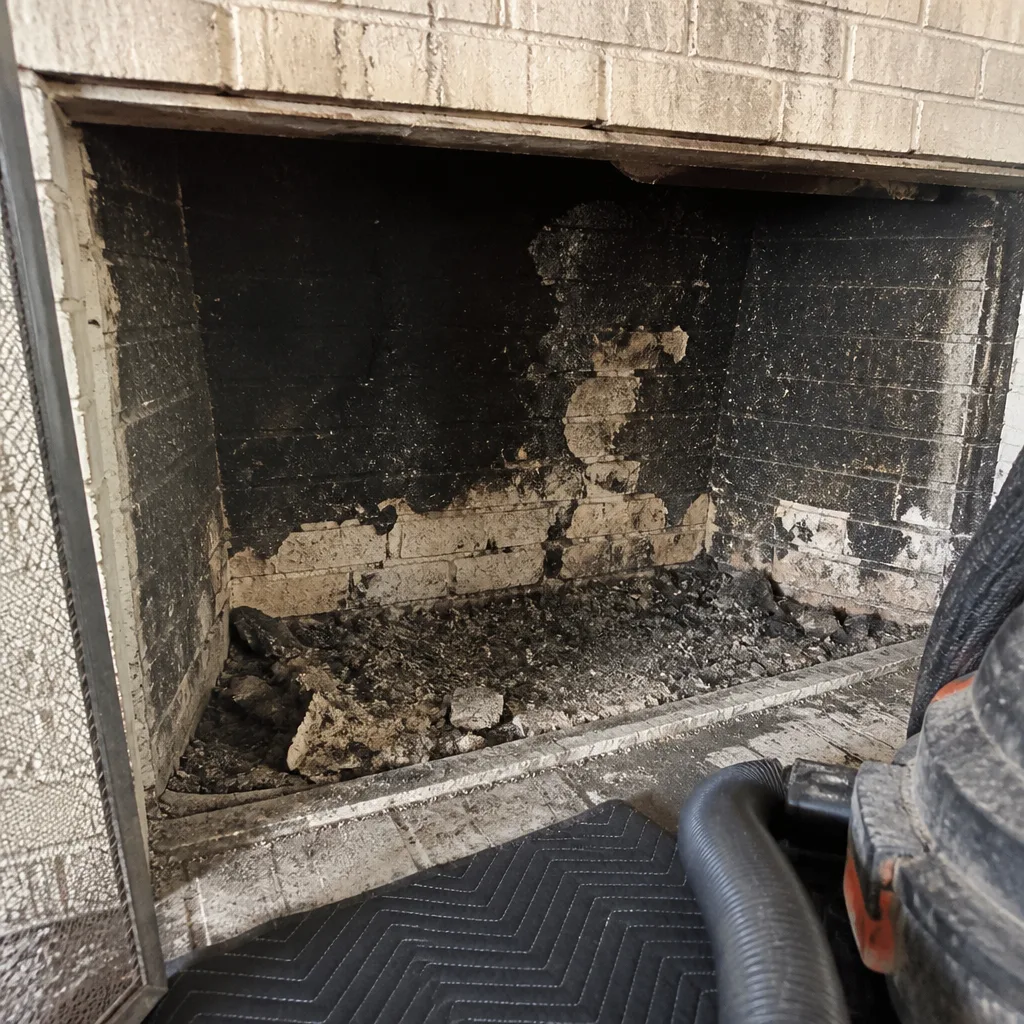 Before
 After
 Before
 After
When to Call a Professional
Call a chimney specialist when you’ve had a chimney fire, even a small one you suspect happened. Call when you see staining on the chimney exterior or the ceiling near it, when the firebox has visible cracks, when smoke comes back into the room, or when you’ve just bought a home with a chimney you know nothing about. Call if your liner is clay and you’ve never had it camera-inspected. And call for the routine annual cleaning even when nothing is wrong – the inspection is how problems get caught at the cheap stage. Chimney Sweep White Rock offers free estimates in White Rock. Call (844) 877-7238.
Frequently Asked Questions
A routine sweep with a basic inspection is typically the lowest-cost visit, and the price goes up when the inspection finds heavy creosote, a damaged liner, or crown work that needs to be done. We give you a free written estimate after looking at the chimney, and that estimate sets the final price. Call (844) 877-7238 for an exact quote – estimates are free.
Not always. Whether you need a new liner depends on what the camera shows: cracked clay tiles, failed joints, or a liner that’s no longer sized correctly for the appliance. Some deteriorating clay liners can be resurfaced with HeatShield instead of replaced, depending on the condition of the structure. We show you the evidence before recommending anything. Call (844) 877-7238 to book an inspection.
Once a year for most White Rock homes with an active fireplace, and more often if you burn heavily through the cooler months or your wood isn’t well seasoned. The rule is really “inspect annually, clean when the inspection calls for it.” Call (844) 877-7238 to schedule.
Creosote builds up in the flue, and in its glazed form it’s the fuel that chimney fires burn. Skipping cleaning also means skipping the inspection, which is how a cracked liner or a failing crown goes unnoticed until it’s a bigger repair. It’s not about a dramatic worst case – it’s about small problems becoming expensive ones. Call (844) 877-7238 to get on the schedule.
Yes, and it should still be checked. Gas fireplaces vent differently and produce different deposits than wood, but the flue, venting, and cap all still need inspection for blockages and condition. Call (844) 877-7238 to book a visit.
You usually can’t tell from the firebox – cracks often form along the joints behind a bend in the flue. A camera inspection is the only reliable way to know, and a Level 2 inspection covers it. If you’ve never had one on an older White Rock home, it’s worth doing. Call (844) 877-7238.
The Bottom Line
A chimney is four zones, not one, and each zone fails differently. In White Rock, the long burn season and humid springs mean creosote and soot need an annual cleaning, while the clay-tile liners common in older homes need a camera inspection to catch what the eye can’t. The cap, crown, and flashing protect the whole structure from water, and the smoke chamber is the zone most cleanings skip. A true specialist handles the full system – cleaning, inspection, and repair – so a problem found is a problem fixed. That’s the difference between a sweep and a chimney specialist.
Call Chimney Sweep White Rock at (844) 877-7238 for a free estimate. We answer 24/7. Fast dispatch from 7am to 7pm, Sunday through Friday.
Written by the team at Chimney Sweep White Rock.