
Last updated November 25, 2026
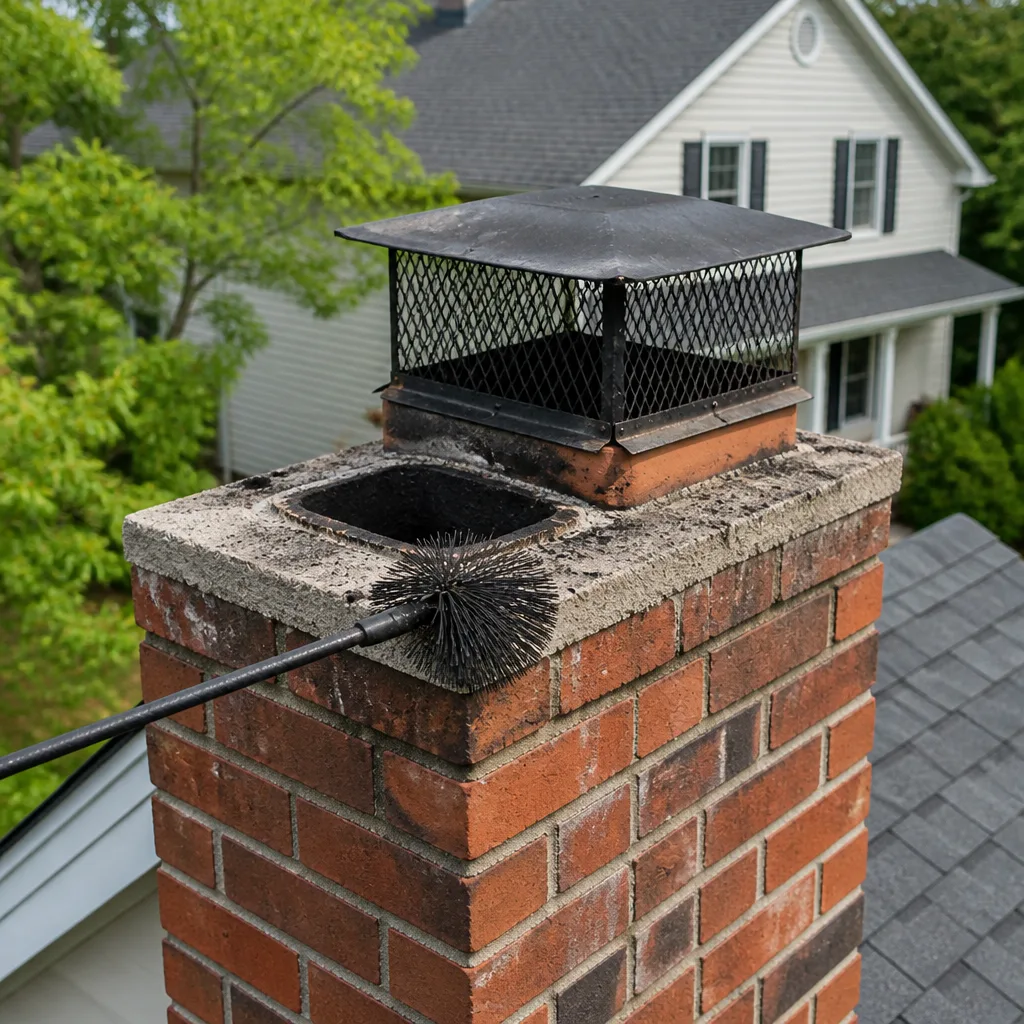 Sweep & inspection
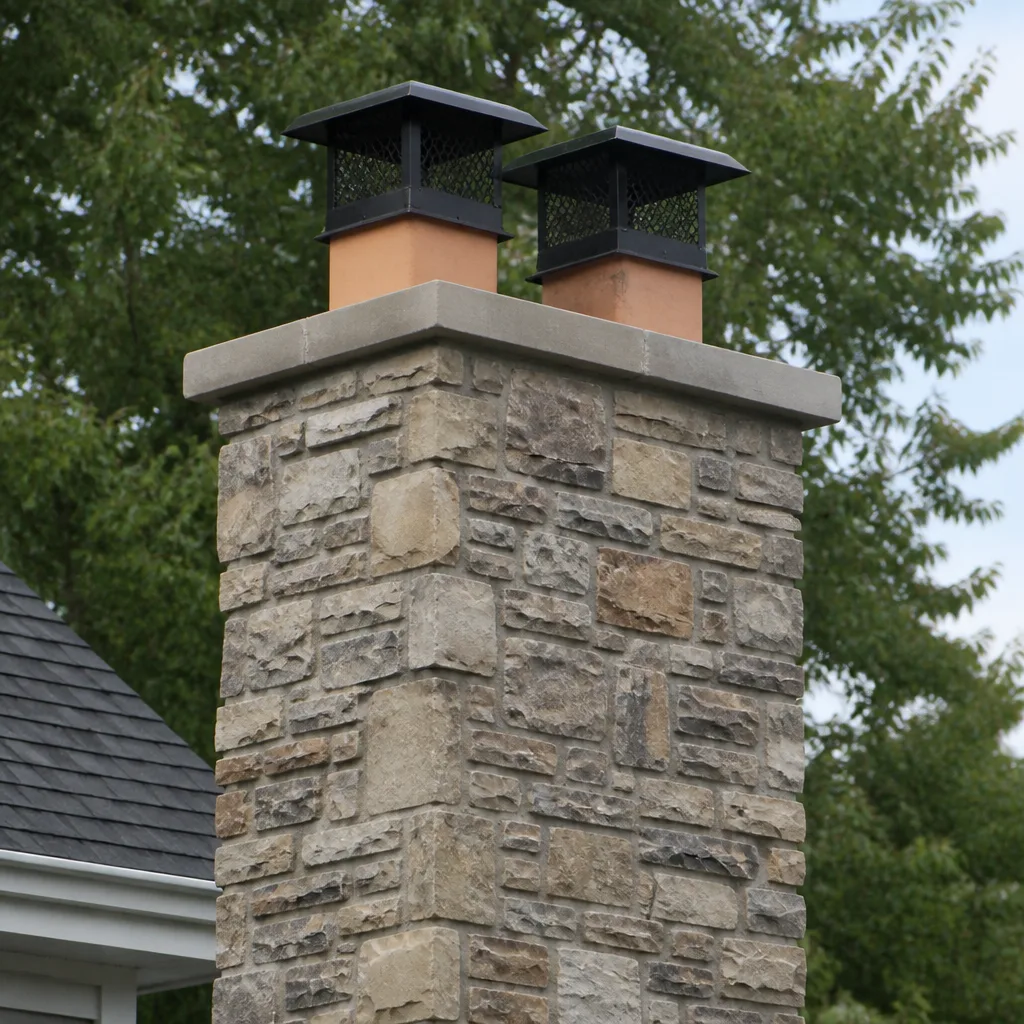 Caps & crowns
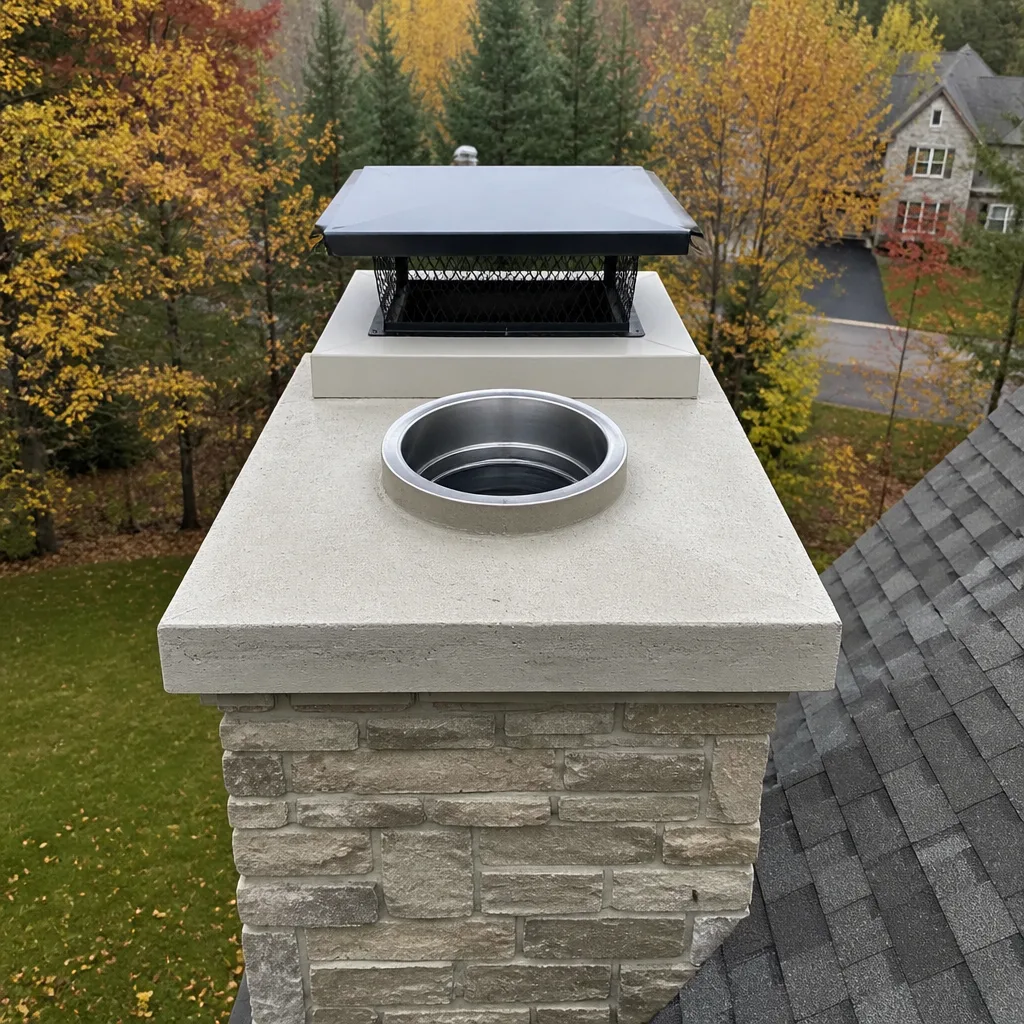 Flue relining
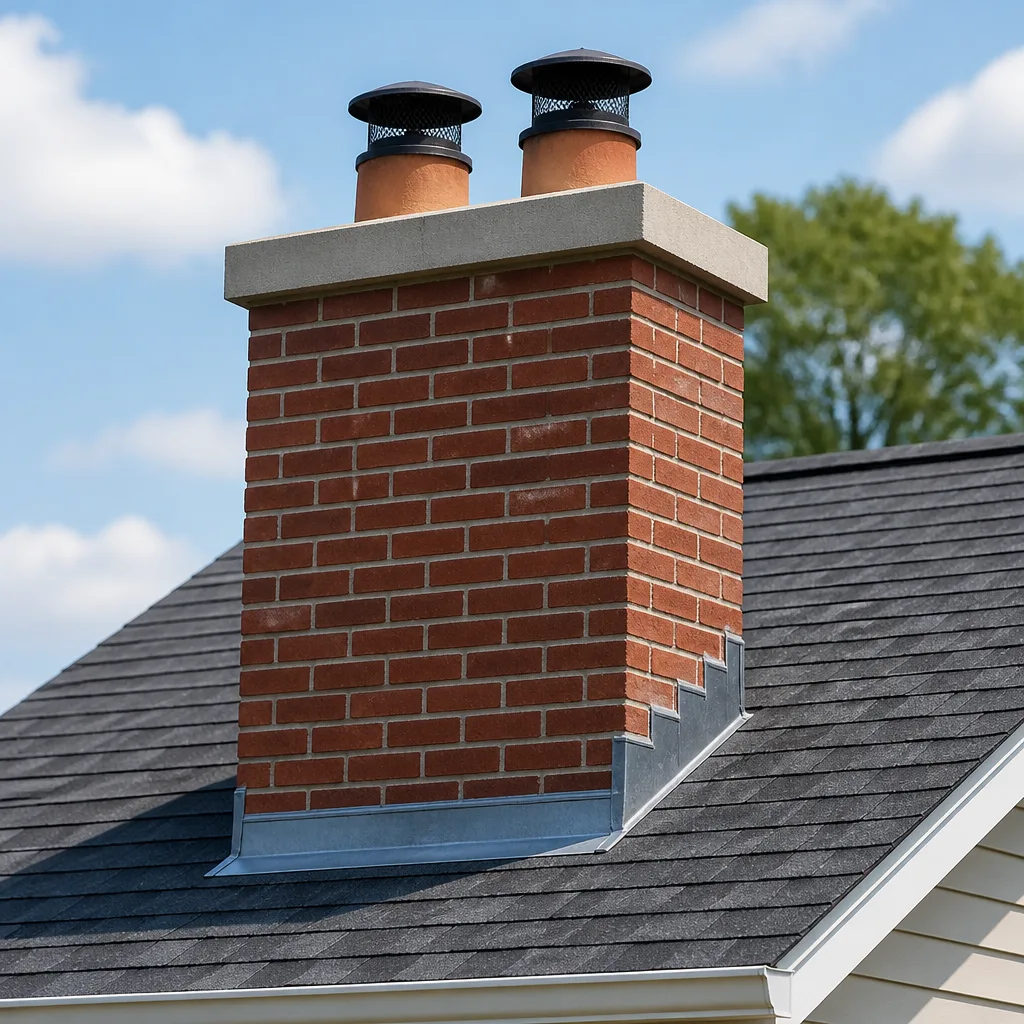 Masonry repair
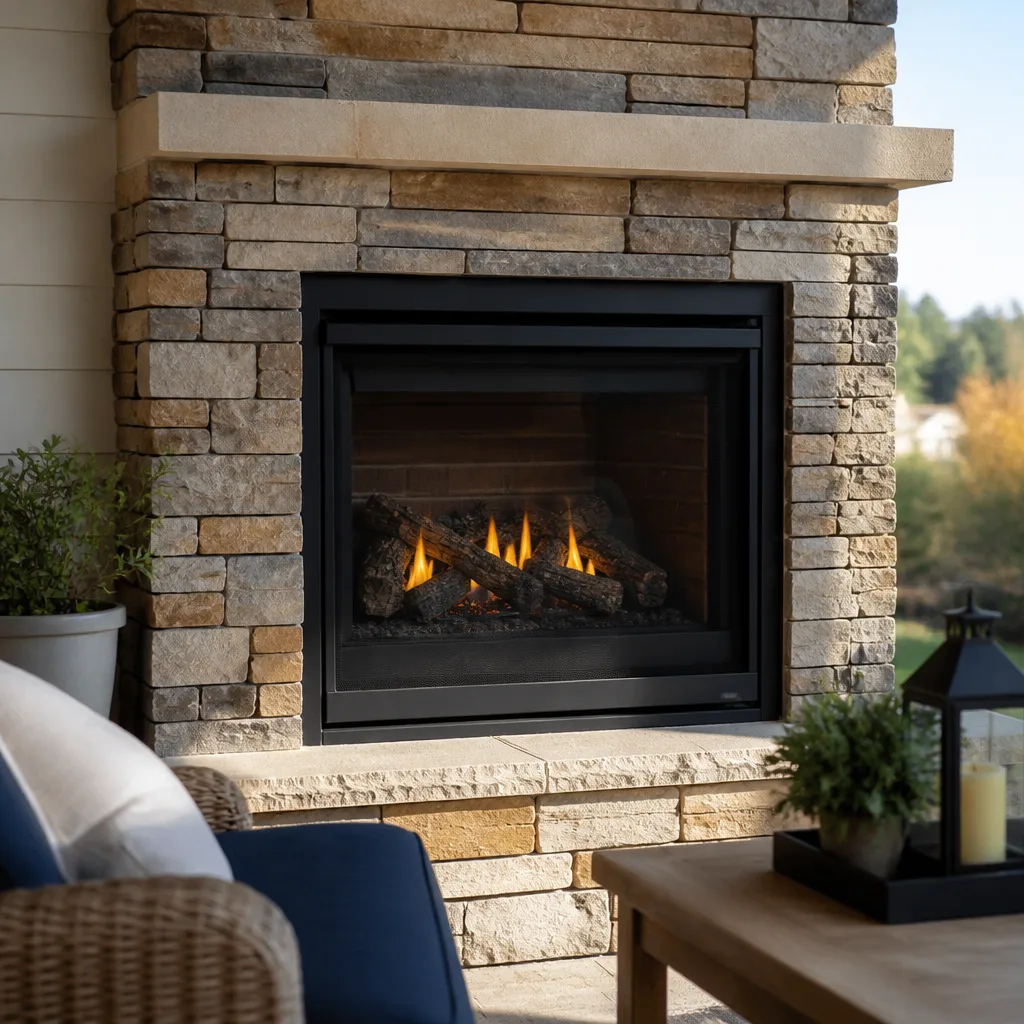 Gas fireplace service
Level 1 sweep and inspection to the NFPA 211 annual standard - flue, crown, cap, and flashing checked and photographed
Chimney sweep logs do not sweep chimneys. They loosen some creosote - which then falls where a brush and vacuum still have to collect it.
Seasonal Chimney Cleaning Care for White Rock: Year-Round Homeowner’s Guide
Most White Rock homeowners think about the chimney twice: once when they light the first fire and once when they smell something odd. The rest of the year, the flue sits. And that idle stretch is when a good deal of the damage actually happens. Nine months of a Texas chimney sitting unused does more structural harm than three months of steady burning. Moisture sneaks into cracked crowns. Animals move into uncapped flues. Mortar joints quietly loosen. By the time you’re ready for a fire in White Rock, small problems have had a whole offseason to grow. This guide walks through what seasonal chimney care looks like month by month in White Rock – spring through winter – and why the order of tasks matters.
Quick Answer
Seasonal chimney care in White Rock works best when it follows the Texas burn calendar rather than a northern one: inspect and clean after the burn season ends in spring, address caps and crowns in early summer before storm season peaks, do a full pre-season check in the fall before the first fire, and monitor creosote and draft midwinter. The biggest risk in White Rock isn’t heavy use – it’s long idle stretches that let moisture, pests, and small masonry cracks get worse.
Styles & brands we work with
- Sweep & inspection
- Caps & crowns
- Flue relining
- Masonry repair
- Gas fireplace service
Table of Contents
- Why White Rock’s Chimney Calendar Is Different From the North
- Spring: Post-Season Inspection and Storm Damage Review
- Summer: The Idle Months That Do the Most Damage
- Fall: The Exact Prep Sequence Before Your First Fire
- Winter: Monitoring Creosote by Fuel Type
- How Rare Freezes in White Rock Accelerate Mortar Joint Failure
- What Materials Actually Hold Up
- What Seasonal Care Typically Costs in White Rock
Why White Rock’s Chimney Calendar Is Different From the North
Chimney guides written for cold climates assume a long burn season – five or six months of near-daily fires. White Rock doesn’t work that way. Most households here run their fireplace three to four months, sometimes less, and the fires are concentrated into a short window when the weather actually cooperates. That compressed schedule changes the whole risk profile.
In northern climates, the main concern is creosote buildup from heavy use. In White Rock, the main concern is what happens during the many months your chimney is cold and unused. A chimney that’s actively burning stays relatively dry inside. The flue draft pulls moisture up and out. Once you stop burning, that drying cycle stops too. Any moisture that gets into the crown, the flashing, or the mortar joints now has weeks and months to sit there and do its work. That’s why we treat the off-season in White Rock as the priority window for structural care, not the burn season.
What That Means in Practice
If you’ve been following northern-climate advice and scheduling your chimney sweep just before winter, you’re working against the local rhythm. The most useful sweep + inspection in White Rock is the one you book in spring, right after the last fire, when the byproducts of your actual burn season are still fresh and easy to read. It’s also the best time to catch storm damage before summer storms have a chance to make it worse.
That shift in timing is the single most useful thing you can change about how you care for your White Rock chimney. Everything in this guide builds from that idea.
Spring: Post-Season Inspection and Storm Damage Review
Spring is the highest-value season for chimney work in White Rock, and most homeowners skip it. Here’s what spring care should actually cover:
- Full sweep right after the last fire. Creosote from the winter’s burn is easiest to assess while it’s fresh, and clearing it before the humid months prevents any acidic residue from sitting against the flue walls all summer.
- Level 2 inspection if anything was unusual during the season. If you noticed smoke backing up, odd smells, or weak draft at any point during winter, spring is when you address it – not next fall when you’re in a hurry to light the first fire.
- Storm damage review. North Texas storm season brings hail and heavy wind, and both do real damage to chimney crowns, caps, and flashing. A chimney crown that took a hail hit in April and sat untreated through summer will be a bigger repair by fall.
- Flue liner check. Even a single season of burning can reveal cracks that weren’t obvious before. Catching them now means addressing them without pressure.
- Cap inspection. Is the cap intact? Is the mesh still tight? Did a winter wind event shift it? A loose cap is an open door for the next six months.
What a Post-Season Sweep Actually Involves
A proper spring chimney sweep in White Rock isn’t just brushing. It’s a full review of what your burn season did to the system. We sweep the flue, look at the firebox, check the damper, and confirm the cap and crown are still doing their job. That single visit is the cheapest way to know what condition your White Rock chimney is actually in before the idle months begin.
We also run a camera inspection and share a photo report, so you see exactly what we see. Nothing gets recommended without evidence you can point to.
Summer: The Idle Months That Do the Most Damage
Summer is when a neglected chimney in White Rock quietly gets worse. The fireplace is cold, the damper is usually open or at least not tight, and the flue is a dry, protected cavity – which is precisely what certain animals are looking for.
An uncapped or loosely capped flue in the Dallas heat attracts birds, squirrels, and chimney swifts. Birds build nests fast in the warm months, and those nests aren’t just a nuisance. They block draft, hold moisture against the flue walls, and change the scope of the next cleaning. A flue that would normally be a standard sweep becomes a nesting removal plus creosote removal plus an inspection.
What to Do in Summer
- Confirm the cap is intact and properly sized. This single piece of the chimney system does more to prevent summer damage than anything else. A properly fitted chimney cap & crown keeps out rain, animals, and debris year-round.
- Check the crown for cracking. Hail, sun, and thermal cycling all wear on the crown. Small cracks let water into the masonry, where it expands and contracts with every temperature change.
- Look at the flashing. Any gap between the chimney and roof is a slow leak waiting to happen. Summer is the right time to reseal it – not the middle of a cold snap.
- Keep the firebox dry. If you notice dampness or a musty smell in summer, there’s a moisture entry point worth finding.
Why Cleaning Scope Changes in Summer
When we schedule a summer sweep on a White Rock chimney that’s been sitting uncapped, we often find nesting material that changes what the visit looks like. That’s not a sales pitch – it’s the reality of what an open flue attracts in this climate. The good news: a properly capped chimney doesn’t have this problem, and getting the cap right is a one-time, high-value fix.
Fall: The Exact Prep Sequence Before Your First Fire
The sequence you follow before the first fire of the season matters as much as the tasks themselves. Doing these out of order means you miss things.
- Visual exterior check. Walk the outside of the chimney first. Look at the crown, the cap, the flashing, and the brickwork. Note anything that looks different from spring.
- Interior inspection and sweep. Now sweep the flue and inspect the firebox, damper, and smoke chamber. Doing the exterior check first means you already know whether the chimney is worth sweeping or needs repair work first.
- Liner assessment. Confirm the flue liner is intact. If it isn’t, this is the time to know – not the night you’re ready to light a fire.
- Damper test. Open and close the damper fully. It should seat properly and open smoothly. A damper that sticks or doesn’t seal will cost you heat and draft all winter.
- Draft test. Light a small test fire and confirm smoke pulls up and out. If it doesn’t, stop and call us.
- Cap and crown confirmation. Last step is verifying the cap and crown are still solid before you commit to a full burn season.
Why the Order Matters
If you sweep before you check the exterior, you can miss a damaged crown that needs repair before the first fire. If you check the liner before sweeping, you’re looking at a dirty flue that hides cracks. Sequence is what separates a thorough fall prep from a superficial one.
If your fireplace itself has issues – a cracked firebox, a worn damper, a loosened grate – fall is also the right time to schedule fireplace repair before the first fire makes the problem worse.
Winter: Monitoring Creosote by Fuel Type
Once your White Rock fireplace is running, the type of fuel you burn changes what to watch for. Households burning hardwood accumulate creosote differently than households burning manufactured logs.
Hardwood Households
- Creosote builds more gradually with properly seasoned hardwood, but it builds unevenly. You’ll often see more buildup near the top of the flue and in the smoke chamber.
- Glazed creosote – the hard, shiny kind – forms when fires run cool or burn wet wood. If your wood isn’t properly seasoned, you’re more likely to see it.
- Mid-season, look at the firebox walls. Heavy soot early in the season signals a draft or burn-efficiency problem worth addressing.
Manufactured Log Households
- Manufactured logs burn more consistently, which usually means more even creosote distribution but often a faster overall buildup rate per cord-equivalent burned.
- The ash profile is different, so the firebox needs different attention.
- Some manufactured logs produce more moisture in the flue than dry hardwood does. If your glass or flue cap looks damp midwinter, that’s worth flagging.
What to Watch Either Way
Mid-season warning signs that should trigger a call: smoke backing into the room when you open the damper, a strong creosote smell on warm days, visible soot on the firebox, or a fire that struggles to draw. In White Rock, these are often early signals of a partially blocked flue or a failing damper, and both are cheaper to fix in January than in March.
How Rare Freezes in White Rock Accelerate Mortar Joint Failure
White Rock doesn’t see many hard freezes, but the ones it does see matter more precisely because they’re rare. In colder climates, chimney masonry is designed and maintained for regular freezing. Here, mortar joints often aren’t. That makes each freeze event more consequential than it would be further north.
Water gets into the mortar and brick through small cracks – often ones you can’t see from the ground. When temperatures drop below freezing, that water expands, and the expansion widens the crack. When it thaws, the crack doesn’t fully close. Repeat over several winters, and a joint that was cosmetic becomes structural.
What Compounds the Problem
- Small cracks get bigger. A hairline crack in year one becomes a visible joint failure by year three.
- Crown cracks feed the cycle. A cracked crown lets water into the masonry below it, where it does the most damage.
- Flashing gaps stay open. Water finds any gap between chimney and roof, and it works into the masonry from the top down.
- Missed seasons stack up. Every year without a cap or a crown repair makes the next freeze season more damaging.
We see this pattern most often on White Rock chimneys that have gone three or more seasons without an inspection. The repairs are usually straightforward when they’re caught early – and much more involved when they aren’t.
What Materials Actually Hold Up
Seasonal care only works if the underlying materials are sound. Where we see chimney repairs fail early in White Rock, it’s almost always because the wrong material was used for the job – not because the work was done badly.
We work with an intentionally curated set of professional-grade product lines, which matters because chimney repair isn’t a one-size-fits-all discipline. A flue liner restoration on a deteriorating clay tile flue calls for a different approach than a full liner replacement. A crown repair calls for a different material than a firebox rebuild. The right product for the job is what makes a repair last.
Where Specific Materials Come In
- HeatShield is a flue liner restoration system – it addresses a deteriorating flue liner without a full liner replacement where the condition of the flue allows it. That’s a capability most sweep companies don’t carry, and it’s meaningfully less disruptive when it applies.
- Gelco covers crown and masonry repair materials that hold up to the thermal cycling White Rock chimneys see.
- Olympia Chimney provides components for cap and structural repair work.
- Famco is where specialty components come from – the kind that matter when a repair needs a specific part rather than a generic substitute.
If you’ve been burned before by a generalist who showed up without the right parts or the right material, this is what changes that outcome. Chimney work isn’t a handyman job with a brush.
What Seasonal Care Typically Costs in White Rock
Costs vary by chimney condition, flue configuration, and what the inspection actually finds. Here are typical ranges for the core seasonal services in White Rock, quoted as estimates – the written estimate sets the final price:
| Service | Typical Estimated Range |
|---|---|
| Standard chimney sweep (single flue) | $180 – $340 |
| Level 2 inspection with camera and photo report | $250 – $450 |
| Chimney cap installation (standard) | $250 – $500 |
| Crown repair | $350 – $900 |
| Crown rebuild | $800 – $1,800 |
| Flashing reseal | $250 – $600 |
| Firebox or damper repair | $300 – $900 |
What Drives the Range
- Access and roof pitch – how safely the technician can reach the chimney.
- Flue configuration – number of flues, liner type, and whether the flue is straight or offset.
- Condition found – a sweep on a kept-up chimney is cheaper than a sweep on a chimney that’s also got nesting material or heavy creosote.
- Repair scope – a spot repair is a fraction of a rebuild.
Nothing gets recommended without camera evidence you can see for yourself. And if a repair can safely wait, we’ll say so. Estimates in White Rock are free, so the only number that matters is the one on the written estimate.
Common Mistakes to Avoid
- Following northern-climate timing. Scheduling your annual sweep in October instead of spring is the most common mistake in White Rock. It means the chimney sits through its riskiest months with last season’s creosote against the flue walls and storm damage untreated.
- Treating the cap as optional. An uncapped chimney in White Rock is a welcome mat for birds, squirrels, and rain. The cap is one of the cheapest long-term protections on the whole system.
- Ignoring a cracked crown. A visible crack in the crown is water entering your masonry, and it gets more expensive every season it’s left open.
- Burning unseasoned wood to save money. Wet wood burns cool and produces the glazed, hard creosote that’s the hardest to remove. It costs more at the sweep than it saved at the woodpile.
- Skipping the pre-season sequence. Lighting the first fire without a draft test, damper check, or liner confirmation means you find out about a problem the hard way.
- Assuming a gas fireplace doesn’t need attention. Gas fireplaces and their venting still need inspection, even if the creosote risk is different from wood.
- Hiring a generalist for chimney repair. A handyman who sweeps on the side usually doesn’t carry the right liner or crown materials. You end up with a repair that fails in two years.
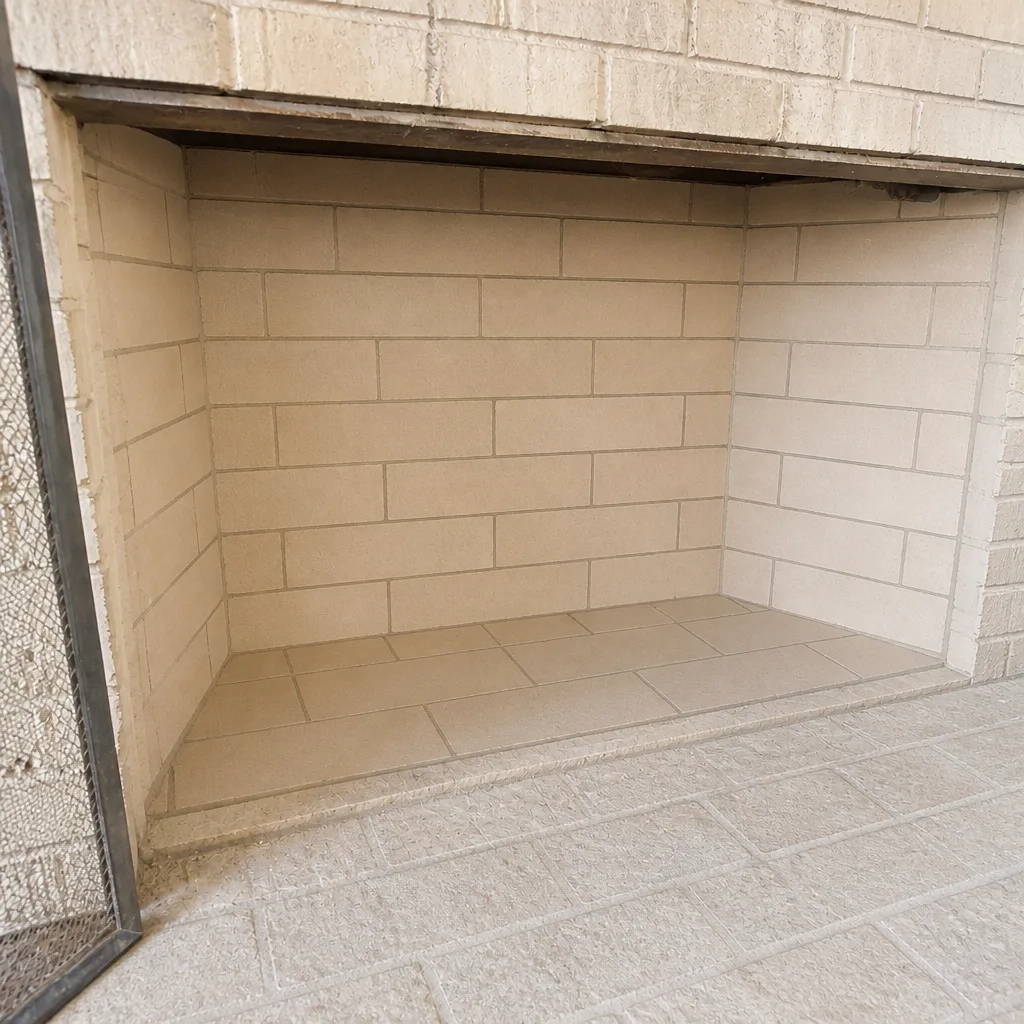
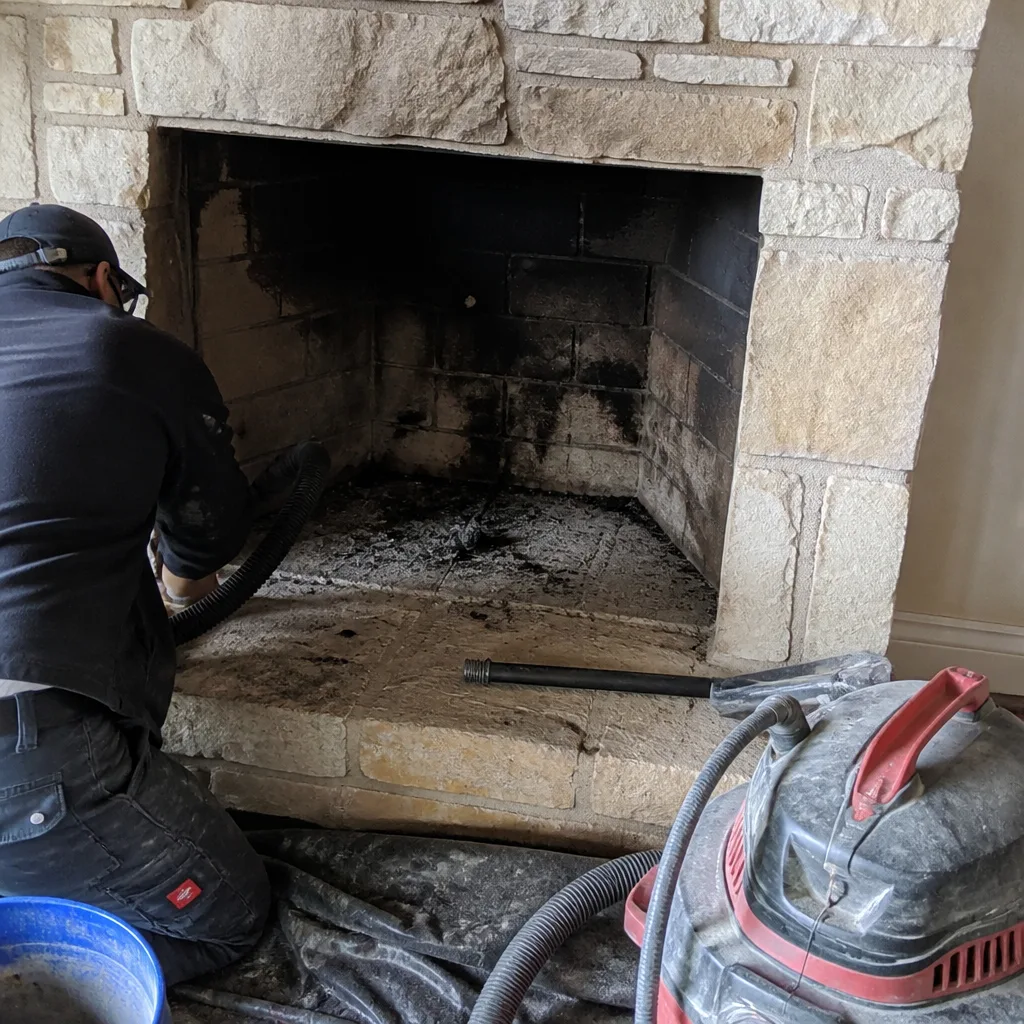
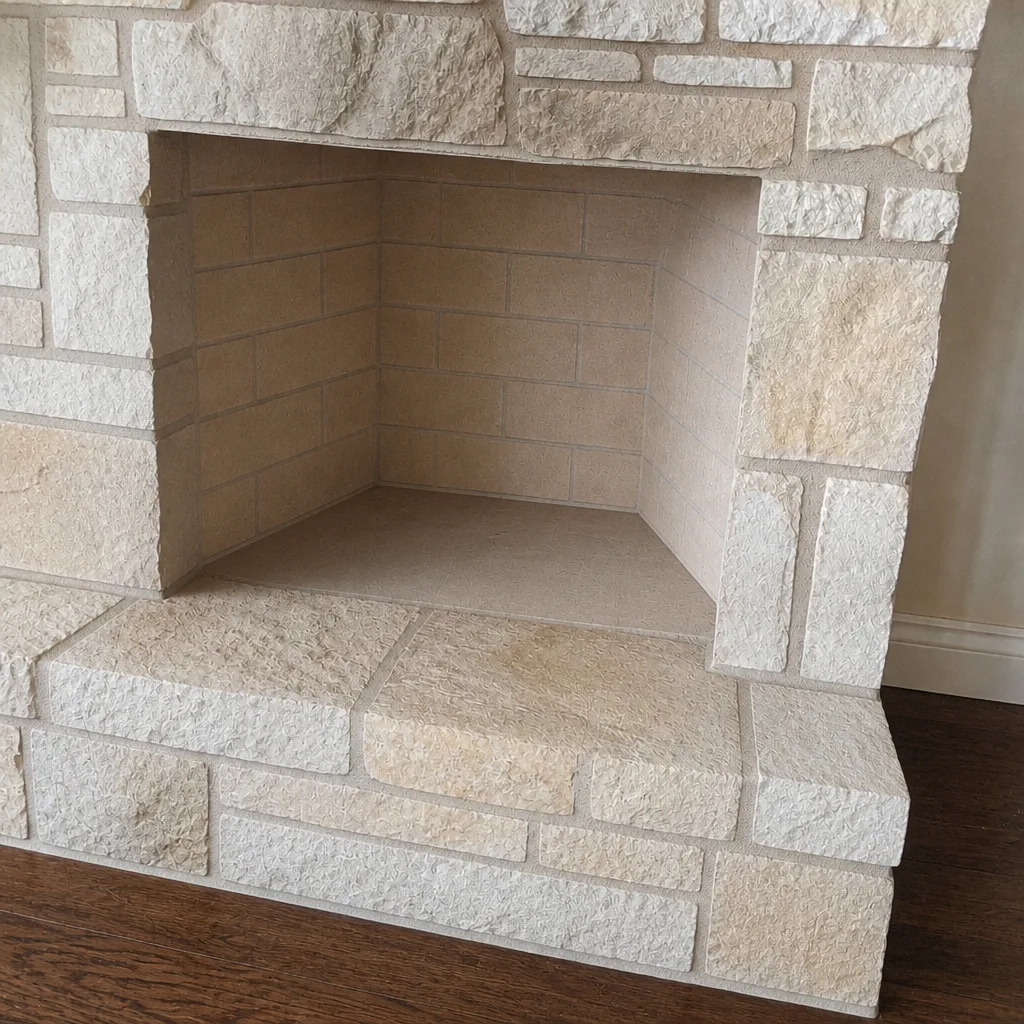
See the difference
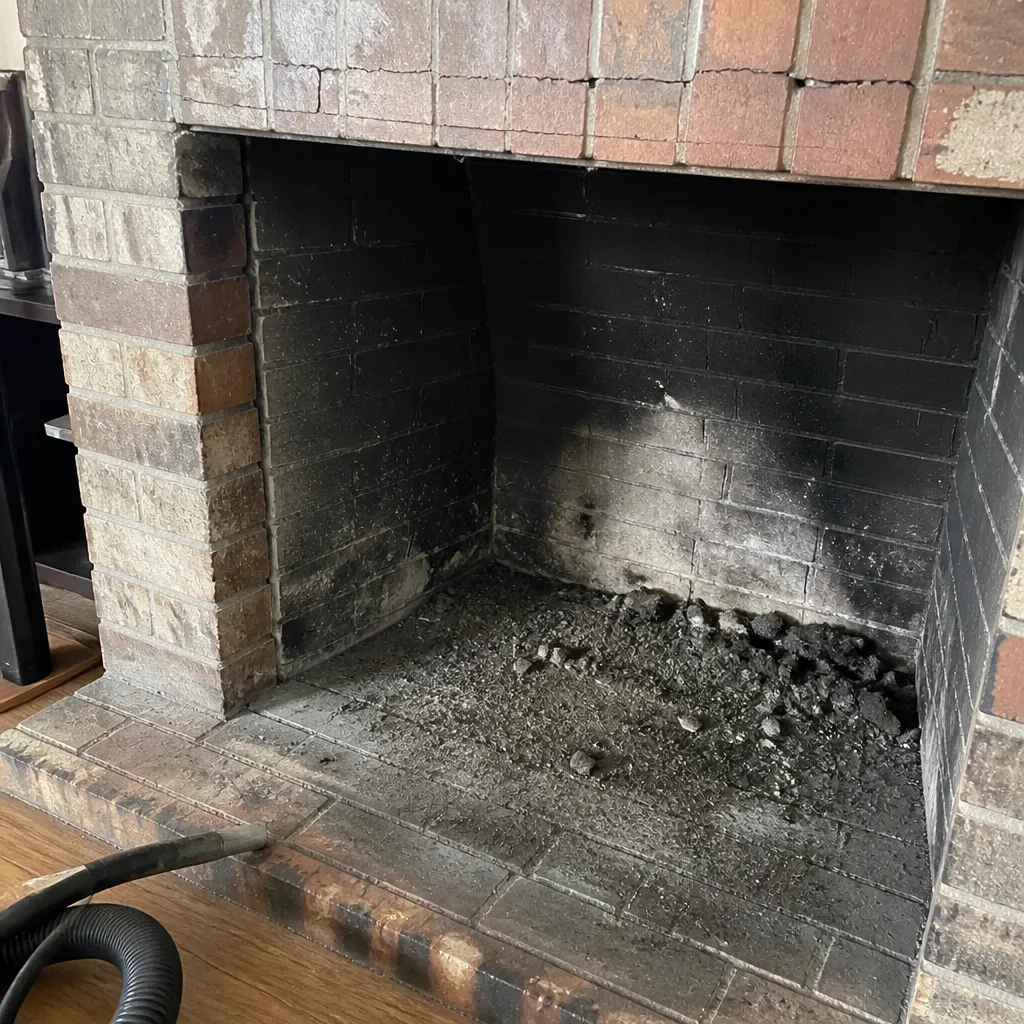 Before
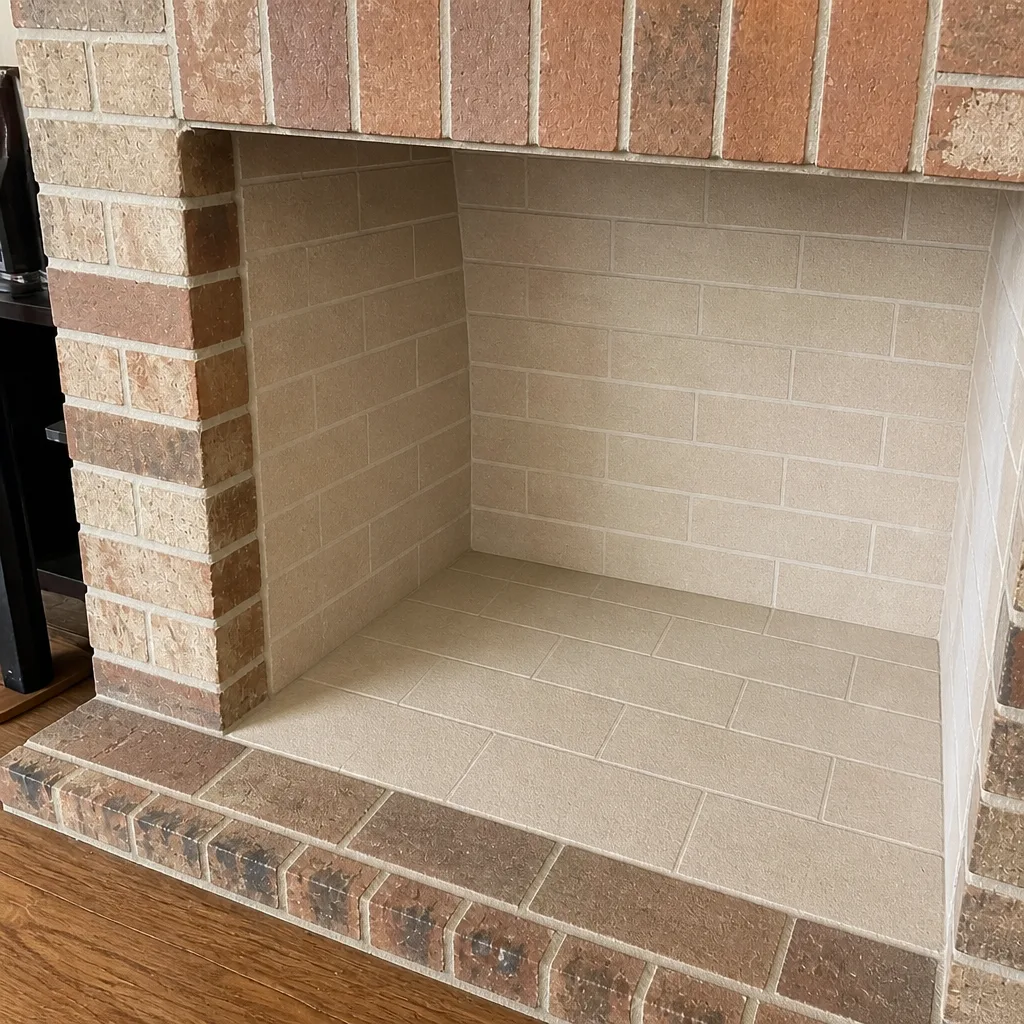 After
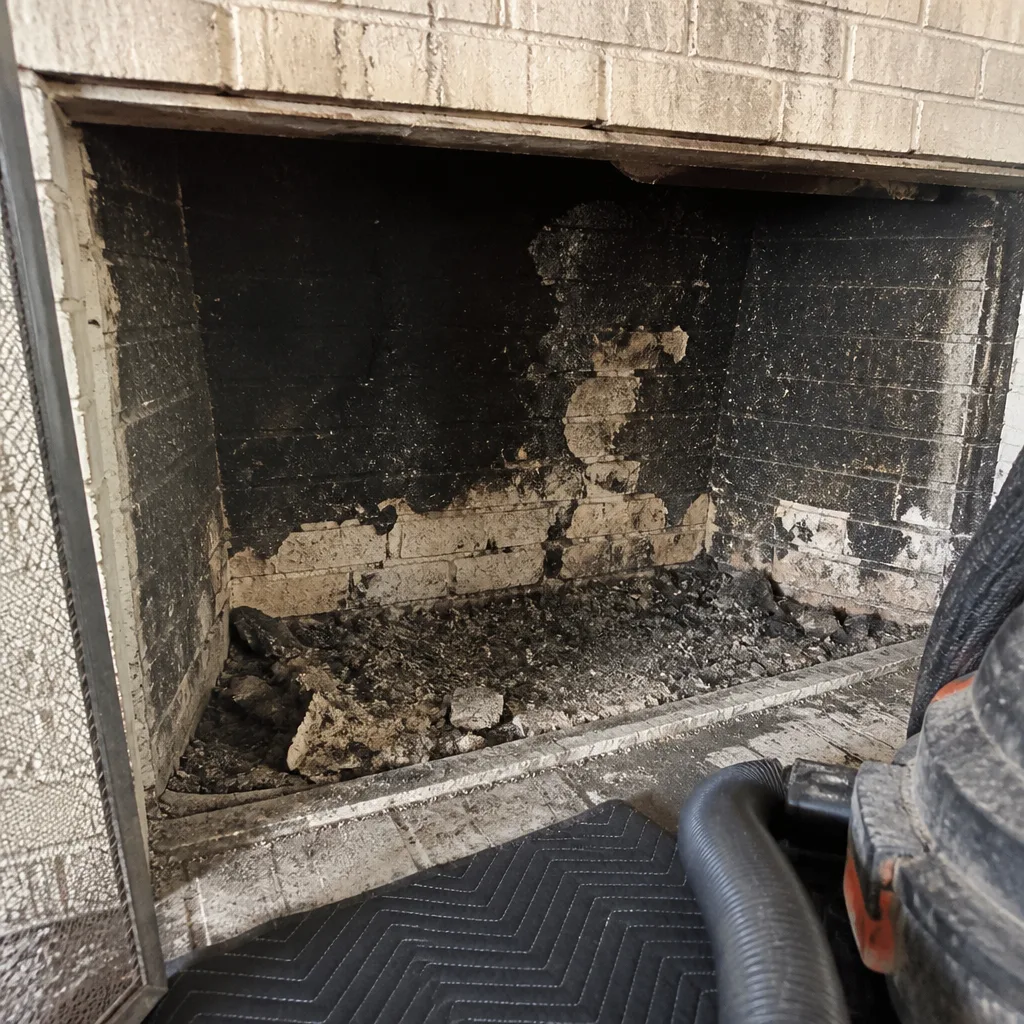 Before
 After
 Before
 After
When to Call a Professional
Call a chimney specialist when you see any of the following: smoke backing into the room when you open the damper, a strong creosote smell on warm days, visible soot or staining around the firebox, a cracked or damaged crown, a loose or missing cap, dampness inside the firebox, animals or nesting material in the flue, or a fire that struggles to draw. Also call if it’s been more than a season since your last inspection – especially on a White Rock chimney that’s gone two or more years without one.
Some of this work is genuinely dangerous. Creosote fires, carbon monoxide, and structural masonry failures are the reasons to take this seriously. Climbing a roof to check a crown or reaching into a firebox to inspect a damper is not a homeowner task. A trained professional should do it.
Chimney Sweep White Rock offers free estimates in White Rock – call (844) 877-7238. We answer 24/7. Fast dispatch from 7am to 7pm, Sunday through Friday.
Frequently Asked Questions
Once per burn season as a baseline, plus a mid-season look if you burn frequently or notice any draft issues. Because White Rock’s burn season is short and concentrated, one spring sweep after the last fire usually covers most households – but if you burn daily through the season, plan for a mid-winter check as well.
Yes, in most cases. A spring sweep catches the byproducts of the season while they’re fresh, and it lets you address storm damage and crown cracks before they get worse through summer. It also means the chimney sits through its idle months clean and dry. Fall prep is still important, but it’s the second visit, not the first.
Yes. A properly fitted chimney cap is one of the highest-value protections on the system. It keeps out rain, birds, squirrels, and debris, and it protects the crown from direct weather. An uncapped flue in White Rock is far more likely to develop nesting, moisture, and draft problems.
A standard sweep typically runs $180 to $340 depending on flue configuration and condition. If the inspection finds nesting, heavy creosote, or repair needs, the estimate will reflect that scope. Estimates are free and the written estimate sets the final price. Call (844) 877-7238 for an exact quote.
Sometimes, but it depends entirely on the crack. A hairline crack on a crown that’s otherwise sound is often fine for another season. A wider crack, or one that’s already letting water into the masonry, should be addressed before the next freeze. We won’t recommend crown work without showing you the crack on camera first.
Most homeowners don’t see a problem for a season or two, then find out during a fall inspection that they’ve got a cracked crown, a liner crack, or nesting material. None of those are catastrophic if caught early. All of them get more expensive the longer they wait. Skipping a season isn’t a fire in your chimney tomorrow – it’s a slow accumulation of small problems that eventually aren’t small.
The Bottom Line
Seasonal chimney care in White Rock works on a different calendar than the advice you’ll find written for cold climates. The riskiest months aren’t the ones you’re burning – they’re the idle months when moisture, animals, and small masonry cracks are free to get worse. Spring is the highest-value visit – sweep, inspect, address storm damage. Summer is about the cap and crown. Fall is the pre-fire sequence in the right order. Winter is monitoring creosote by fuel type. Every season connects to the next, and the repairs that cost the least are the ones caught at inspection. If you want a single specialist handling the full chimney system from the firebox to the crown – Chimney Sweep White Rock covers sweep, inspection, cap and crown, fireplace repair, and chimney repair under one roof. Our technicians have up to 10 years of experience.
Call (844) 877-7238 for a free estimate. We answer 24/7. Fast dispatch from 7am to 7pm, Sunday through Friday.
Written by the team at Chimney Sweep White Rock.