
Last updated November 25, 2026
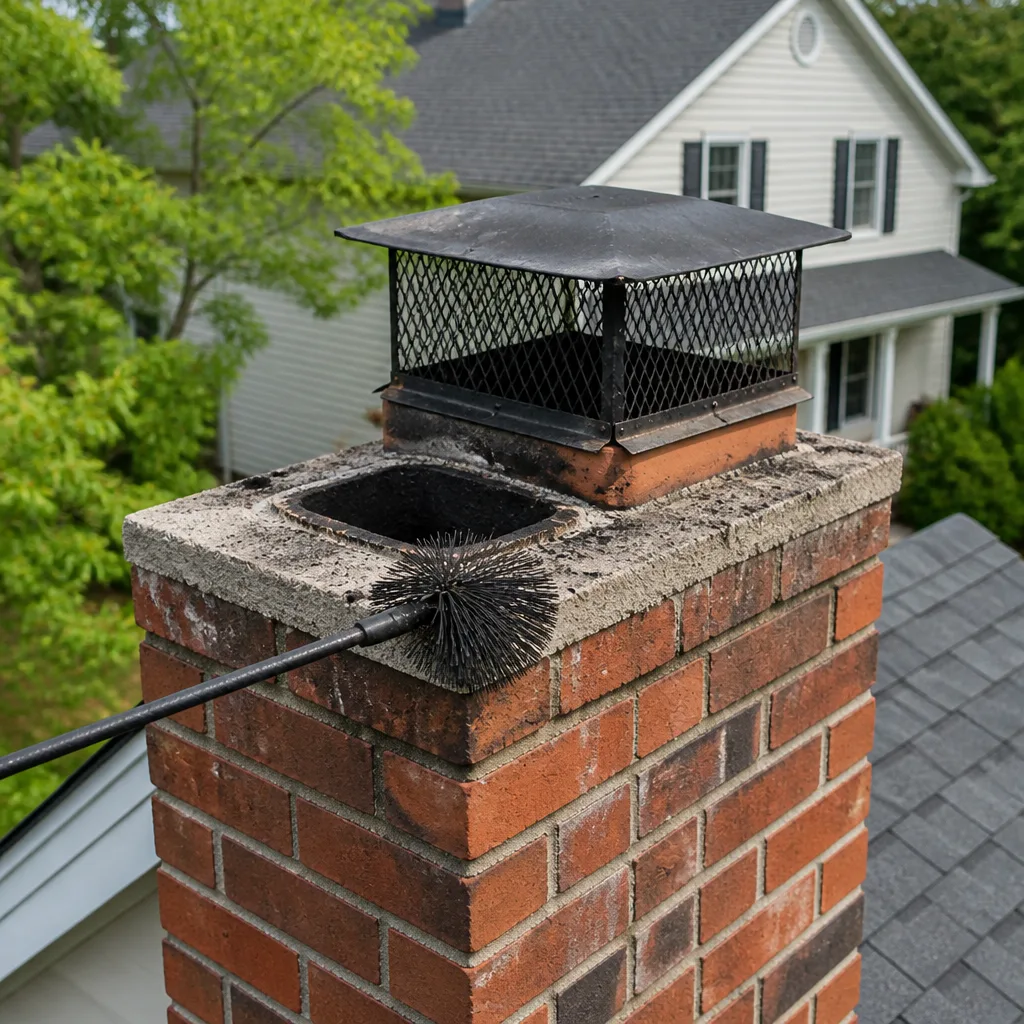 Sweep & inspection
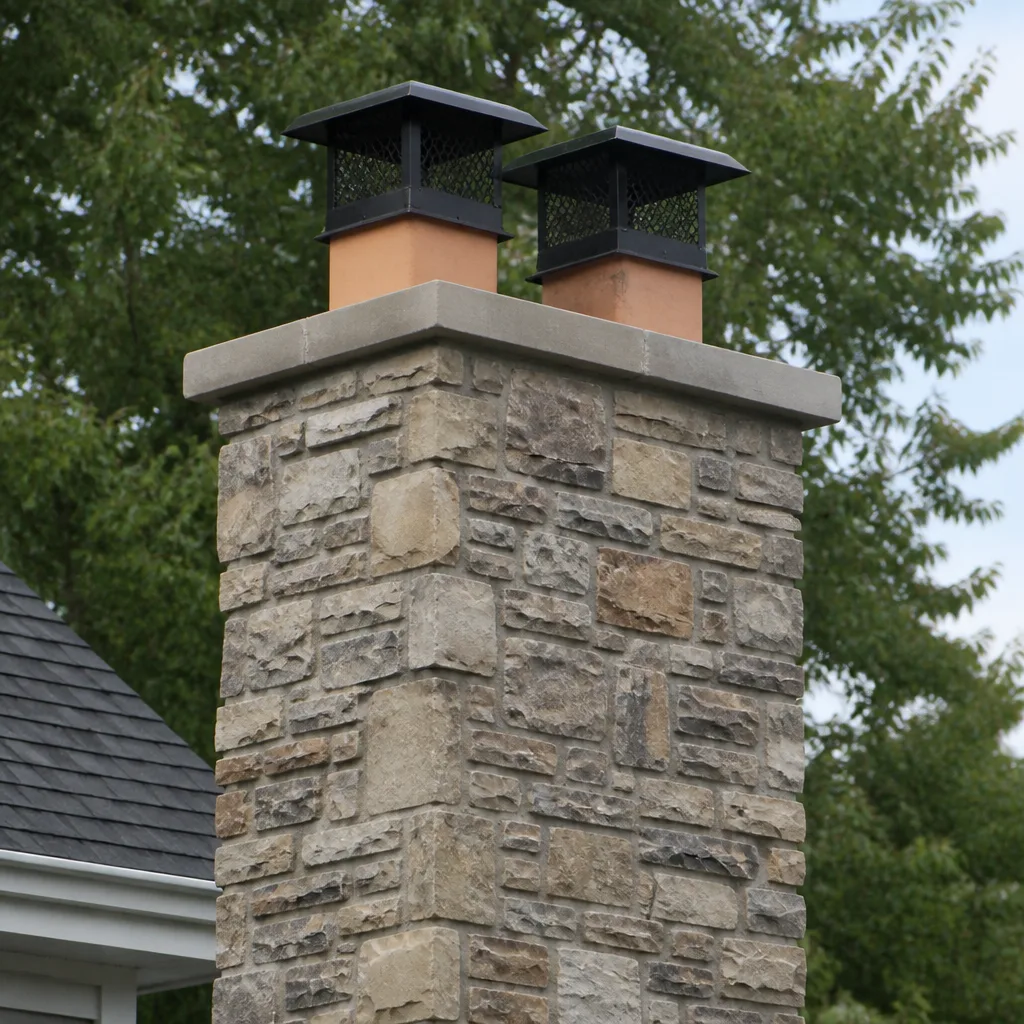 Caps & crowns
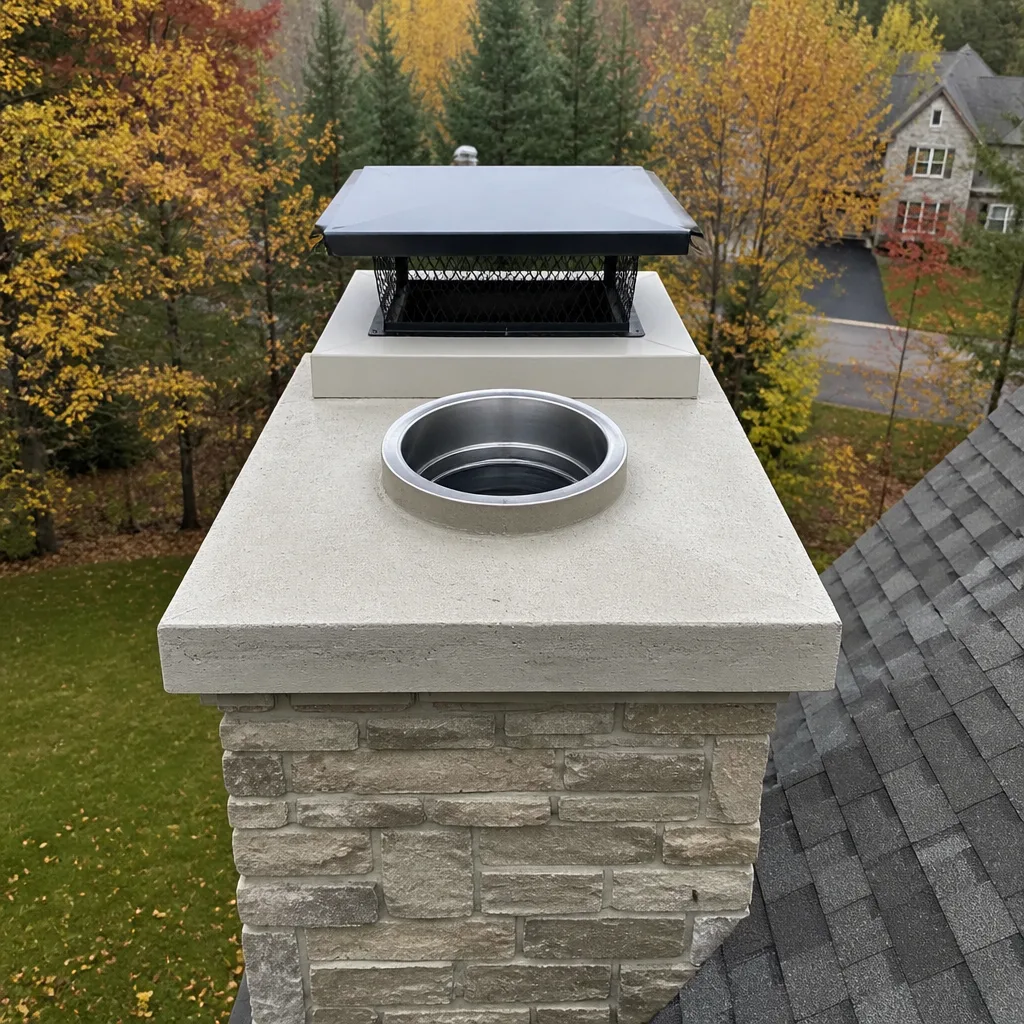 Flue relining
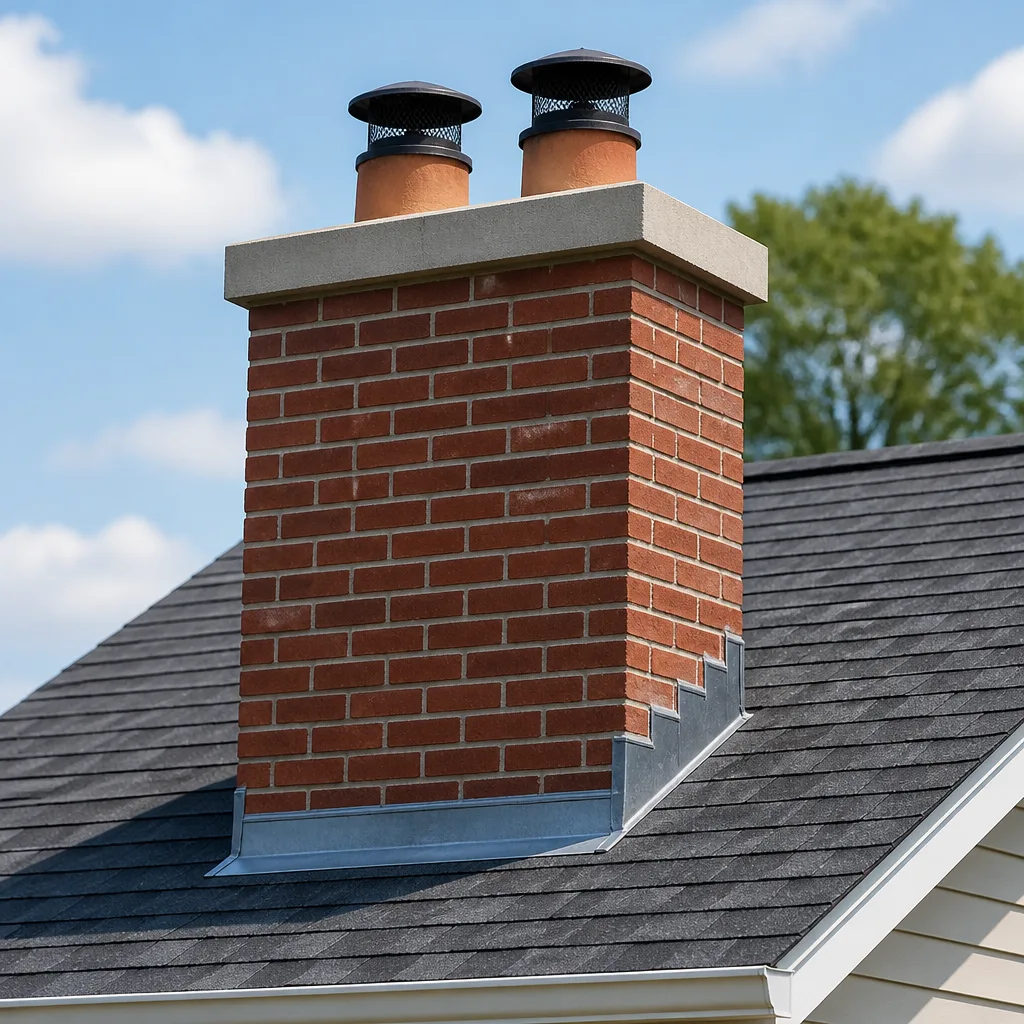 Masonry repair
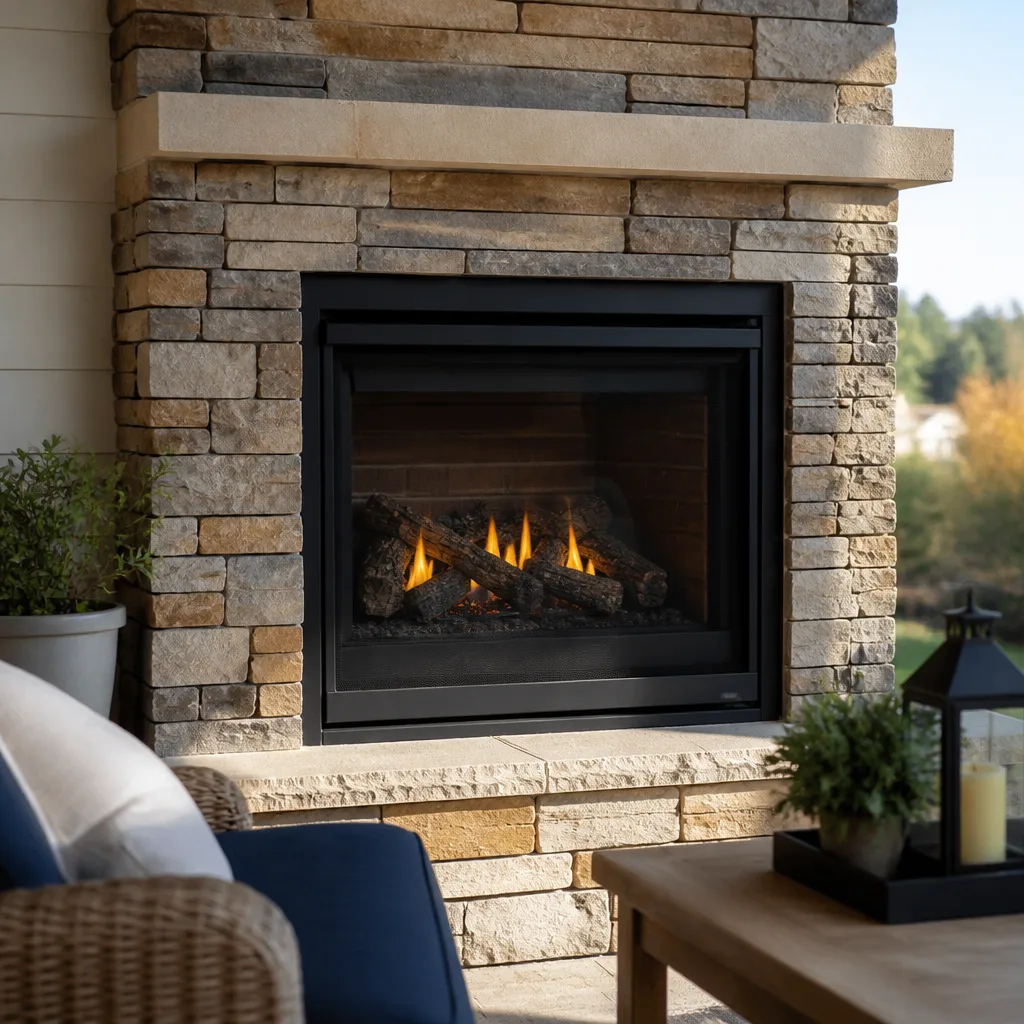 Gas fireplace service
Level 1 sweep and inspection to the NFPA 211 annual standard - flue, crown, cap, and flashing checked and photographed
Chimney sweep logs do not sweep chimneys. They loosen some creosote - which then falls where a brush and vacuum still have to collect it.
DIY vs Professional Chimney Cleaning: The White Rock Homeowner’s Decision Guide
A brush kit, a shop vac, a free afternoon, and a ladder. That’s the picture most White Rock homeowners have in mind when they think about cleaning their own chimney, and it’s a picture that’s half right. You can physically get a brush up a flue. What a brush kit can’t do is tell you what you’re looking at once you’re up there, and that’s where the real work lives. Soot is the visible layer. Creosote is the one that matters, and glazed creosote isn’t something a nylon brush touches, let alone removes. This guide maps, honestly, what a homeowner can accomplish with a brush and what genuinely requires a specialist, so you can weigh the tradeoff with accurate information instead of optimism.
Quick Answer
DIY chimney brushing can remove loose soot and light, powdery creosote from an accessible flue, but it cannot assess creosote staging, inspect the smoke chamber, evaluate the liner’s structural condition, or produce documentation that satisfies an insurer or a buyer’s home inspector. Professional cleaning in White Rock covers all five things a sweep is actually evaluating, not just the one a brush reaches. For a lightly used, gas-fired or seldom-burned fireplace, a homeowner’s interim brushing is a reasonable stopgap; for a wood-burning fireplace in active use, professional cleaning and inspection is the safer and more defensible choice.
Styles & brands we work with
- Sweep & inspection
- Caps & crowns
- Flue relining
- Masonry repair
- Gas fireplace service
Table of Contents
- What DIY Brushing Actually Accomplishes
- The Creosote Staging Problem: Why Soot Isn’t the Issue
- The Real Cost of a Legitimate DIY Kit
- When DIY Makes Sense (and When It Creates False Safety)
- Liability and Insurance: What Self-Certifying a Clean Chimney Costs You
- How Specialist Documentation Differs From a Self-Assessment
- What a Professional Sweep Evaluates That a Brush Doesn’t
- DIY vs Professional: Side-by-Side Comparison
What DIY Brushing Actually Accomplishes
A homeowner with the right brush and a steady hand can remove a meaningful amount of soot from a straight, accessible flue. That’s not nothing. Soot is the powdery black residue that builds on the flue walls after combustion, and it’s the layer you can see when you shine a light down from the top or up from the damper. Removing it improves draft somewhat and reduces the volume of combustible material on the flue wall. If a homeowner brushes routinely, they can keep the soot layer from getting dramatically heavy.
What brushing doesn’t do is equally specific. It doesn’t:
- Identify creosote stage. Glazed creosote, the hard, shiny, tar-like layer, resists a brush entirely. It has to be treated chemically or mechanically broken down before brushing has any effect.
- Reach the smoke chamber. The angled transition between the firebox and the flue base accumulates soot and creosote in a way brushing from the top cannot touch. Smoke chambers are a common fire-origin point.
- Assess the liner. A brush drags past a cracked or spalled clay tile without telling you it’s there. Liner assessment requires a camera and someone trained to read what it shows.
- Check the cap and crown. Roof-level components that admit water when they fail are part of a sweep’s job; a flue brush doesn’t touch them.
- Verify draft and combustion. A chimney that drafts poorly can look clean and still be a hazard.
In our experience, the homeowners who get the most out of a DIY brushing are the ones who already understand what they’re looking at. Most people, once they’re on the roof, don’t have enough context to say whether what they found is normal or concerning. That gap is the honest core of the DIY question, not a sales pitch.
The Creosote Staging Problem: Why Soot Isn’t the Issue
Creosote is the combustible residue of incomplete wood combustion, and it comes in three stages. Stage 1 is powdery and flaky; a brush removes it. Stage 2 is glazed and hard, sometimes with a crunchy crust; a brush skips off it, and it’s the layer that requires a chemical treatment or rotary cleaning to break down. Stage 3 is puffy and dark, and it can spall off in flakes and land in the firebox. Stage 2 and Stage 3 are the primary fuel for chimney fires.
A homeowner brushing a flue cannot tell you which stage they’re encountering. From a distance a Stage 2 crust looks like a heavy soot layer. The difference between “I brushed it and it looks clean” and “the creosote has been properly removed” is exactly the difference between a false sense of safety and a clean flue. This distinction is the reason a professional sweep isn’t just a person with a longer brush; it’s a person trained to identify staging and respond to it correctly.
White Rock’s climate is the mild-winter, wood-burning-fireplace climate where a homeowner typically burns seasonally, in the cooler months, rather than continuously. That’s not a trivial detail. Seasonal burning with cool flue temperatures is one of the conditions that favors creosote formation over clean combustion, and it’s why a spring or late-fall cleaning before the burning season is the sensible rhythm for a wood-burning White Rock fireplace. We don’t overstate risk; we just note that the same seasonal pattern that makes White Rock pleasant to live in makes some creosote staging more likely, which is why a Stage 2 assessment matters.
The Real Cost of a Legitimate DIY Kit
A single nylon brush and a drop cloth are not a chimney cleaning kit. A legitimate DIY setup, one that won’t damage the flue and won’t put the homeowner at genuine risk, includes more than most people anticipate. Here’s the honest list:
- A set of correctly sized brushes. One per flue diameter; the wrong size either misses the walls or scours the liner.
- Rod sections long enough to reach the cap. Chimney heights vary; a few feet of rod won’t cut it.
- A quality headlamp and a mirror. This is how you see the smoke chamber and the flue crown.
- A HEPA-rated vacuum or drop cloth system. Without it, soot ends up in the living room.
- Roof and ladder safety gear. Harness, stabilizer, appropriate footwear. These aren’t optional on a sloped roof.
- Proper respiratory protection. Soot and creosote particulates are a legitimate concern.
- Chemical treatment for Stage 2 creosote. The piece most DIY kits skip entirely.
Add these up and a full kit regularly costs more than a single professional sweep. That’s not an argument against ever brushing, it’s a data point about how the cost comparison actually lands for a White Rock homeowner who burns on a regular schedule. Some people buy a kit once and brush once a year for years; others find that the maintenance of the equipment and the risk on the roof don’t pencil out. Both are reasonable, as long as the decision is made with the full picture.
When DIY Makes Sense (and When It Creates False Safety)
DIY brushing is a reasonable interim measure in specific, narrow scenarios. It is not a substitute for professional evaluation, and the scenarios where it works are exactly the scenarios where the stakes are lower. Think of it this way:
- Gas-fired fireplaces, sealed-combustion systems, or fireplaces used only a handful of times per season. The soot burden is light and the creosote risk is minimal. A superficial brushing is not unreasonable.
- A brand-new flue, professionally inspected before first use. If a specialist has already told you what’s normal, you at least have a baseline to compare against.
- As a between-visit touch-up on a chimney that’s professionally cleaned once a season. Topping off the soot doesn’t hurt.
Where DIY creates false safety is where a homeowner brushes a flue, sees a clean-looking surface, and decides the chimney is fine for another winter. That’s the scenario that matters most, and it’s the one we see most often. A brushed flue looks clean from the top whether the creosote is at Stage 1 or Stage 2; the brush can’t tell the difference and neither can the homeowner. That false confidence is the risk. A real professional assessment, usually from inside the firebox with a camera, is what resolves the ambiguity.
Liability and Insurance: What Self-Certifying a Clean Chimney Costs You
Texas has a strong pattern of insurance carriers asking whether a chimney fire was the result of deferred maintenance, and a homeowner’s assertion that “I cleaned it myself” doesn’t carry the same weight as a specialist’s documentation. This isn’t a scare tactic, it’s how claims processes work. When a carrier evaluates a chimney fire, they look for evidence of routine maintenance and professional inspection. A homeowner’s own note, even a careful and honest one, is not the same quality of evidence as a dated service record from a chimney professional.
Resale is where the difference shows up plainly. A buyer’s home inspector is going to inspect the chimney; if a specialist’s documentation from a recent cleaning is on file, that’s a smoother transaction than a homeowner’s own assessment. In White Rock, where a large share of homes have active fireplaces, this shows up more often than people expect during inspection periods. The documentation is not a marketing asset; it’s a practical one that matters at the two moments a homeowner is most likely to need it: a claim, and a sale.
How Specialist Documentation Differs From a Self-Assessment
A specialist’s post-cleaning documentation is structured, visual, and dated. It generally includes photos of the flue, a reading of creosote staging before and after cleaning, notes on the smoke chamber and crown, and a clear statement of what was clean and what needs attention. That last piece is the one most homeowners skip when they clean the chimney themselves. Even a careful homeowner tends to note “cleaned” and move on, without a description of the liner’s condition or a note about a slightly spalled crown.
Our work with the DuraFlex and HeatShield product lines is one reason we’re able to document findings with specifics. When a flue liner shows deterioration, HeatShield liner restoration is a real option in some cases, and it doesn’t require a full liner replacement. That’s the kind of note that ends up in a specialist’s documentation: not just “needs attention” but “here is what we found and here is the material we’d use to address it.” A homeowner’s self-assessment can’t offer that, and it doesn’t need to. The point is simply that the two documents aren’t interchangeable, and it’s worth knowing which one you have when a home inspector or an insurer asks.
What a Professional Sweep Evaluates That a Brush Doesn’t
Our chimney sweep goes beyond brushing. A professional cleaning at a White Rock home is a five-part evaluation of the chimney system, and the brush is only involved in one part of it. The other four are what separate a real service from a surface scrub:
- Sweep the flue. Rotate the correctly sized brush through the flue, from the top, to remove soot and Stage 1 creosote, using a HEPA vacuum to contain the dust.
- Inspect the smoke chamber and firebox. Check the smoke shelf, the firebox walls, and the damper for creosote accumulation, cracking, and the kind of angled buildup that brushing alone misses.
- Inspect the flue liner with a camera. Confirm the liner is intact: clay tile joints, stainless steel seams or HeatShield-applied restoration, depending on the liner type. A camera sees what the brush cannot.
- Check the cap, crown, and flashing. The roof-level components that keep water out. A chimney cap and crown failure is a slow-motion moisture problem, and moisture is a bigger cause of long-term chimney damage than most homeowners realize.
- Document findings. Photo evidence, a written note of what was cleaned and what needs attention, and a clear statement of the follow-up timeline. A sweep that doesn’t document isn’t finished.
Our technicians have up to 10 years of experience, and in our experience, the most common pre-existing problem we find isn’t soot. It’s water intrusion from a failing crown or a missing cap. That’s a diagnosis a brush can’t make, and it’s the reason we recommend a professional sweep before the season, not just when the flue looks dirty.
DIY vs Professional: Side-by-Side Comparison
The table below lays out the practical difference between a homeowner’s brushing and a professional chimney cleaning. The tradeoffs are real in both directions; the point of the table is to make the choice visible rather than assumed.
- Soot removal: DIY – yes, with effort; Professional – yes, with HEPA containment.
- Stage 2/3 creosote treatment: DIY – no; Professional – yes, with chemical treatment and HeatShield where appropriate.
- Smoke chamber inspection: DIY – unlikely; Professional – yes, with camera and mirror.
- Liner assessment: DIY – no; Professional – yes, with camera.
- Cap and crown inspection: DIY – unlikely from the ground; Professional – yes, at roof level.
- Documentation for insurance/resale: DIY – narrative only; Professional – dated photo report.
- Cost: DIY – kit cost, potentially several hundred dollars to start; Professional – a per-job estimate, provided in writing before work begins.
- Risk: DIY – roof/ladder and creosote-staging risk; Professional – handled by a trained specialist.
If a homeowner wants the specific estimate for a professional cleaning at their White Rock address, that’s free and doesn’t require committing to anything. The estimate is set per job in writing, so the comparison is apples-to-apples. Call (844) 877-7238 for a free estimate. We answer 24/7. Fast dispatch from 7am to 7pm, Sunday through Friday.
Common Mistakes to Avoid
- Brushing before confirming creosote stage. If the flue has Stage 2 glazed creosote, brushing will polish it shiny and remove almost none of it, giving a false clean. A professional identifies the stage first, then treats and cleans in the right order.
- Skipping the smoke chamber. The smoke chamber is the angled transition above the firebox and is a common fire-origin point. Brushing from the top doesn’t reach it, so a homeowner’s cleaning can leave the most important deposit untouched.
- Assuming a clean-looking flue is a safe flue. A camera sees liner cracks, spalled joints, and rusted stainless seams that the eye at roof level misses. A visual check is a starting point, not a diagnosis.
- Neglecting the cap and crown. Water intrusion from a failed crown or missing cap is a slow, expensive problem. A homeowner who only brushes the flue can miss a chimney crown that’s already cracked from above.
- Cleaning before seasonal changeover and then never documenting it. If a White Rock homeowner brushes in spring and a claim or sale comes up the following fall, there’s no dated record. A professional’s documentation bridges that gap.
- Roof work without fall protection. Chimney heights and roof slopes vary by home, and a slip on a slope is the most common DIY injury. The roof geometry doesn’t care how careful someone is.
- Self-certifying for a sale or claim without a specialist’s report. A buyer’s inspector or a claims adjuster will want a specialist’s documentation. A homeowner’s own note isn’t equivalent, and the gap can complicate a transaction.
When to Call a Professional
Call a professional if any of the following apply: the fireplace is wood-burning and in regular use during the cooler months, the flue has glazed or shiny creosote visible from the top, the chimney crown or cap is cracked or missing, there’s a persistent smoky draft or a damper that sticks, the liner condition is unknown, or there’s any documented fire history. Also call if you’re selling the home, filing a claim, or you’ve never had a professional evaluation. A cleaning by a specialist and a homeowner’s brushing aren’t the same task, and the difference is easy to spot once you know what to look for.
Chimney Sweep White Rock offers free estimates in White Rock: call (844) 877-7238. We answer 24/7. Fast dispatch from 7am to 7pm, Sunday through Friday. The Chimney Sweep White Rock team works with the full chimney system, from the firebox to the crown, so a single visit covers cleaning, inspection, and any repair the findings call for. Our fireplace repair work is handled in-house, and we don’t subcontract. If the diagnosis points to a liner, we work with the DuraFlex and HeatShield lines to find the right material for the job, not whatever happens to be on hand.
See the difference
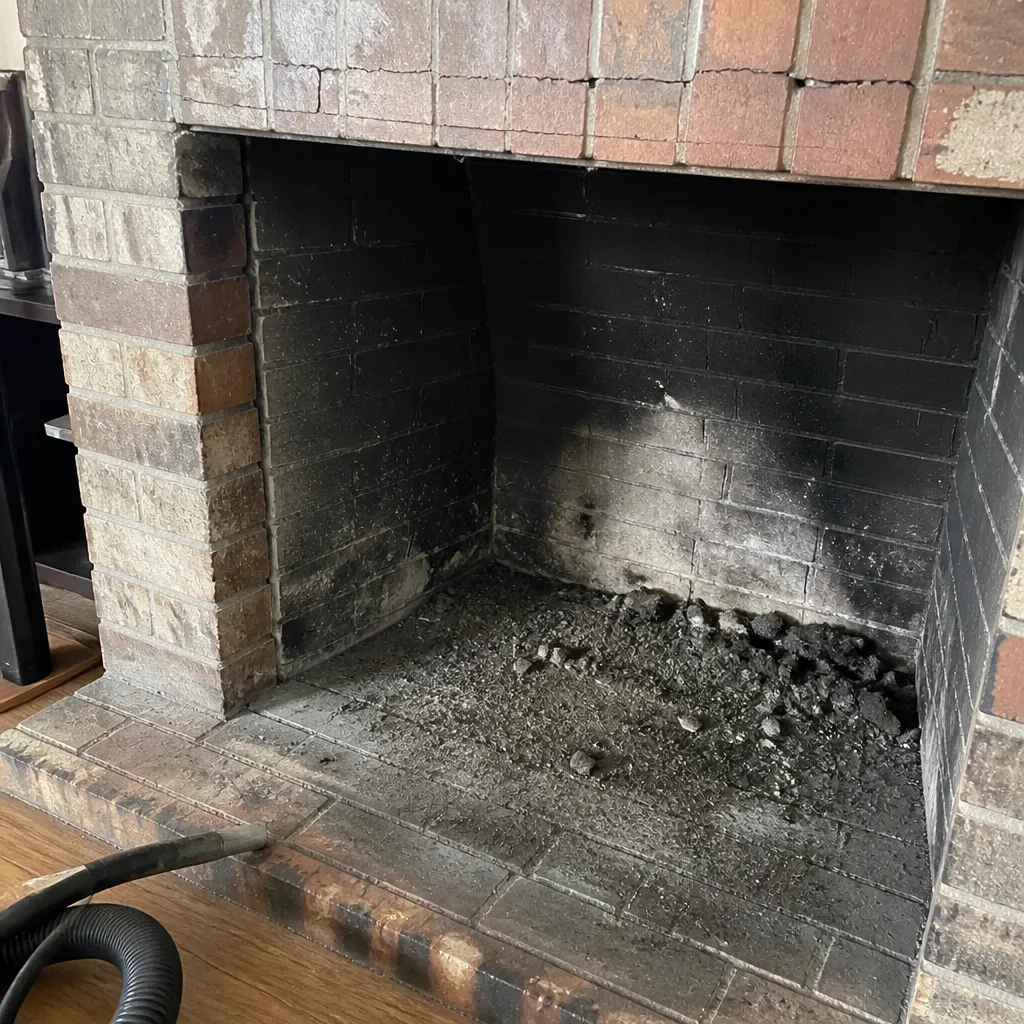 Before
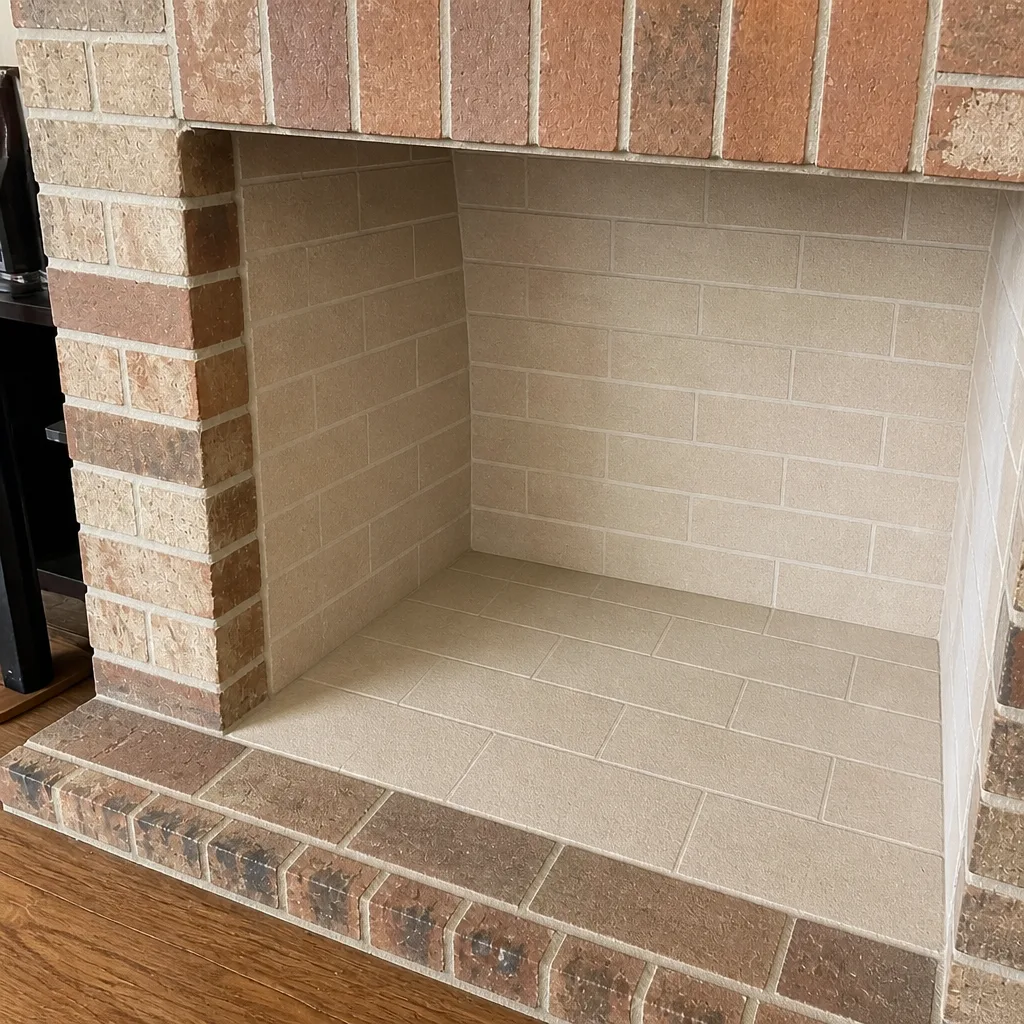 After
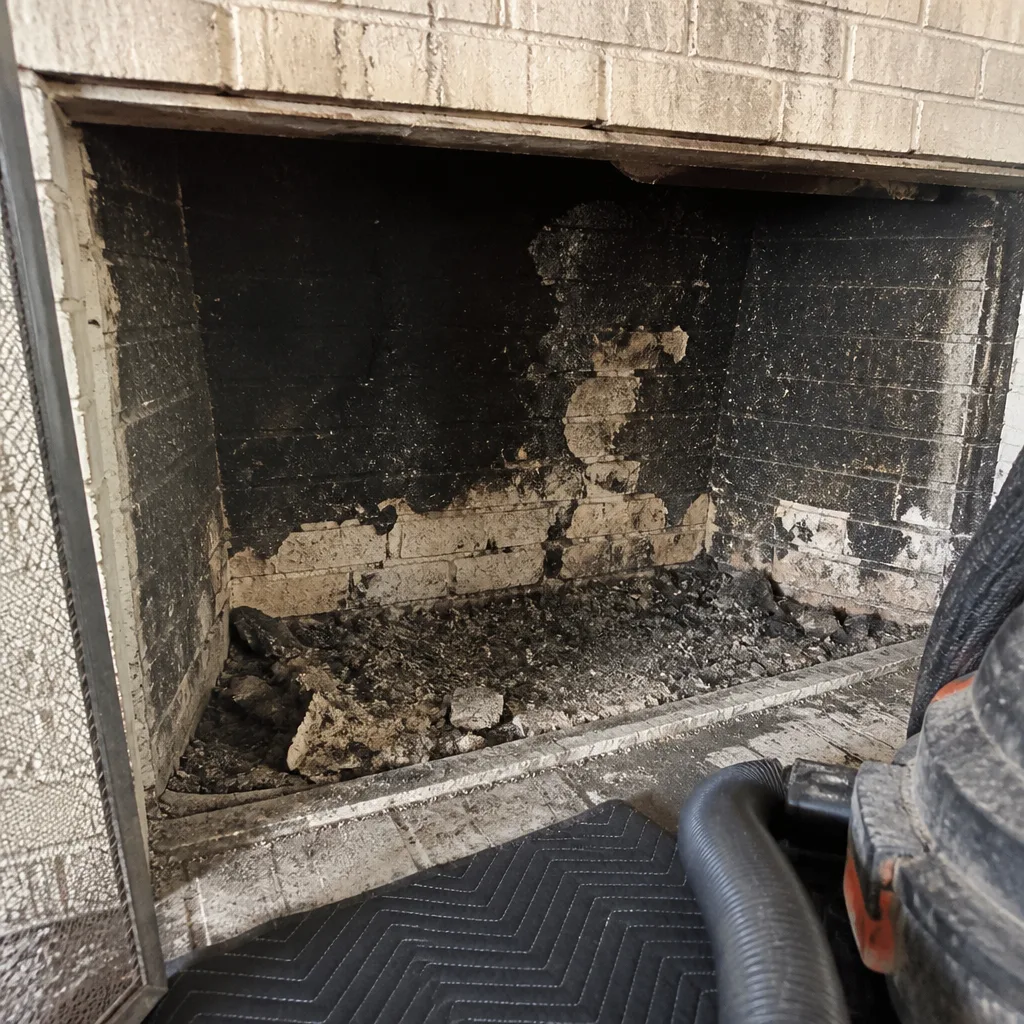 Before
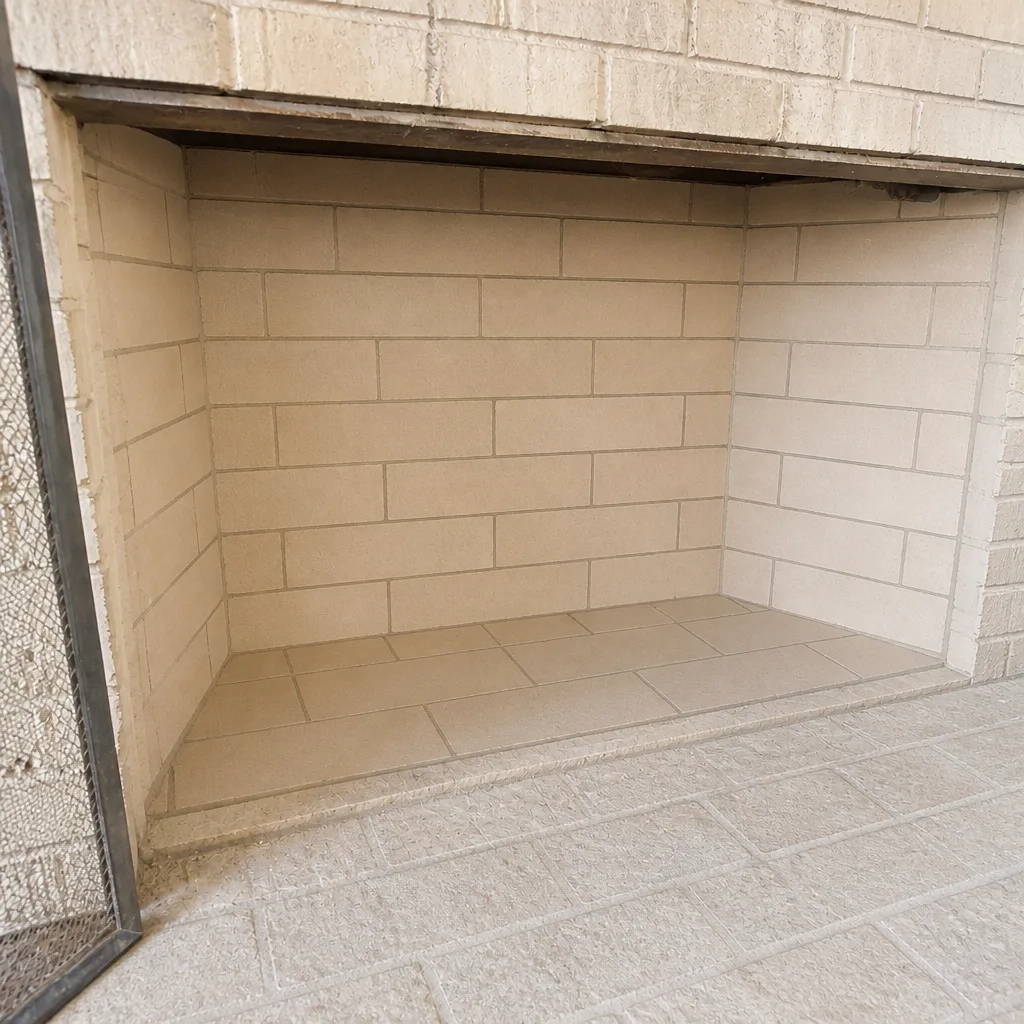 After
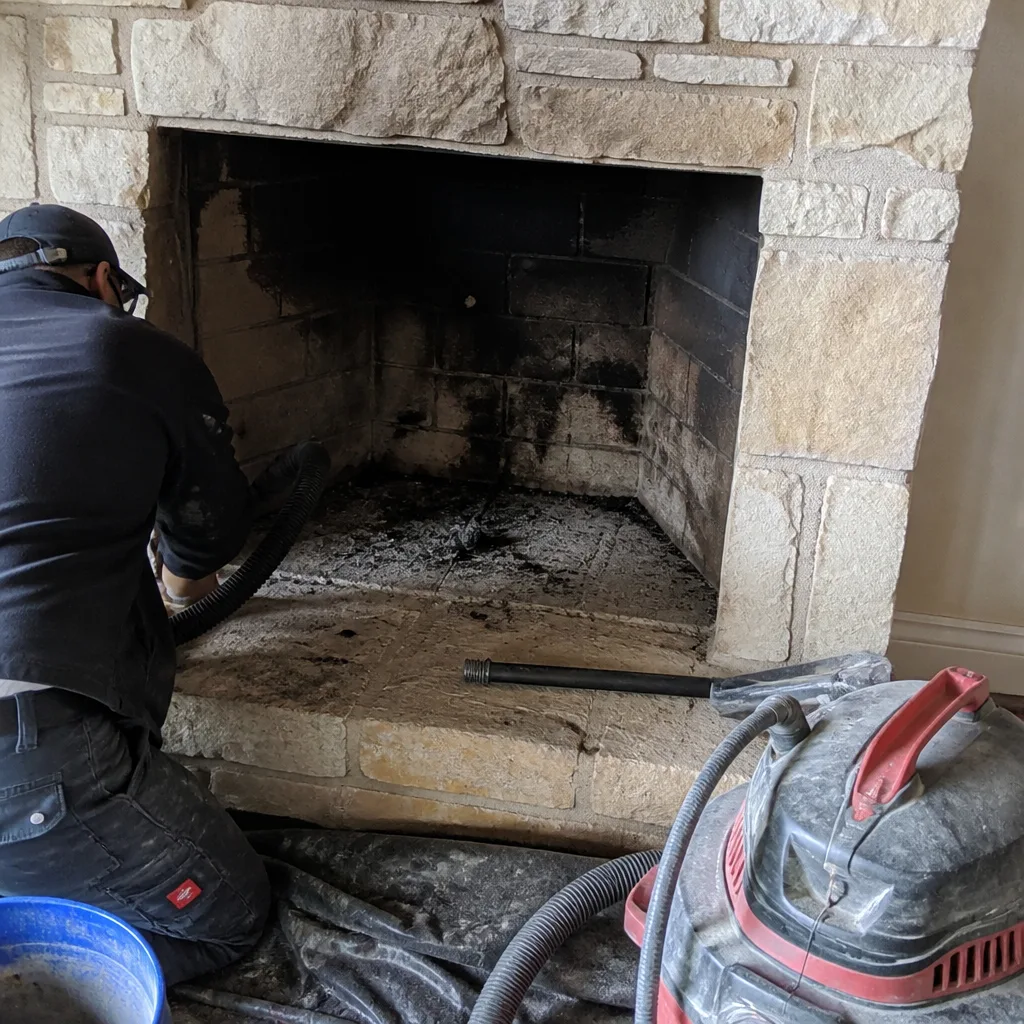 Before
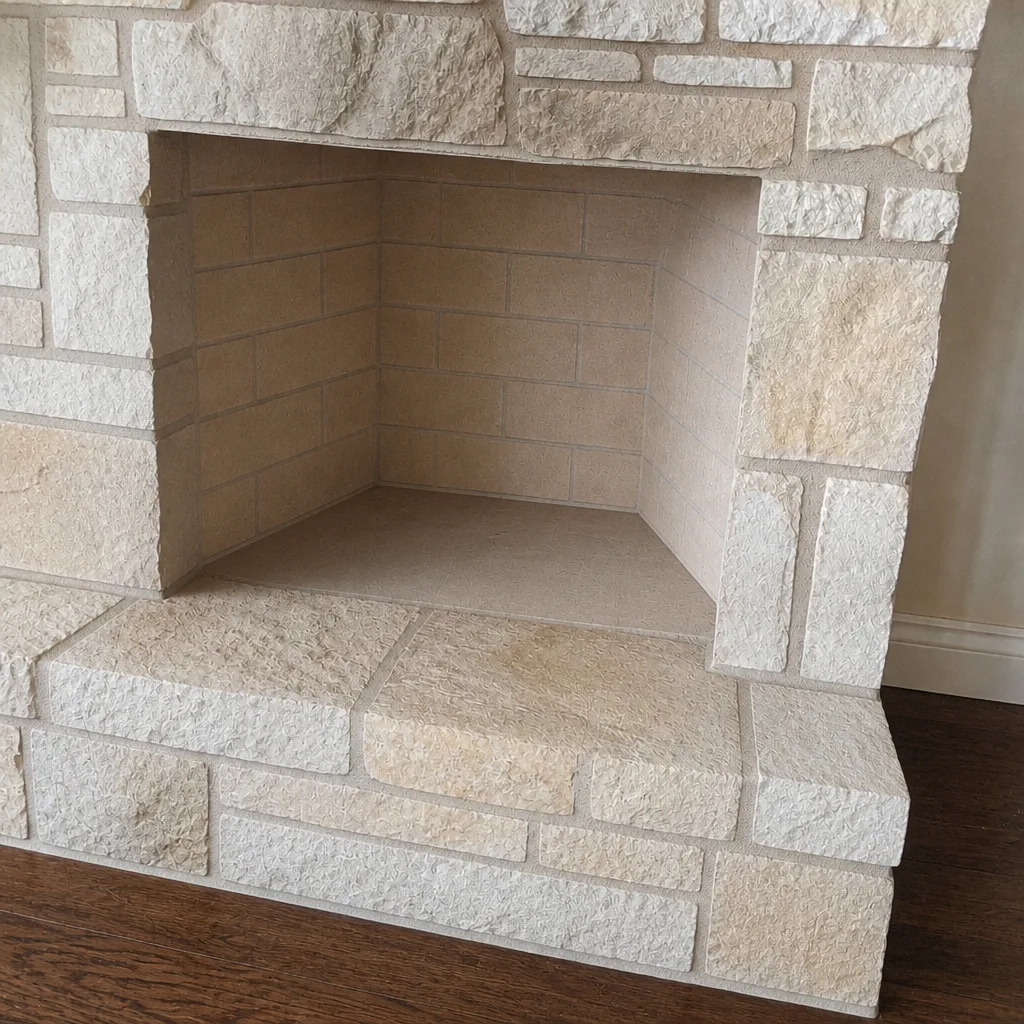 After
Frequently Asked Questions
A professional chimney cleaning in White Rock is priced per job by written estimate, and the estimate is free. The right move is to get the estimate before deciding, since the scope (single flue, smoke chamber, cap and crown) affects the total. Call (844) 877-7238 for an exact quote; estimates are free.
Not always. Deteriorating liners can sometimes be addressed with HeatShield liner restoration instead of a full replacement, depending on what the camera shows. A camera inspection is the deciding factor, and nothing is recommended without visible evidence you can review yourself. Call (844) 877-7238 for a free estimate.
A wood-burning chimney in regular seasonal use generally warrants professional cleaning at least once a year, before the season; a gas fireplace typically needs less frequent service. The right answer depends on how much you burn and what the camera shows. A free estimate is the fastest way to scope it: call (844) 877-7238.
You can remove loose soot and Stage 1 creosote with a properly sized brush kit, but you can’t identify Stage 2 glazed creosote, inspect the smoke chamber, or assess the liner. That’s the honest limit of DIY. For anything beyond a light touch-up, a professional evaluation is the safer path: call (844) 877-7238 for a free estimate.
If the creosote stays in place, the risk is a chimney fire, and the flammable layer is creosote, not soot. Beyond fire risk, skipping maintenance lets small crown and cap issues turn into water damage and lets a lightly cracked liner go unnoticed. Call (844) 877-7238 for a free estimate.
A claim review often asks for evidence of routine maintenance, and a specialist’s dated, photo-documented service record is the strongest evidence. A homeowner’s own brushing is not equivalent. If you’re selling the home or filing a claim, get a professional cleaning and the documentation that comes with it: call (844) 877-7238 for a free estimate.
The Bottom Line
A homeowner with a brush kit can remove soot, and that’s a real accomplishment, but it isn’t a chimney cleaning in the professional sense. A professional evaluation covers creosote staging, the smoke chamber, the liner, and the cap and crown, plus it comes with documentation that matters at the two moments homeowners actually need it: a claim and a sale. For a lightly used gas fireplace, an interim DIY brushing makes sense; for an active wood-burning fireplace in White Rock, the professional route is the better trade. The decision is yours to make with the full picture, and that picture includes a free estimate from a specialist whose job is the whole chimney system, not just the flue wall.
Chimney Sweep White Rock is a chimney-only specialist, working with six professional product lines (Copperfield, DuraFlex, HeatShield, Gelco, Olympia Chimney, and Famco), so a diagnosis and the right material to address it are in the same set of hands. That’s the case for calling: one visit, one specialist, and a written record you can keep. Call (844) 877-7238 for a free estimate. We answer 24/7. Fast dispatch from 7am to 7pm, Sunday through Friday.
Written by the team at Chimney Sweep White Rock.