
Last updated November 25, 2026
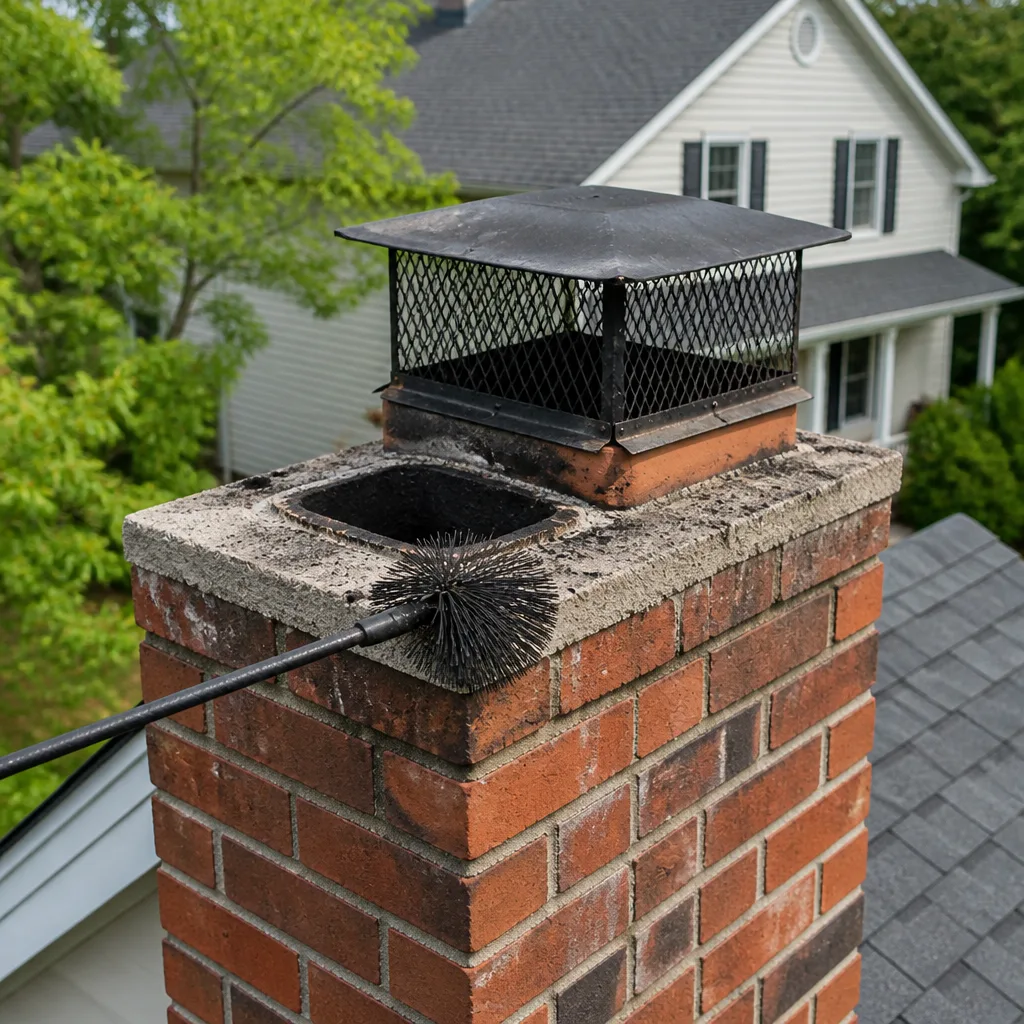 Sweep & inspection
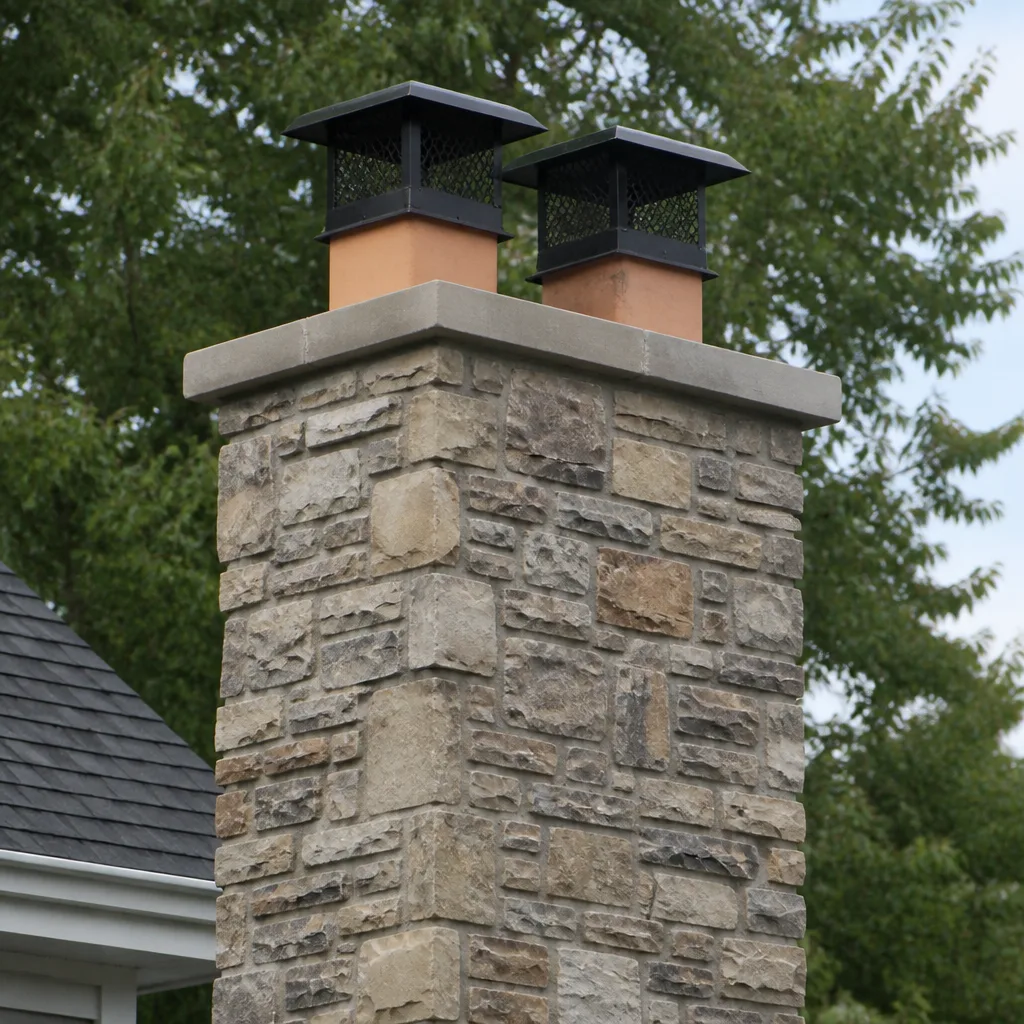 Caps & crowns
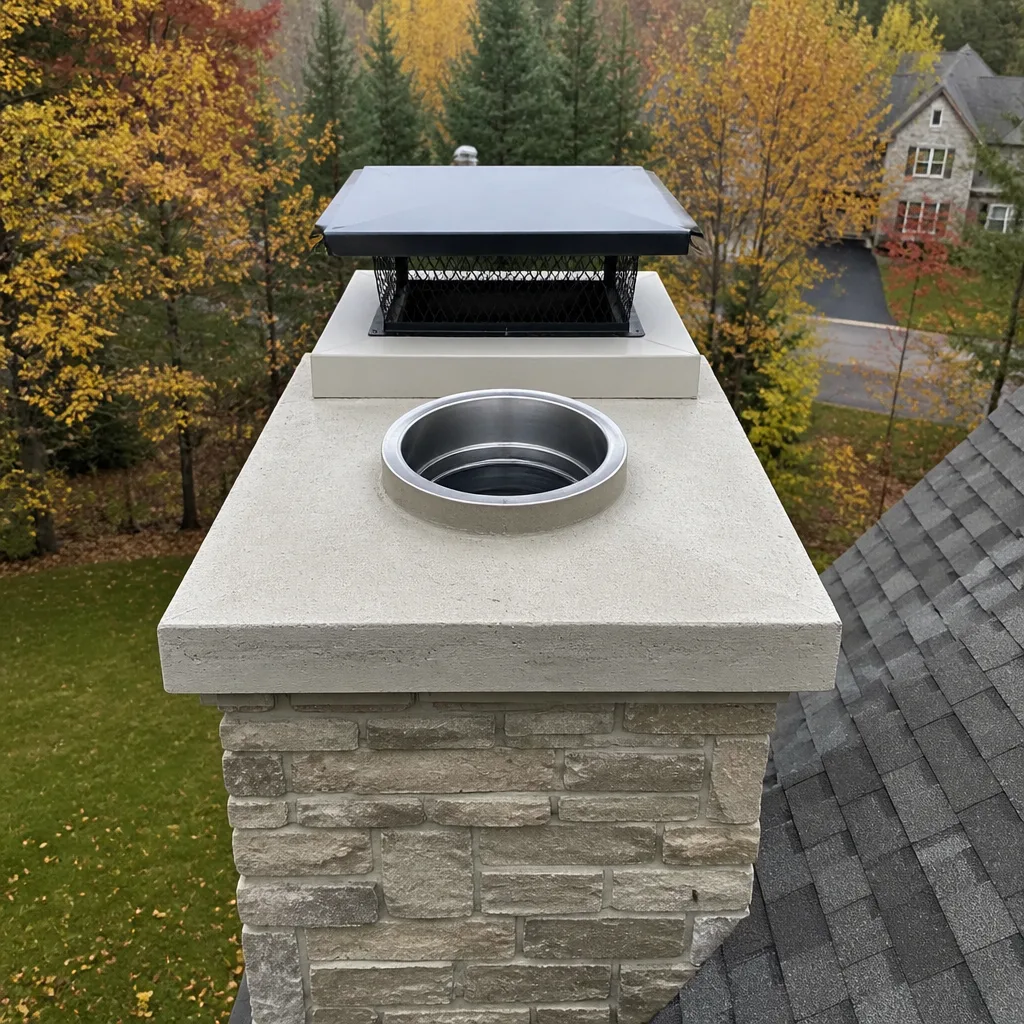 Flue relining
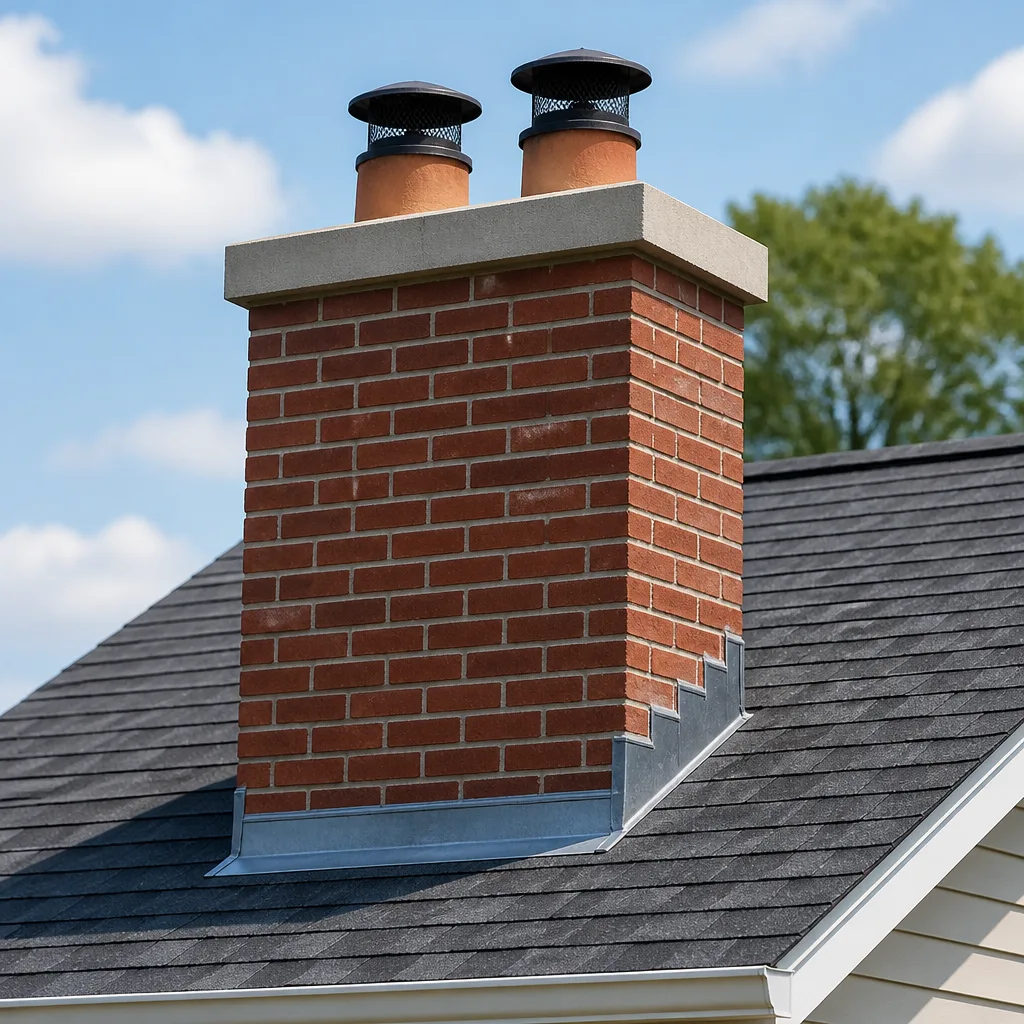 Masonry repair
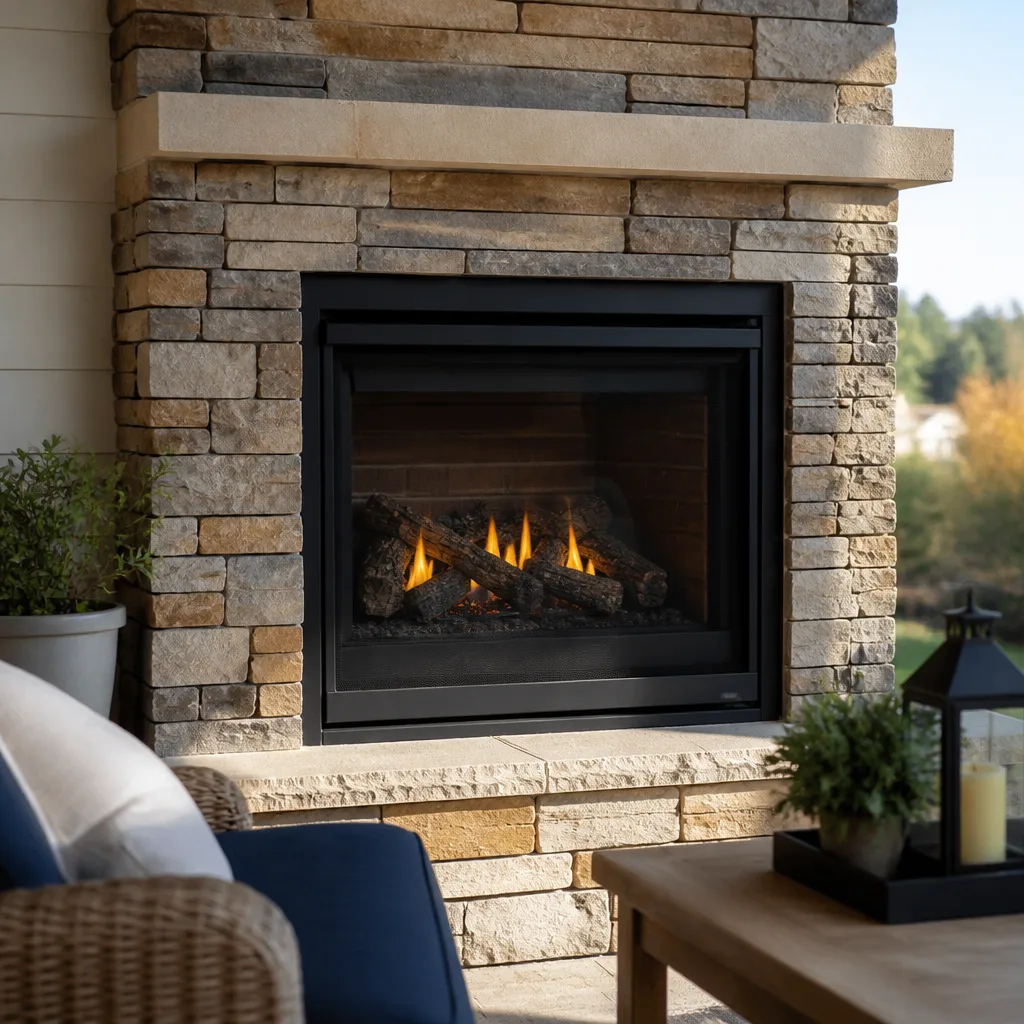 Gas fireplace service
Level 1 sweep and inspection to the NFPA 211 annual standard - flue, crown, cap, and flashing checked and photographed
Chimney sweep logs do not sweep chimneys. They loosen some creosote - which then falls where a brush and vacuum still have to collect it.
Chimney Sweep Maintenance Checklist for White Rock Homeowners
Most chimney problems that show up in December were already visible in October. Not always loudly. A faint creosote smell that wasn’t there in summer, a hairline crack in the crown, a bit of rust on the damper, a flue that stopped drawing cleanly. These are quiet signals, and homeowners miss them not because they’re careless but because no one ever handed them a specific list of what to look for and when.
White Rock‘s burn season is short but intense. Cold snaps arrive fast, households burn hard for a few weeks or months, then the firebox goes cold while spring storms roll through North Texas. That rhythm compresses wear into a tight window and leaves the chimney exposed to moisture for the rest of the year. This guide is a sequenced checklist: what to do before the first fire, what to watch in the middle of the season, and what to handle after the last burn. By the end you’ll know exactly what you can check yourself and what needs a specialist.
Quick Answer
A chimney maintenance checklist for White Rock homeowners runs in three phases: a pre-season inspection and visual check before the first fire, mid-season monitoring for households that burn heavily, and post-season cleaning plus moisture protection once the burning stops. Every phase should end with a professional inspection and a written record of what was found. Homeowners can handle the visual cues on their own; cleaning, liner assessment, cap and crown work, and structural repair belong to a chimney specialist.
Styles & brands we work with
- Sweep & inspection
- Caps & crowns
- Flue relining
- Masonry repair
- Gas fireplace service
Table of Contents
- Pre-Season Checklist: What to Do Before the First Fire
- Mid-Season Checkpoints for Heavy Burners
- Post-Season Tasks That Prevent Off-Season Moisture Damage
- What to Document After Each Professional Visit
- Red-Flag Items That Mean Stop and Call a Professional
- What a Professional Inspection Actually Covers
- Common Mistakes to Avoid
- When to Call a Professional
Pre-Season Checklist: What to Do Before the First Fire
September is the right month in White Rock. It’s still warm enough to work outside comfortably, the spring rain damage is fresh enough to spot, and you’re ahead of the rush that builds once the first real cold front hits North Texas. This is the phase where your own eyes do the most useful work, because what you’re looking for is visible from the ground.
Start with a walk-around from outside. You don’t need a ladder for most of this; binoculars help if the chimney is tall.
- Look at the crown. The crown is the concrete or masonry cap at the very top that sheds water away from the flue. Cracks, missing chunks, or a crown that looks like it’s pulling away from the flue are all water-damage signals waiting to happen.
- Check the cap and spark screen. A chimney cap should be intact and screened. Missing screens invite birds and squirrels; a damaged cap lets rain straight into the flue.
- Inspect the flashing where the chimney meets the roof. Lifted or rusted flashing is one of the most common leak sources on White Rock homes.
- Scan the exterior brick or siding for staining. White streaks (efflorescence) or dark stains below the roofline suggest water has been moving through the masonry.
- Check the firebox and damper from inside. Look for cracked firebrick, crumbling mortar joints, and a damper that opens and closes smoothly.
- Open the damper and smell. A strong creosote odor or a draft that feels blocked is worth a professional look before you light anything.
- Confirm your smoke and carbon monoxide detectors work. This isn’t a chimney check, but it belongs in the same walkthrough because it’s the safety net for everything else.
Anything on that list that looks wrong is a reason to have the chimney sweep and inspection done before the season, not after. The point of September is to catch it early.
Mid-Season Checkpoints for Heavy Burners
If your household burns more than three cords of wood in a season, the annual model doesn’t fit your chimney. You’re layering creosote fast enough that a single sweep at the start of the season isn’t the whole story. This is the category where we see the most avoidable damage, because the buildup happens invisibly inside the flue while the firebox still looks fine.
Heavy burners in White Rock should plan a mid-season check, typically around the point where you’ve burned through about half your wood supply. It doesn’t have to be a full sweep every time, but a technician should look down the flue and confirm the creosote layer is still within safe limits.
Between professional checks, watch for these signs at home:
- Reduced draft. If smoke rolls into the room when you first light a fire, or the fire is sluggish to catch, the flue may be narrowing with soot.
- Smoke backing up during reloads. A flue that handled a full firebox in November but chokes on a reload in January is telling you something.
- Stronger odor when the fireplace is cold. Creosote smell intensifies as the layer thickens.
- Visible flaky or glazed creosote at the top of the firebox. Glazed creosote is the dangerous kind, and it doesn’t brush off with a standard sweep.
- Persistent smoke smell in the house even when you haven’t lit a fire recently.
Pair the mid-season check with your post-season plan. Every professional visit is a chance to understand what your chimney needs before it becomes an emergency, and heavy-burner households get more value from an early read than from a scramble in the middle of a cold snap.
Post-Season Tasks That Prevent Off-Season Moisture Damage
Once the last fire burns out, most homeowners stop thinking about the chimney until fall. In White Rock, that’s roughly half the year of exposure to North Texas spring storms, driving rain, and wind. Everything that protects the chimney from water is doing its most important work while you’re not looking at it. Post-season is when you close the system up properly.
The logic is simple. Fireplaces and flues are designed to be dry. Standing moisture in a masonry flue breaks down mortar joints over time, rusts dampers and metal liners, and degrades the crown from the inside. Once water is in, the repairs get more expensive with every season that passes. That’s why our cap, crown, and flashing work is never just cosmetic; it addresses the actual entry points.
Here’s the post-season sequence we recommend for White Rock:
- Do a full professional sweep. Clear out the creosote and ash while it’s still removable. Left in place over the off-season, creosote absorbs moisture and corrodes the liner.
- Have the flue and firebox inspected again. Spring inspection catches winter damage before it worsens over the summer, and it’s the cheapest time to plan a repair.
- Confirm the cap is intact. A loose or missing chimney cap & crown sends rain straight down the flue for months.
- Check the crown for new cracks. Summer heat and spring storms crack crowns faster than people expect, and a hairline crack becomes a leak channel over the wet season.
- Look at the flashing and roofline after every major storm. If you spot a leak inside the house near the chimney, call before it spreads into the ceiling and framing.
- Close the damper fully and seal the firebox opening if the fireplace is decorative. A closed system is a dry system.
- Repair any cracked firebrick or loose mortar at the firebox. This is part of fireplace repair and something a sweep-only visit won’t catch.
What to Document After Each Professional Visit
Two things stay true about a chimney: it’s expensive to repair, and it’s hard for a future buyer or insurer to verify how it’s been maintained. A chimney with a written history reads as a chimney that’s been cared for. A chimney with nothing but a vague “we had it swept a few years ago” reads as an unknown. Documentation is the cheapest resale protection you can build into the checklist.
After every professional visit, keep a folder (paper or digital) with these items:
- The date of the visit and the service performed (sweep, inspection, cap work, repair).
- The name of the technician or company who did the work and their contact information.
- A written summary of what was found. Any observations about the flue liner, crown, cap, flashing, firebox, and damper should be recorded, even if no repair was needed.
- Photos, if available. Photos of the flue before and after any work (especially liner restoration) are the strongest record you can hold.
- Copies of any invoices or estimates, including the scope of work on repairs you declined or scheduled.
- Confirmation of warranty or material information for any liner, cap, or crown product installed.
This is the single biggest reason we work with professional product lines like HeatShield and Olympia Chimney. Not because the brand name matters to you as a homeowner, but because knowing the exact product used means you or a future owner can trace the material and its expected performance. That’s a piece of the maintenance history you can actually hand over.
Red-Flag Items That Mean Stop and Call a Professional
Most of the checklist is monitoring and recording. A few items are different. These are the ones where a homeowner should stop the do-it-yourself work, definitely not light another fire, and call a trained professional. We’d rather you call about something that turns out to be nothing than ignore something that turns out to be a serious hazard.
- Any crack or separation in the flue liner. The liner is what keeps combustion gases and heat away from the framing of the house; a visible crack means gases can escape into the walls and attic.
- Visible glazed or flaky creosote buildup. Glazed creosote is the type most associated with chimney fires. It doesn’t brush off and shouldn’t be attacked with household tools.
- Crumbling or missing mortar between flue tiles. This is a structural signal, not a maintenance item.
- Any visible crack in the firebox that goes through the brick. Cracks deeper than the surface layer allow heat through the wall.
- Smoke backing into the room consistently, even with a clean flue. Could be a draft problem, a structural issue, or a blockage.
- Water stains on the ceiling or walls near the chimney. That’s an active leak, and it gets worse with every storm.
- A carbon monoxide detector going off, or persistent headaches, nausea, or drowsiness when the fireplace has been running. Get out of the house, call the fire department, and don’t relight until a professional clears the system.
- Loose or missing bricks on the exterior chimney stack. This is a structural stabilization issue, not routine maintenance.
None of these are things to watch and see. Every one of them is a “call today” item, and every one is diagnosable by a technician on-site.
What a Professional Inspection Actually Covers
A professional inspection is not “shine a flashlight up the flue and say it looks fine.” A full inspection covers the whole chimney system from the firebox to the crown, and it usually happens in three parts.
- From the firebox up. The technician inspects the firebox, damper, smoke shelf, and the lower portion of the flue with specialized lighting. This is where most early problems start.
- From the roof down. The crown, cap, spark screen, flashing, exterior masonry, and the top of the flue get checked directly. Anything visible from the roof or with a camera is documented.
- Inside the flue. Where visible, the technician confirms the liner’s condition and records creosote levels. If a camera is used, you should be shown the footage, not just told what was seen.
At the end, a proper inspection produces a written finding: what’s healthy, what’s marginal, what needs repair, and what can safely wait. A specialist who does the diagnosis and the repair under one roof, using professional product lines like HeatShield, Gelco, and Famco, can act on what they find without looping in a second contractor. That matters because the report and the repair stop being two separate conversations.
The HeatShield liner restoration process is the clearest example of why this matters. A deteriorating flue liner doesn’t always require a full replacement. Where the liner is still structurally sound enough for restoration, HeatShield products can address the deterioration without tearing out the existing structure. That’s not a service every sweep company offers, and finding out it’s an option can change the scope and cost of a repair.
Common Mistakes to Avoid
- Treating a sweep as the whole job. A sweep clears creosote. It doesn’t inspect the crown, test the liner, or check the flashing. Owners who only book sweeps are the ones who find out about water damage in February.
- Skipping the fall inspection because the fireplace worked fine last year. The most common time to find a problem in White Rock is the first cold snap, when the flue sees its first sustained fire in months. That’s the worst moment to discover a liner issue.
- Burning unseasoned wood to save on cost. Wet or green wood creates more creosote per cord than dry wood, and it’s a top cause of the heavy-buildup pattern we see in mid-winter.
- Using the checklist to skip professional cleaning. Visual checks are a supplement to professional cleaning, not a substitute. You can’t safely or effectively clear a flue from the firebox opening.
- Ignoring the roof. The chimney is attached to the roof, and the most common water-damage path in North Texas isn’t the flue; it’s the flashing and the crown. Storm-driven rain finds the weak point.
- Leaving the cap off “for ventilation.” A missing cap lets in rain, animals, and debris; it doesn’t improve draft. A proper screened cap allows ventilation and blocks water.
- Assuming a contractor who says “we can do chimneys too” has the parts and the expertise. A generalist often has to order specialty components or refer the job out; a chimney specialist has the right product for the right repair on hand, or can source it quickly.
When to Call a Professional
Call a professional if you’re opening a firebox or flue that hasn’t been inspected recently, if anything on the red-flag list is present, or if your household burns more than three cords a year. Also call after any major storm if you see water near the chimney, and call before the first fire of the season in White Rock so the inspection and sweep are done while there’s still room in the schedule.
If you’re not sure whether something qualifies, call anyway and ask. We’d rather talk you out of an unnecessary repair than have you skip one that matters. Chimney Sweep White Rock offers free estimates in White Rock; call (844) 877-7238 to schedule an inspection or sweep. We handle the full chimney system from the firebox to the crown, and we work with you on a written estimate for whatever the inspection finds.
See the difference
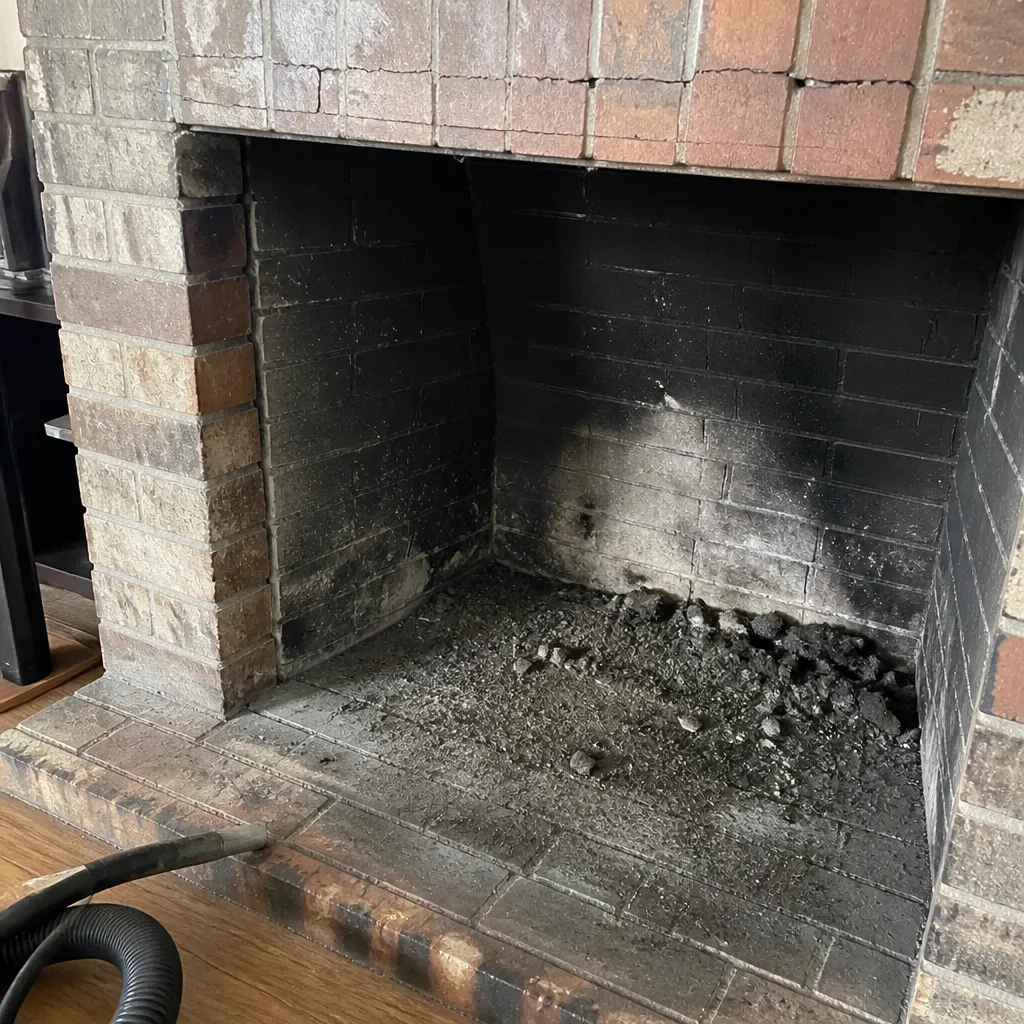 Before
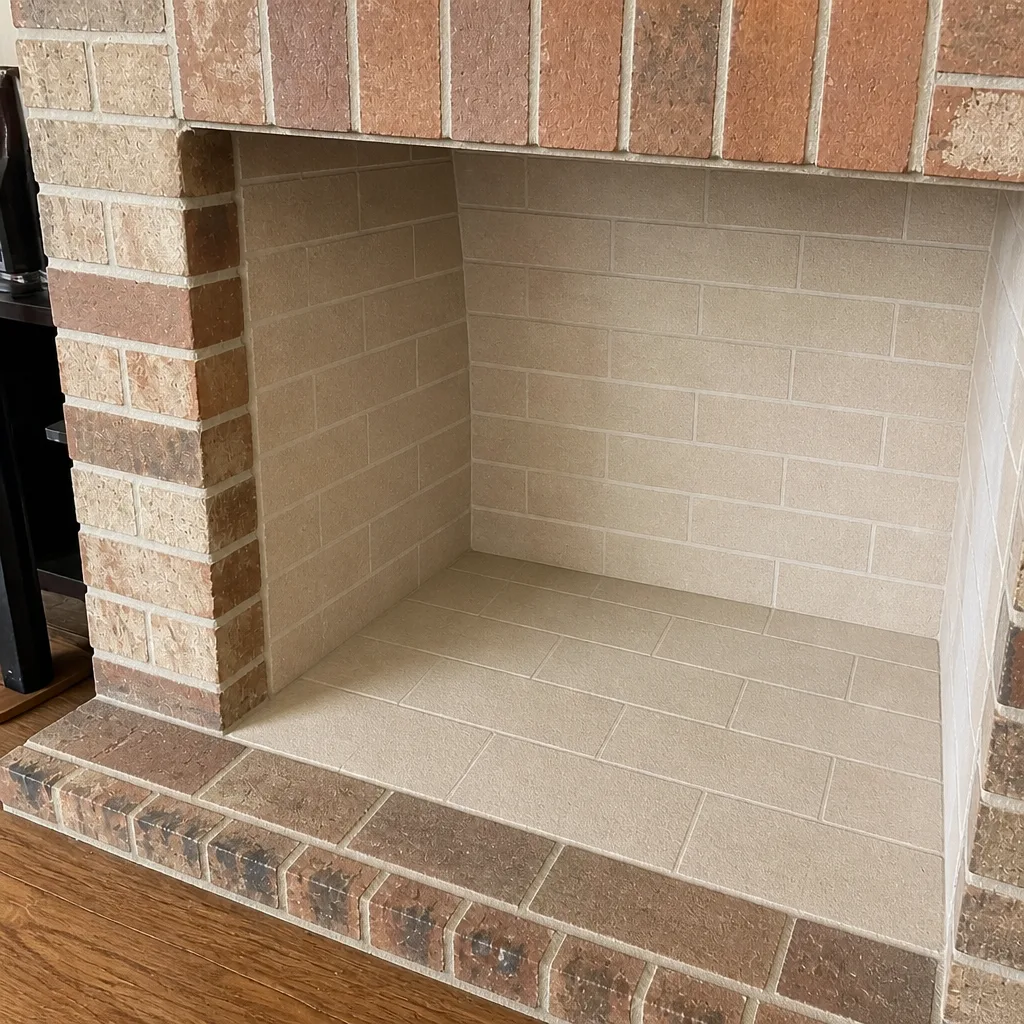 After
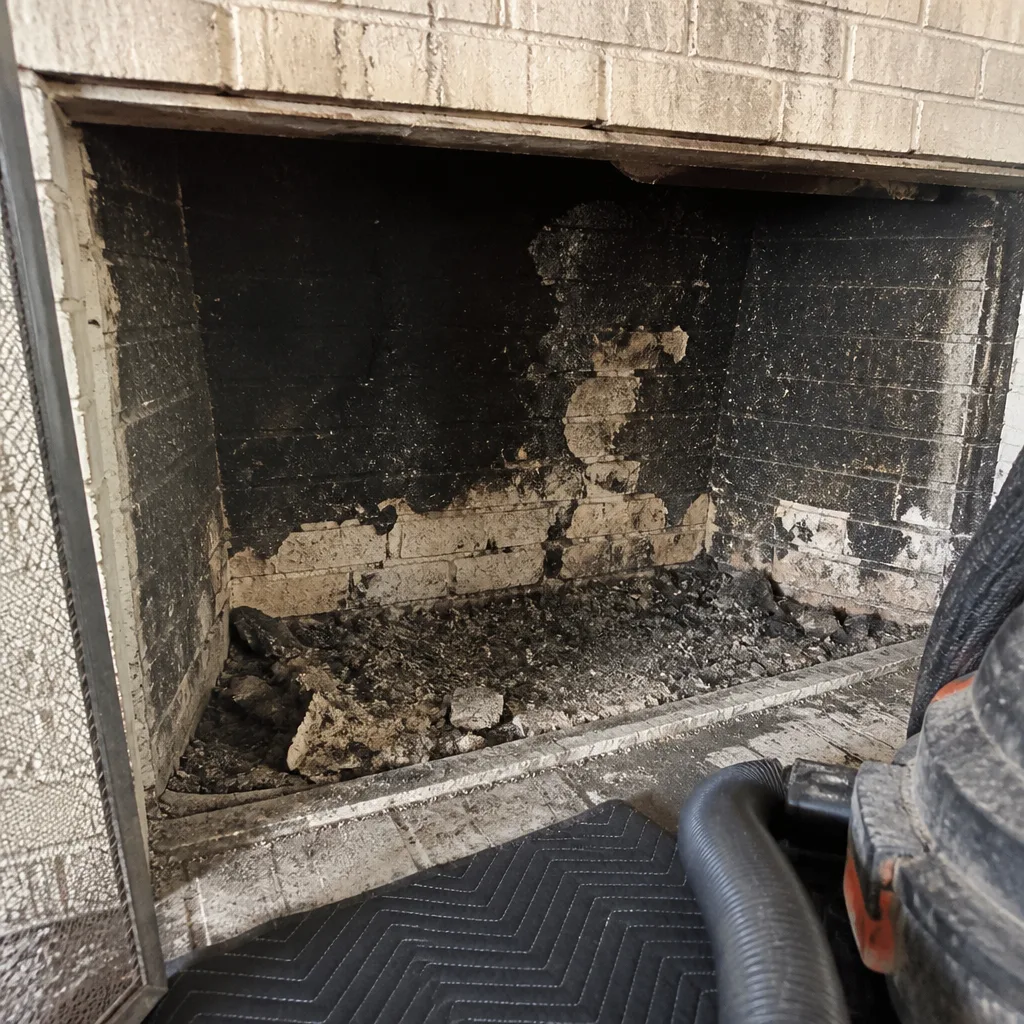 Before
 After
 Before
 After
Frequently Asked Questions
Once a year if you burn regularly, and more often if you burn more than three cords of wood per season. The right time to schedule is before the first fire in fall, so the sweep and inspection are done before the season starts and any repairs can be planned rather than rushed. If you skip a year, you’re not just going without a cleaning; you’re going without the inspection that catches crown, liner, and flashing problems while they’re still cheap to fix.
A sweep clears creosote and ash; an inspection examines the whole system from the firebox to the crown and produces a written finding. A sweep without an inspection clears a clean-looking flue but doesn’t tell you whether the liner, cap, flashing, or crown is still sound. Most professional visits should include both, because the point of maintenance is to catch problems at inspection before they become expensive repairs.
You can and should do the pre-season visual checks from the ground and from the firebox, and this guide lists exactly what to look for. But visual checks from below never tell you the full story of the flue liner or the state of the crown. Professional inspection is what confirms the system is actually clear and safe, not just that it looks fine from the living room.
If you haven’t lit a fire and haven’t had the flue inspected recently, treat it as not yet cleared and call before you burn. If a fire has already been lit and something on the red-flag list shows up (smoke backing into the room, unusual odor, a stuck damper), stop using the fireplace and have it looked at before the next fire. A trained professional will tell you clearly whether it’s safe to continue or not.
The main defenses are the chimney cap and the crown. A screened cap blocks rain from dropping straight into the flue, and a sound crown sheds water away from the flue opening and the masonry. Check the flashing where the chimney meets the roof after big storms too, since that’s the entry point most people don’t look at. Cap and crown work on White Rock homes is often the highest-value line in the maintenance budget, because it prevents the interior damage that shows up months later.
A cold-fireplace smoke smell is usually a draft issue, a creosote accumulation problem, or an unsealed flue. None of these are things to ignore, and none are things we recommend homeowners try to fix. Have the flue inspected, and if you smell smoke strongly enough to be uncomfortable in the house, get the chimney checked before lighting another fire. Call (844) 877-7238 to schedule; we answer 24/7 and dispatch runs 7am to 7pm, Sunday through Friday.
The Bottom Line
Chimney maintenance in White Rock runs on three phases, not one annual appointment. Check the visible system in September before the first fire, monitor creosote and draft if you burn heavily, and close things up after the last fire with a sweep, an inspection, and any cap, crown, or flashing work the season exposed. Document every professional visit so the record follows the house. Then use the red-flag list as your stop signs: those are the moments when the checklist ends and a chimney specialist starts. The whole point is to catch problems at inspection, when they’re still cheap to fix, rather than in December when they aren’t.
Written by the team at Chimney Sweep White Rock.