
Last updated November 25, 2026
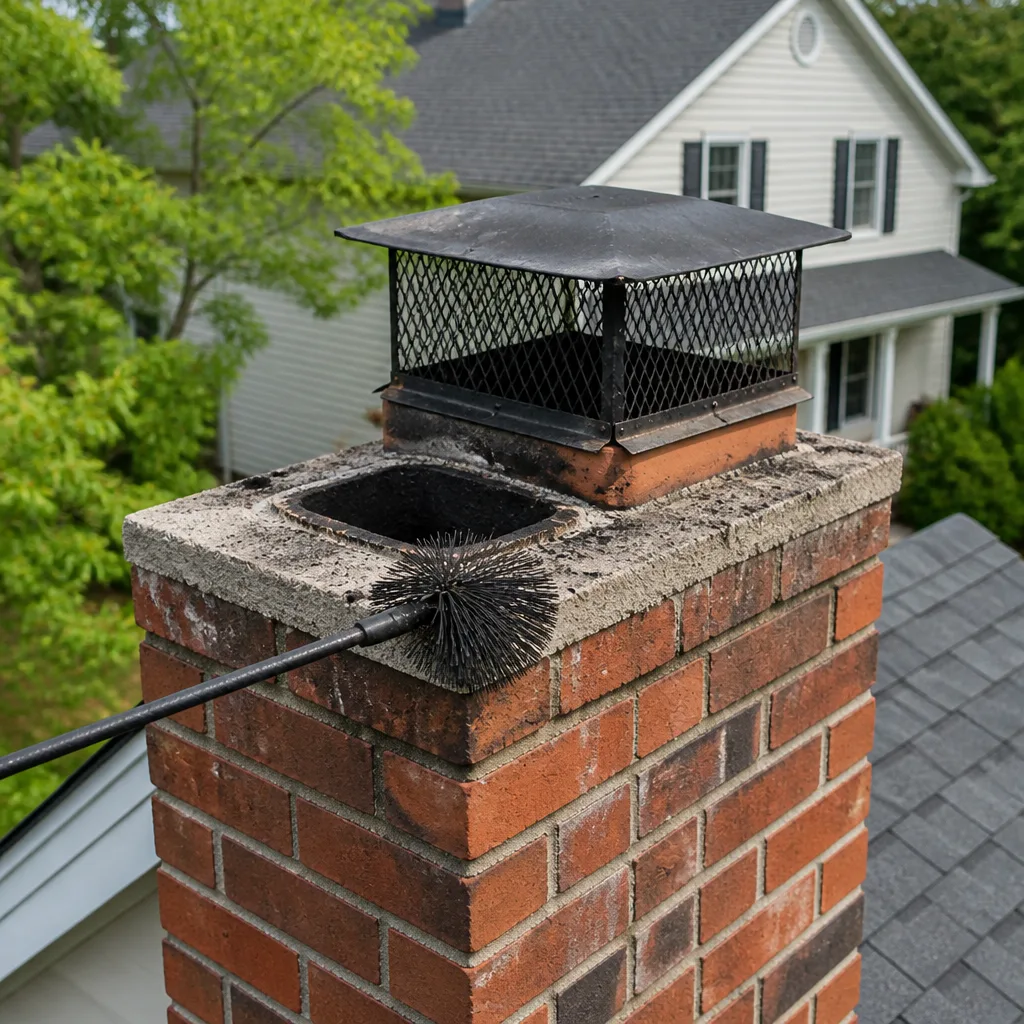 Sweep & inspection
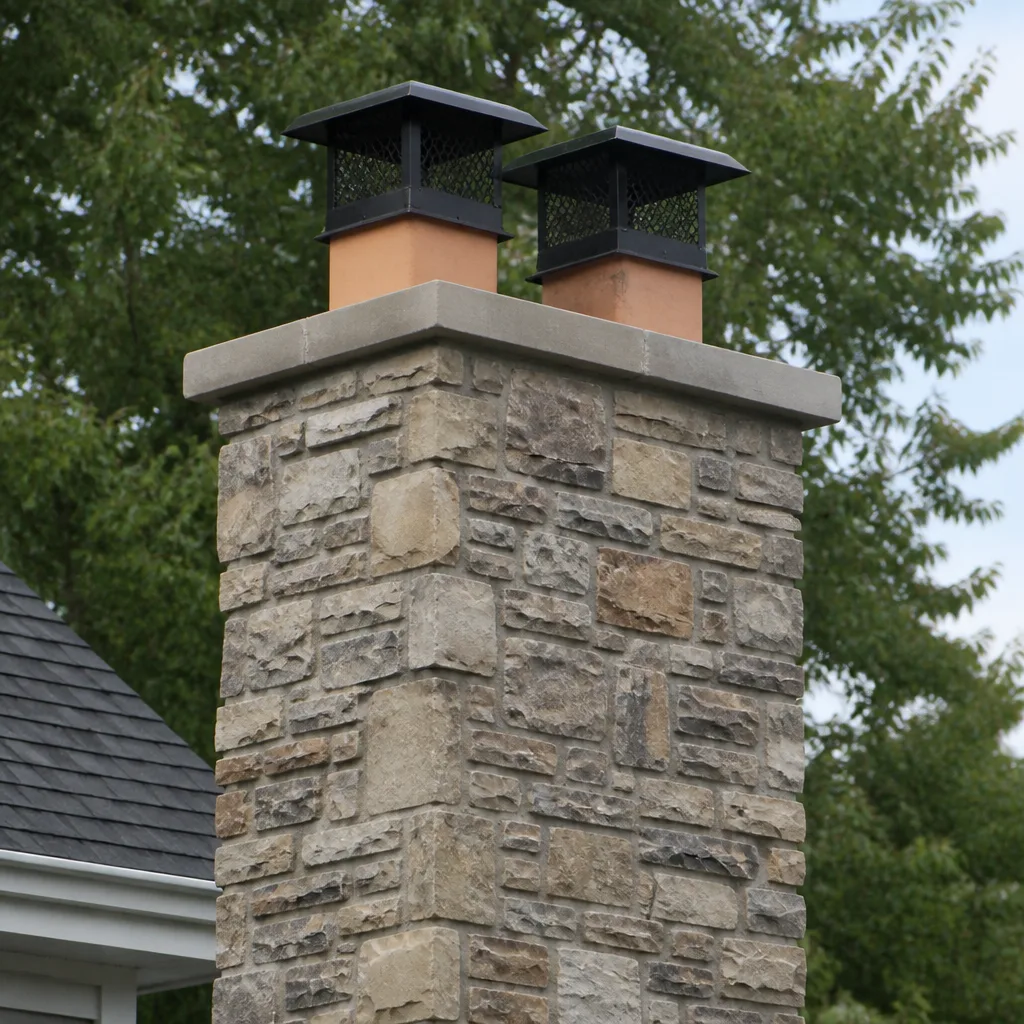 Caps & crowns
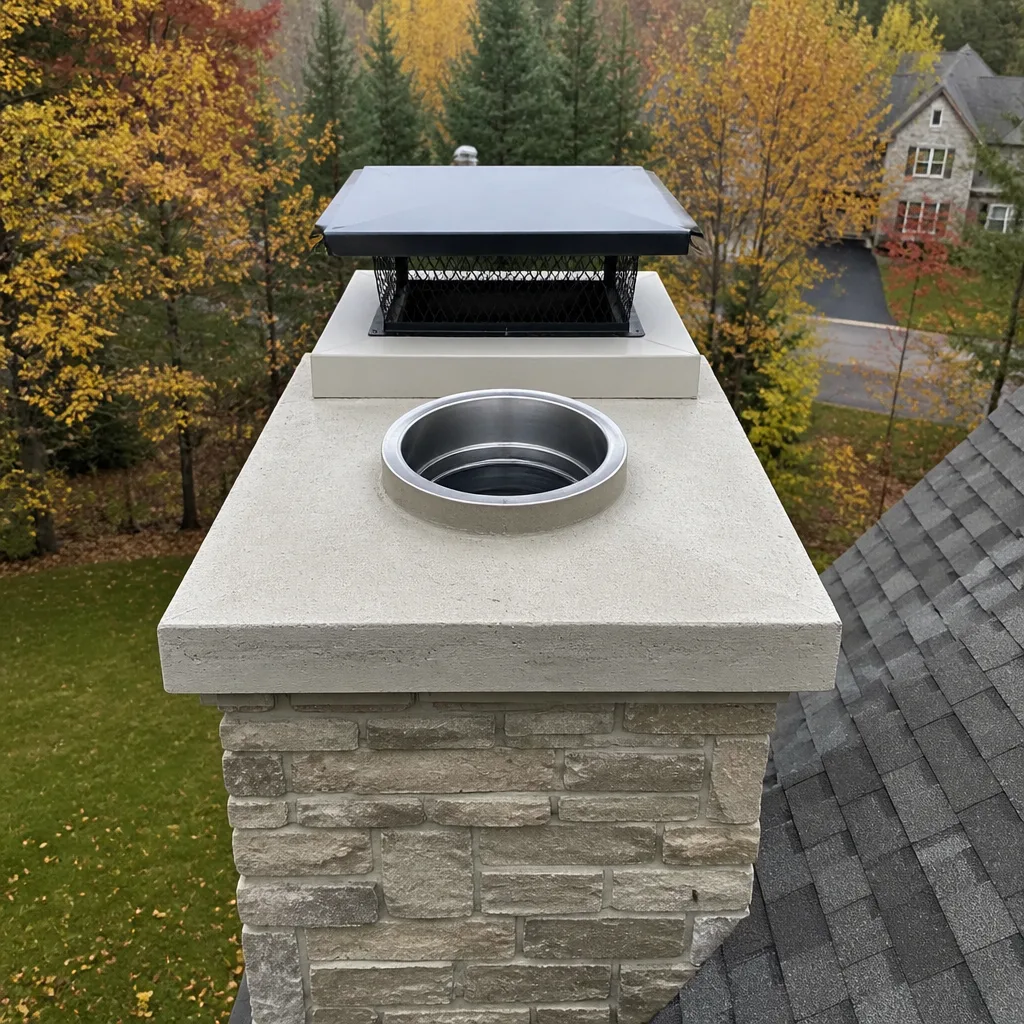 Flue relining
 Masonry repair
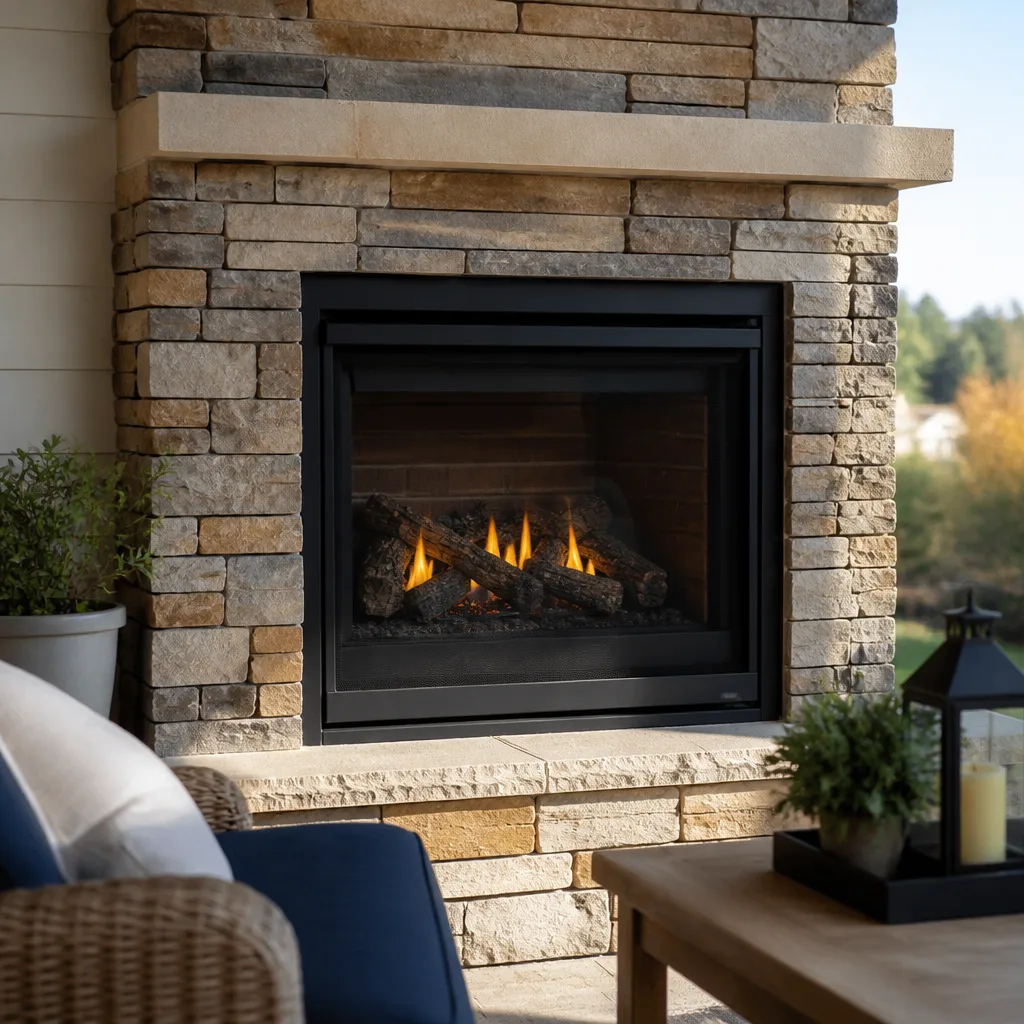 Gas fireplace service
Level 1 sweep and inspection to the NFPA 211 annual standard - flue, crown, cap, and flashing checked and photographed
Chimney sweep logs do not sweep chimneys. They loosen some creosote - which then falls where a brush and vacuum still have to collect it.
How to Hire a Chimney Cleaning Contractor in White Rock: A Step-by-Step Guide
Most homeowners assume the person holding the brush is the person who knows the chimney. In Texas, there’s no state license required to call yourself a chimney sweep, so the burden of vetting falls entirely on you. That’s the counterintuitive part: the questions you ask before booking matter more than the price you’re quoted. A cheap sweep who cleans the flue but misses a cracked crown has done half a job and left the expensive half for later. This guide walks White Rock homeowners through the exact vetting questions that separate a full-system chimney specialist from a generalist with a brush and a ladder.
Quick Answer
To hire a chimney cleaning contractor in White Rock, verify CSIA or NFI certification, ask what professional-grade materials they stock for repairs, request a written estimate that separates cleaning from inspection, and confirm general liability insurance specifically covers chimney work. The right contractor handles sweeping, inspection, cap and crown, fireplace repair, and chimney repair without subcontracting any of it. A legitimate chimney specialist will answer all five vetting questions below without hesitation.
Styles & brands we work with
- Sweep & inspection
- Caps & crowns
- Flue relining
- Masonry repair
- Gas fireplace service
Table of Contents
- Why Texas Doesn’t License Chimney Sweeps
- Which Certifications Actually Matter
- Five Questions to Ask Before You Book
- What a Written Estimate Should Include
- How to Verify Insurance for Chimney Work
- Cleaning Quote vs. Full-System Inspection Quote
- Why Full-System Specialists Beat Generalists
- Common Mistakes to Avoid
- When to Call a Professional
- Frequently Asked Questions
Why Texas Doesn’t License Chimney Sweeps
Texas has no state licensing requirement for chimney sweeps. Anyone with a ladder, a brush, and a business card can advertise chimney cleaning in White Rock and the surrounding Dallas-area suburbs. That’s not a loophole; it’s simply how the trade is regulated here. Compare that to electrical or plumbing work, where a license number is mandatory and searchable, and you start to see the gap homeowners face.
That gap is why third-party certification matters so much in this market. A CSIA (Chimney Safety Institute of America) certification or an NFI (National Fireplace Institute) credential isn’t a government stamp, but it does verify that the technician has passed a proctored exam on chimney and venting systems and committed to a code of ethics. Those credentials are the closest thing to a license Texas offers.
The practical consequence is that White Rock homeowners need to do the vetting themselves. Every question in this guide exists because the state won’t ask it for you. The good news: a genuine specialist will welcome the questions. A generalist will get uncomfortable around question three.
Which Certifications Actually Matter
Two certifications carry real weight in the chimney trade: CSIA and NFI. Each verifies something different, and knowing what they test helps you read a contractor’s credentials accurately.
CSIA Certification
The CSIA Certified Chimney Sweep credential is earned by passing a proctored exam covering chimney construction, venting, inspection standards, and sweeping practice. It verifies technical knowledge of how a chimney system is built and how it fails. It doesn’t verify that the company stocks repair materials or handles structural work, but it does confirm the individual has been tested on the fundamentals.
NFI Certification
NFI certification focuses on hearth appliances: wood stoves, gas fireplaces, and their venting. A technician with NFI certification has been tested specifically on how appliance installation and venting interact with the chimney system. If you have a wood-burning insert or a gas fireplace, NFI credentials are directly relevant to your setup.
What Neither Certification Guarantees
- That the company carries general liability insurance (ask separately)
- That the company stocks professional-grade repair materials (ask specifically)
- That the company handles structural chimney repair rather than subbing it out (ask for the scope in writing)
- That the individual technician arriving at your door is the certified one (ask who’s coming)
In our experience, the best signal is a company that volunteers certification details before you ask. A chimney-only specialist has nothing to hide on the credential question. A pressure-washing company that upsells chimney work usually hasn’t invested in either certification.
Five Questions to Ask Before You Book
These five questions reveal whether you’re talking to a full-system specialist or someone with a brush and a business card. Ask them in this order. The answers to the first two tell you whether the remaining three are even worth asking.
1. “Are you CSIA or NFI certified, and who will actually be on-site?”
Certification attaches to an individual, not a company phone number. Ask who’s coming and whether that person holds the credential. If the company can’t name the certified technician, the certification may not be on your job.
2. “What brands do you stock for repairs, and why those?”
This is the question that separates specialists from generalists. A full-system chimney company works with professional-grade product lines like DuraFlex, Olympia Chimney, Famco, and Copperfield. Those brands exist because chimneys fail in specific ways that require specific materials: a liner system for one problem, a crown coating for another. A generalist typically buys whatever’s available at a retail home center, which means the material is chosen by convenience, not by fitness for your chimney. When you ask what they stock, a specialist can name the lines and explain when each is used. A generalist gets vague.
3. “Does your cleaning visit include an inspection, and at what level?”
Cleaning and inspection are different services. Ask whether a camera is used, whether photos are provided, and whether the inspection is documented in writing. A sweep without inspection is like a car wash without a look under the hood.
4. “Do you handle cap, crown, and flashing work yourself, or is it subcontracted?”
Water damage is the most common chimney repair driver, and cap, crown, and flashing work is what prevents it. If the company sub-contracts this, you’re now coordinating two contractors and nobody owns the full result.
5. “Can you show me current general liability coverage?”
Ask to see a certificate of insurance. Confirm it’s active, confirm the coverage is general liability (not just commercial auto), and confirm the policy is current. This is covered in more detail below.
What a Written Estimate Should Include
A verbal quote is a guess. A written estimate is a commitment. The difference matters most when repair work emerges from the cleaning, because that’s when the number can move without your consent. Here’s what a legitimate written estimate should contain, and what should trigger caution.
What a Legitimate Estimate Includes
- Scope of the cleaning. Which flue(s), which appliances, and what’s included in the base price.
- Inspection level. Whether the inspection is Level 1, 2, or 3, and what each covers.
- Line-item pricing. Cleaning, inspection, and any recommended repair separated and priced individually.
- Material specifications. If repair is recommended, which product line and component will be used.
- Photo evidence. A camera inspection with photos provided so you can see what the technician saw.
- Expiration or validity window. Estimates that don’t expire within a defined period are worth fewer than ones that do.
Red Flags in a Quote
- Verbal-only pricing with “starting at” language and no written scope
- A single lump-sum number with no breakdown between cleaning and inspection
- Repair recommendations with no camera photos to justify them
- Estimates that escalate significantly once the technician is on the roof
- Pressure to sign a repair authorization before the inspection results are explained
We always put the estimate in writing before the job is booked, with the sweep price agreed up front. The repair recommendation, if any, comes with photos the homeowner can see. That’s the difference between an estimate and whatever comes out of a truck-side conversation.
How to Verify Insurance for Chimney Work
Chimney work happens on roofs and involves heights. General contractor liability insurance may not cover roof work, and it may not cover chimney-specific exposure. That’s why you verify the policy, not just the existence of one.
The Three Things to Confirm
- General liability is active. Ask for a certificate of insurance and check the effective and expiration dates. Note the certificate date, not just the policy date.
- Coverage is general liability, not commercial auto. Ask explicitly. A truck policy doesn’t cover a dropped crown on your roof.
- Coverage limits are appropriate. High-value structural work on a chimney should be matched by a coverage limit you’re comfortable with. The local pro will be licensed and insured as their state requires.
A Note on Workers’ Compensation
If a technician is injured on your property and the company doesn’t carry workers’ compensation, the claim could fall to your homeowner’s policy. Ask about workers’ comp separately. It’s not the same as general liability.
Here’s the connection to certification: an uninsured generalist with no certification is the worst-case combination for a roofline job. The premium for verification is a phone call. The cost of skipping it can be a claim dispute after an injury.
Cleaning Quote vs. Full-System Inspection Quote
This is where surprise costs usually originate. A cleaning quote covers cleaning. A full chimney inspection covers more: flue condition, liner integrity, crown, cap, flashing, firebox, and appliance connections. When a homeowner books a “chimney cleaning” expecting a full assessment, they get a clean flue with no verification of what surrounds it.
| Service | What It Covers | What It Doesn’t |
|---|---|---|
| Chimney sweep | Removal of creosote and soot from the flue | Liner condition, crown, cap, flashing, structural integrity |
| Full-system inspection | Visual + camera inspection of flue, liner, crown, cap, flashing, firebox, and appliance connection | Cleaning itself (usually bundled with the sweep) |
| Full-system visit (recommended) | Both: sweep, inspection, and a written report with photos | Repairs (quoted separately with materials specified) |
The reason to combine them is simple. The sweep cleans the flue, and the inspection is what tells you whether the flue needed cleaning or replacement. A clean flue attached to a cracked liner is still a failing chimney. We handle all three in a single visit: clean flue, sound structure, protected crown. That way the recommendation is made with a full view of the system, not a partial one.
When you’re comparing White Rock quotes, ask each contractor whether their number covers cleaning alone or cleaning plus inspection. The numbers won’t be apples to apples until you do.
Why Full-System Specialists Beat Generalists
A chimney system has three layers: the flue and liner, the firebox and appliance connection, and the exterior structure (crown, cap, flashing). Generalists typically work on the middle layer (fireplace repair, firebox work) and leave the other two alone. Full-system specialists work all three.
The practical difference shows up in three places:
- Water damage. The root cause is almost always at the crown, cap, or flashing. A cleaning-only service leaves these untouched. A cap and crown installation addresses the cause, not just the symptom.
- Liner deterioration. A deteriorating liner is a safety issue, not a cosmetic one. Most sweep companies only recommend replacement. Specialist capacity with liner restoration work, using products like HeatShield, addresses deterioration without full replacement where appropriate. That extends the life of the existing system without committing to full liner replacement.
- Specialty components. When a cap or component isn’t standard, sourcing it quickly requires access to professional-grade lines like Famco or Copperfield. A generalist with a retail shelf often can’t source the right part, which means a wait or a compromise.
In our experience, the single biggest improvement for White Rock homeowners is moving from a cleaning-only contractor to a full-system specialist, because the recommendation and the diagnosis come from the same team. No subcontracting, no coordination, and no second trip. If you want the sweep alone, that’s chimney sweep and it’s straightforward. But most chimneys need the cap and crown looked at too, and a specialist can handle both in one visit.
Common Mistakes to Avoid
- Booking the cheapest quote without checking certification. In White Rock, a lower number usually means an uncertified technician and no camera inspection. The saving disappears if a hidden issue needs a second visit.
- Assuming a cleaning quote includes an inspection. It usually doesn’t. Ask explicitly whether the camera inspection is included and whether photos are provided.
- Accepting a verbal repair recommendation without photos. A repair you can’t see is a repair you can’t evaluate. Require photos before authorizing work.
- Confusing general liability with workers’ compensation. They’re different policies. Ask for both if the job involves height work.
- Hiring a pressure-washing or handyman company that upsells chimney work. A specialist’s supply chain includes professional-grade lines. A generalist’s includes whatever the retail shelf carries.
- Skipping a full-system check because the chimney “looks fine.” The critical issues (liner cracks, crown cracks, flashing gaps) aren’t visible from the ground. They show up in the inspection.
- Treating a cleaning as a maintenance plan. Cleaning is one part. The cap, crown, and flashing are what protect the chimney between visits, and those need their own check.
When to Call a Professional
Call a professional if you burn wood regularly and haven’t had the flue swept in over a year, if you notice a strong creosote odor or smoke backing into the room, or if you see cracking, crumbling, or missing pieces on the crown or cap. Call right away if you hear water in the firebox after rain, because that points to a flashing or crown failure that will get more expensive the longer it waits. If you’ve moved into a White Rock home with a fireplace and don’t know its service history, book a full-system visit before the first burn of the season. A camera inspection will tell you whether you’re dealing with a clean flue or a tired liner, and either way you’ll know what you’ve got.
Chimney Sweep White Rock offers free estimates in White Rock. Call (844) 877-7238. We answer 24/7. Fast dispatch from 7am to 7pm, Sunday through Friday.
Frequently Asked Questions
Chimney sweep pricing in White Rock depends on the flue configuration, the level of inspection included, and whether any repair is needed. A standard sweep with a visual inspection is typically quoted per job based on the system’s layout. The written estimate sets the final price, and we agree the sweep price before booking. Call (844) 877-7238 for an exact quote, because estimates are free.
Not necessarily. A liner recommendation should always come with camera evidence you can see for yourself. Some liner deterioration can be addressed with liner restoration rather than full replacement, depending on the condition. If we can’t show you the photo, don’t authorize the work. Call (844) 877-7238 to book an inspection and see the evidence before deciding.
Wood-burning chimneys should be swept annually, or more often if you burn heavily and notice creosote buildup. Gas and pellet appliances still need an annual inspection even though they produce less creosote. The annual visit is also when the cap, crown, and flashing get checked, so it’s the most efficient time to catch issues. Call (844) 877-7238 to get on the schedule.
A sweep removes creosote and soot from the flue. An inspection verifies the condition of the flue, liner, crown, cap, flashing, firebox, and appliance connection, often with camera photos. Cleaning without inspection leaves you with a clean flue and no idea whether the rest of the system is sound. We do both in one visit. Call (844) 877-7238 and ask for the full-system visit.
Creosote builds up inside the flue. It’s flammable, and a flue fire is the risk that builds with it. Carbon monoxide is the other risk, especially on a gas appliance where the flue isn’t checked. Both are why annual sweeping is recommended by certification bodies. Skipping it doesn’t guarantee a fire, but it removes the check that keeps the risk low. Call (844) 877-7238 to schedule a sweep and an inspection together.
No. Texas does not require a license to perform chimney sweeping or chimney work. That’s why certification (CSIA or NFI), insurance verification, and asking what professional-grade materials the company stocks are the questions that actually protect you. The burden of vetting is on the homeowner. Call (844) 877-7238 and we’ll answer every one of those questions on the spot.
See the difference
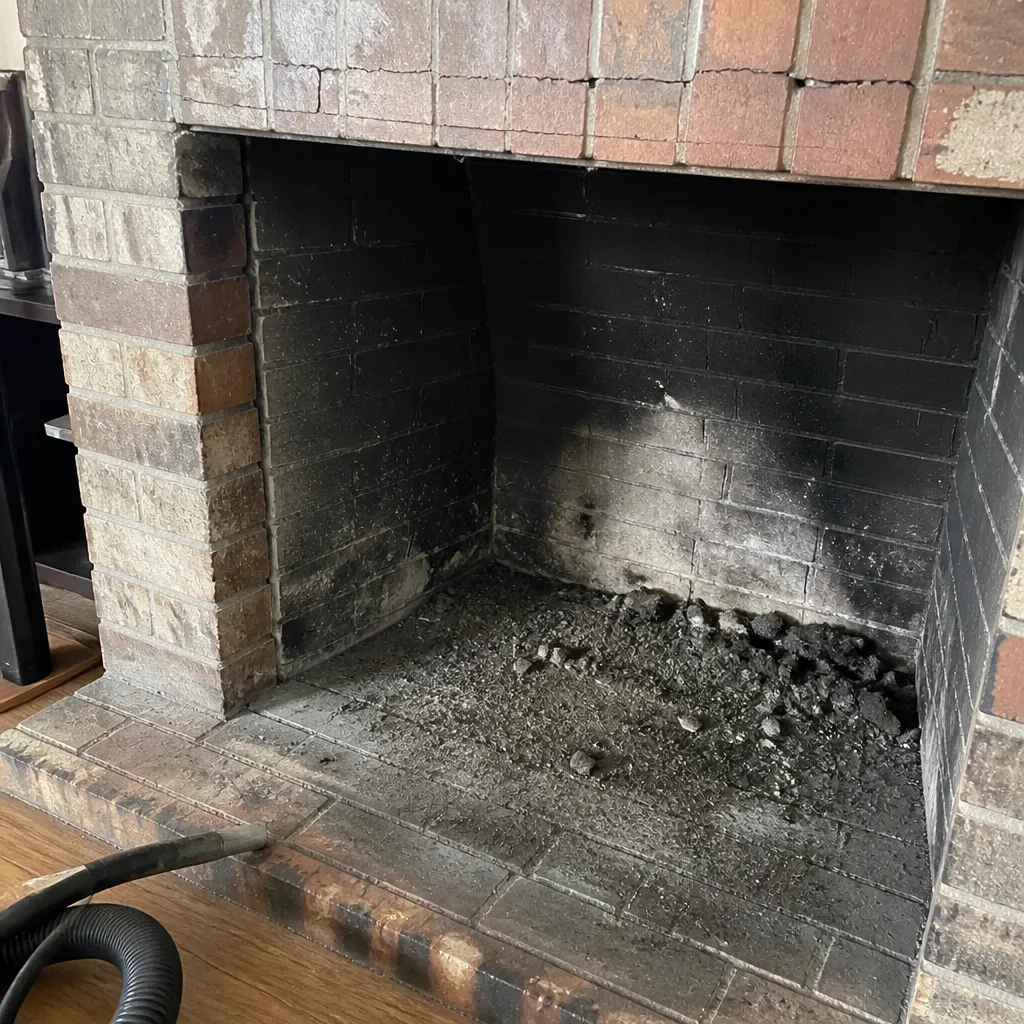 Before
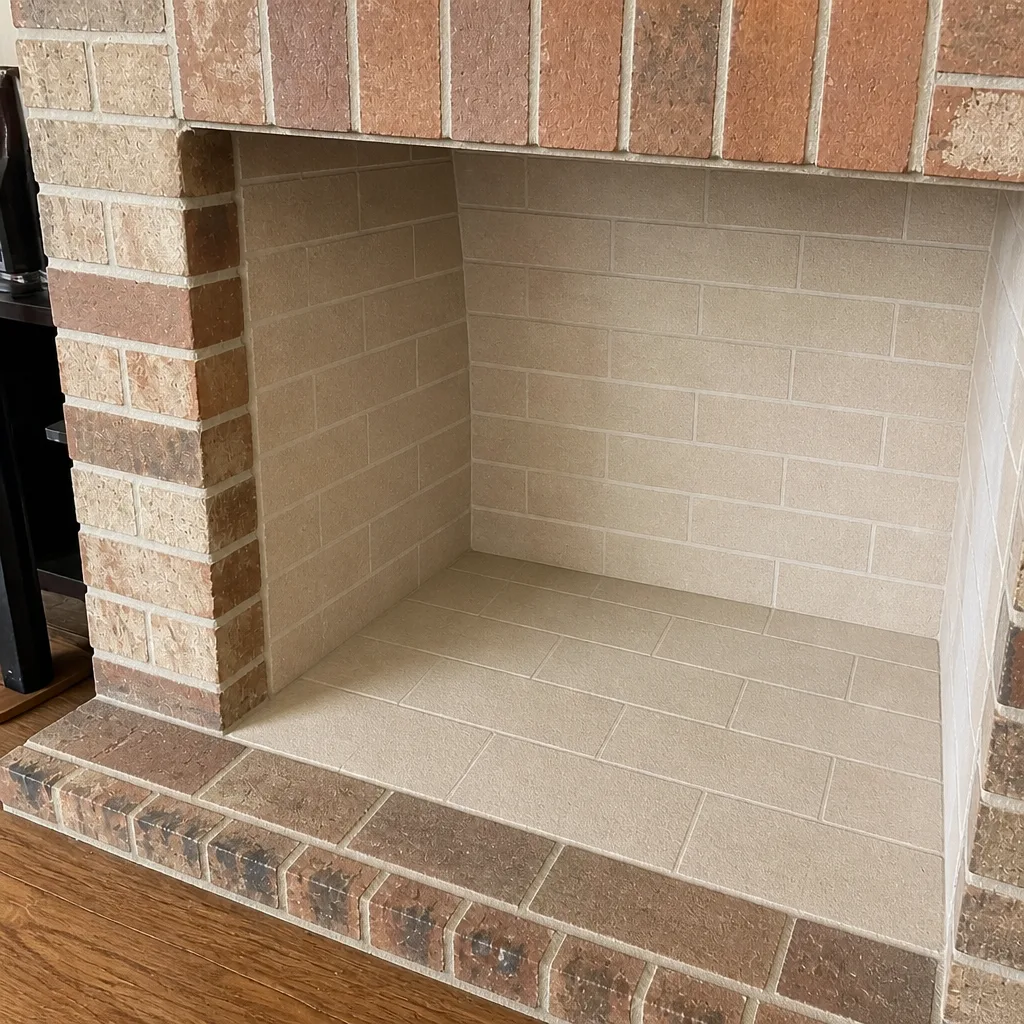 After
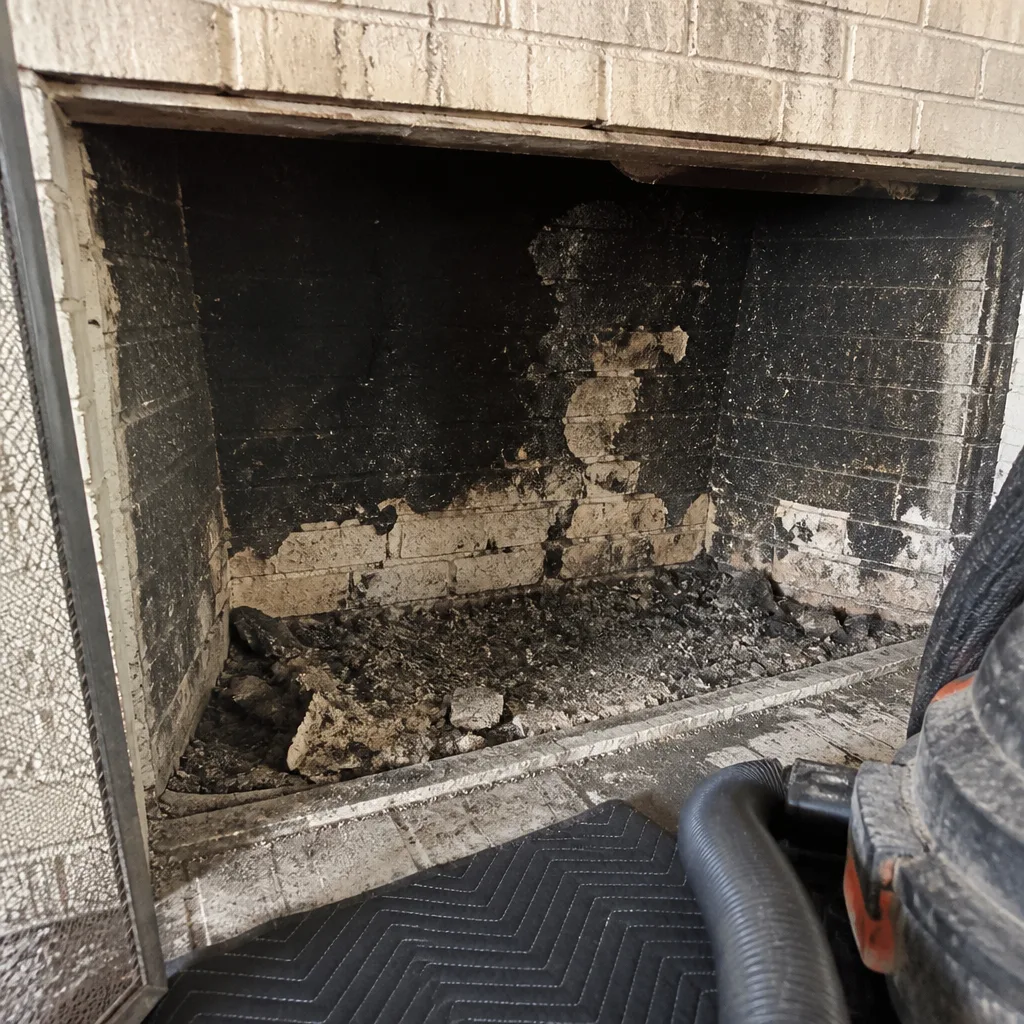 Before
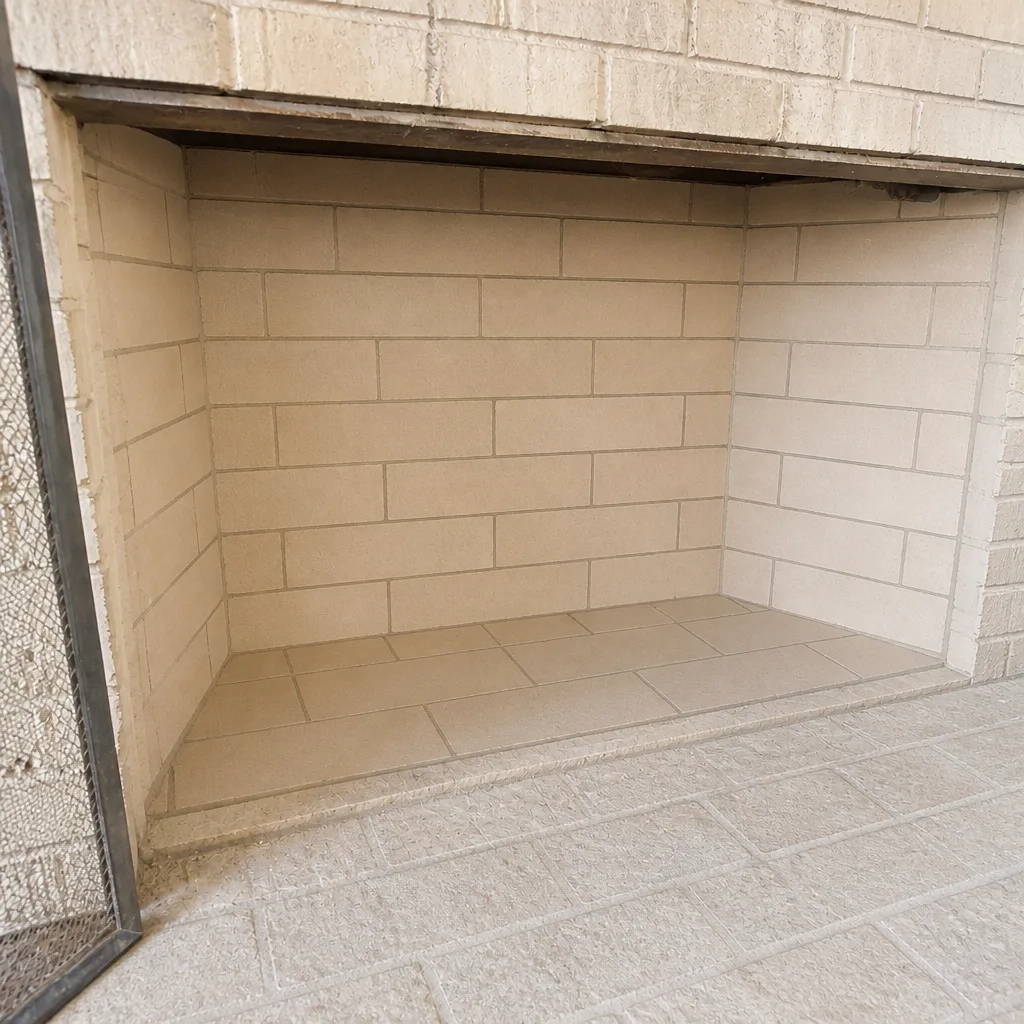 After
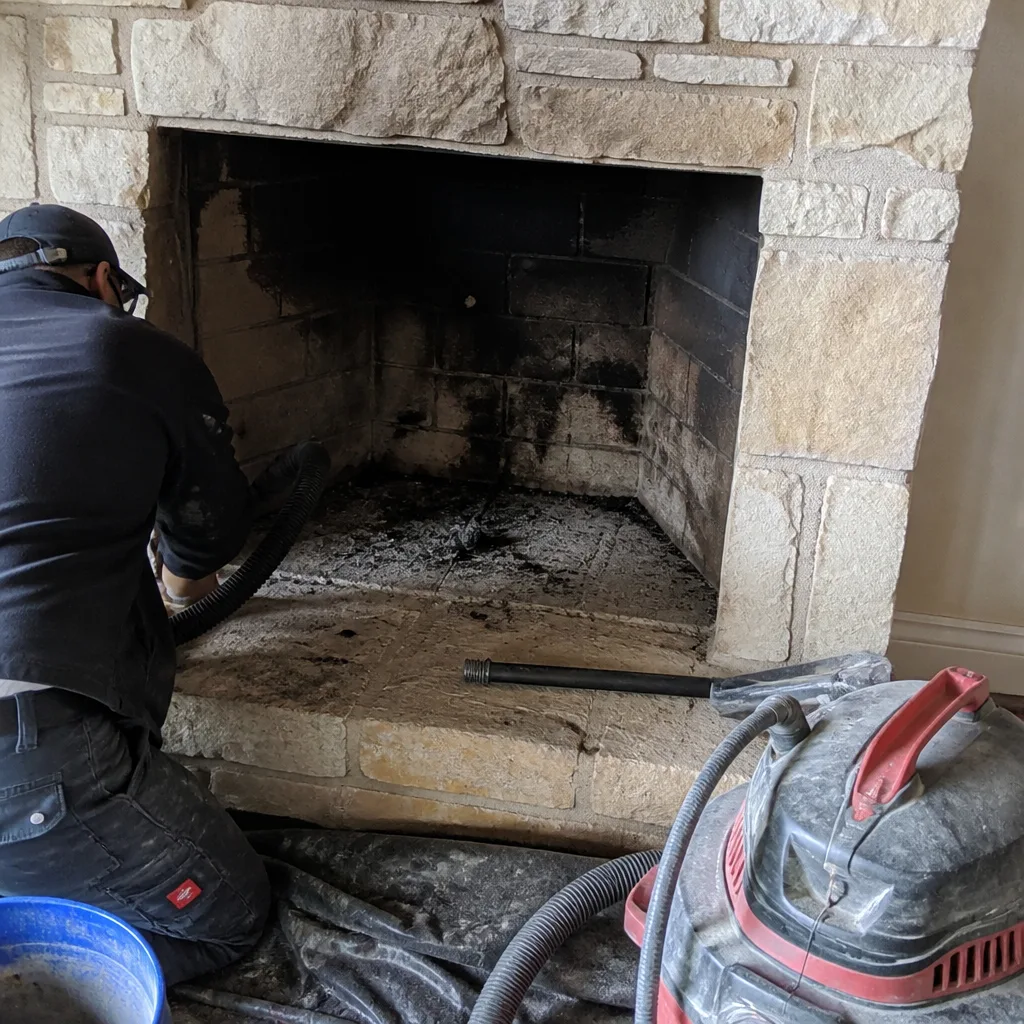 Before
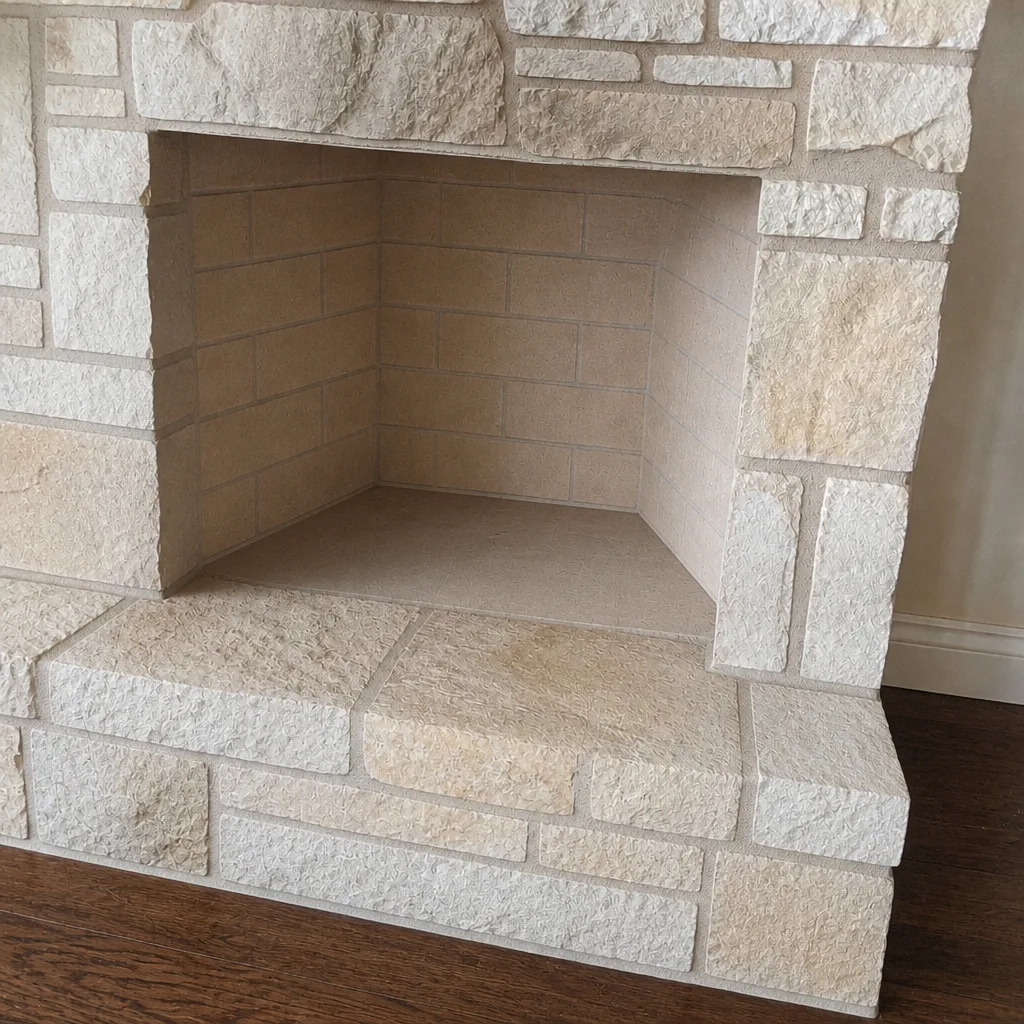 After
The Bottom Line
Hiring a chimney contractor in White Rock comes down to four checks: certification, materials, written estimate, and insurance. Certifications like CSIA and NFI verify technical knowledge. Professional-grade product lines like DuraFlex, Olympia Chimney, Famco, and Copperfield verify that the company can source the right repair material. A written estimate with photos verifies that the scope is real. And insurance coverage for chimney work verifies that you’re not carrying the risk. The questions are simple, but they change the outcome. A specialist welcomes them, and a generalist struggles with them.
If the chimney needs more than a cleaning, a chimney cap & crown inspection and a fireplace repair visit can be handled in the same trip, and we’ll quote any structural repair separately with materials specified.
Get a Free Estimate
Ready to book a sweep or a full-system inspection? Chimney Sweep White Rock handles the full chimney system, from the firebox to the crown. We work with six professional product lines and offer a free estimate before any work is booked. Call (844) 877-7238. We answer 24/7. Fast dispatch from 7am to 7pm, Sunday through Friday.
Written by the team at Chimney Sweep White Rock.